Houston, prepare for the inevitable return of mosquito season! These tiny, persistent pests can quickly take the fun out of outdoor activities with one bite. However, armed with knowledge and proactiv...
ABC Home and Commercial Services Houston, TX
In the fast-paced urban landscape of Houston, the ever-growing need for high-quality residential and commercial services is noticeable. Homeowners are not just looking for a visually appealing living space but also a haven free from the annoyance and potential danger of pests. Whether it's ants in the kitchen, termites in the woodwork, or mosquitoes in the yard, ABC home and commercial services like pest control are crucial for maintaining a comfortable, safe, and healthy home environment.

Get Started
We offer a full range of home and commercial services.

Customer Portal
Log in to manage your account or pay your bill online.
Superior High-Quality Home & Commercial Services
Why deal with multiple service providers when ABC can do it all?
 Landscaper Service
Landscaping designer, installation, construction, demolition, landscape lighting designer & tree service.
ABC Home And Commercial Locations
 Over Three Decades of Excellence in Houston’s Residential and Commercial Services
- Introduction: From a humble one-truck venture in 1965 to a sprawling enterprise with roots in Houston, Orlando, and beyond, ABC Home And Commercial Services has stood the test of time, offering impeccable home and commercial care services. Founded on the pillars of dedication, community, and quality, we’ve grown, adapted, and evolved, all while maintaining our core values.
- The ABC Difference: At the heart of ABC is a family. We are family-owned, community-focused, and wholly dedicated to the homes and businesses we serve. We credit our unmatched service quality to our devoted employees, whose dedication has sculpted our legacy since 1949.
- Meet Raleigh Jenkins: The Visionary Behind ABC Raleigh Jenkins isn’t just the President and CEO of ABC; he’s the heartbeat. Alongside his wife, Kim, he expanded ABC to Houston in 1986, bringing with him a legacy of excellence. His belief? To not only provide unmatched services but to genuinely care for the community. A fervent philanthropist, Raleigh’s contributions span from Haiti to Houston, touching lives and making a difference.
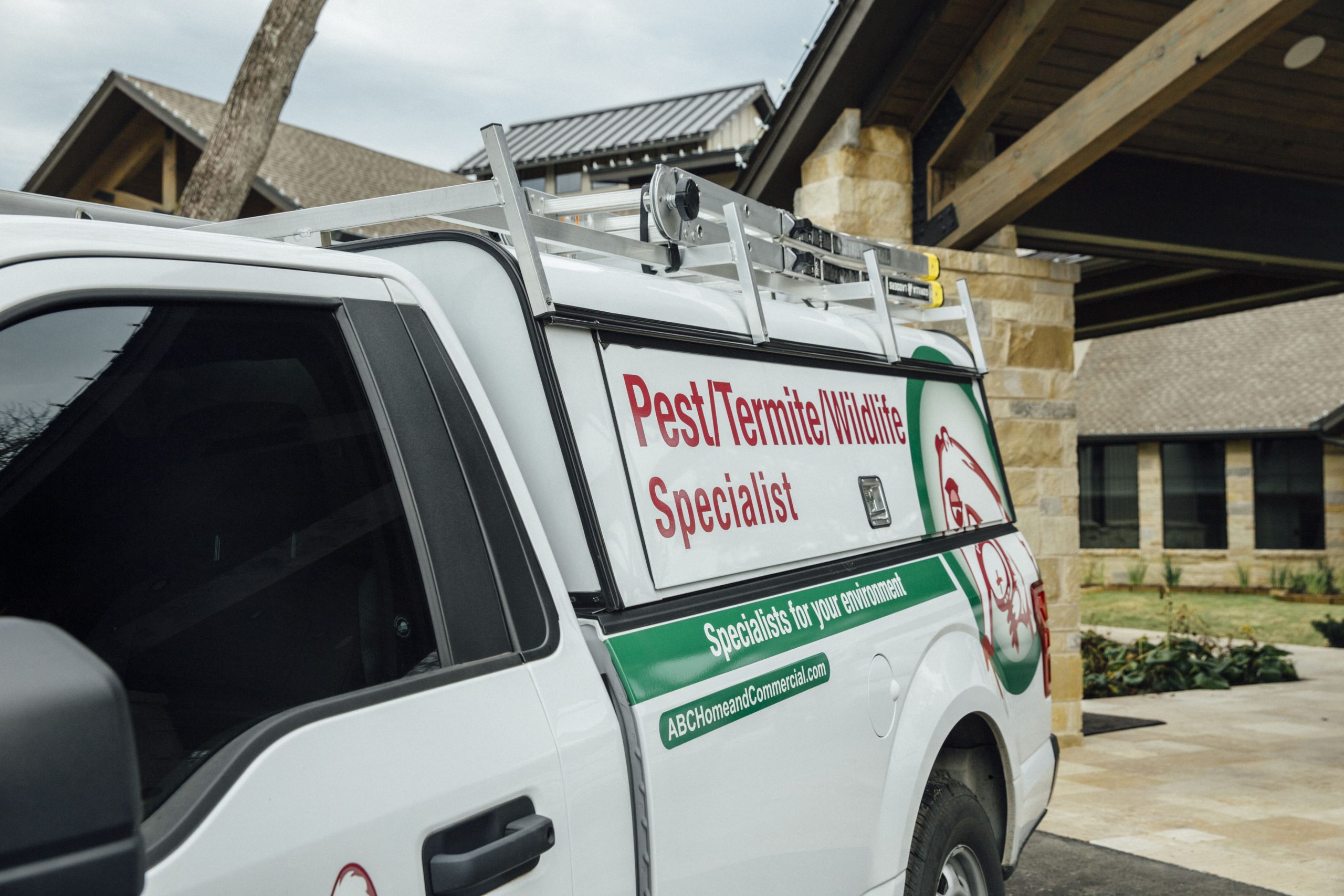
Houston Pest Inspection
Our pest inspection services in Houston are thorough and meticulous. Their trained professionals conduct a comprehensive assessment of your property, identifying potential pest issues and determining the most effective treatment strategies. This proactive approach helps prevent future infestations, safeguarding your property in the long term.
- Comprehensive On-Site Inspection
- Establishing Proper Identification of Infestation
- Identifying Potential Entry Points for Pests
- Precise Diagnosis and Treatment Recommendations
- Repair and Prevention Tips for Future Protection
- Long-Term Monitoring and Follow-Up Car
Houston Pest Treatments
Our pest treatments in Houston are tailored to meet your specific needs. They use a combination of proven methods and innovative technologies to eliminate pests and prevent them from returning. Their treatments are environmentally friendly and designed to cause minimal disruption, making ABC an excellent choice for both home and commercial pest control.
- Identifying Effective Treatment Solutions
- Focusing on Long-Term Prevention Strategies
- Incorporating Eco-Friendly Methods
- Investigating Safe and Effective Chemicals
- Assessing the Level of Infestation Before Beginning Treatment
- Following Proven Guidelines for Successful Results
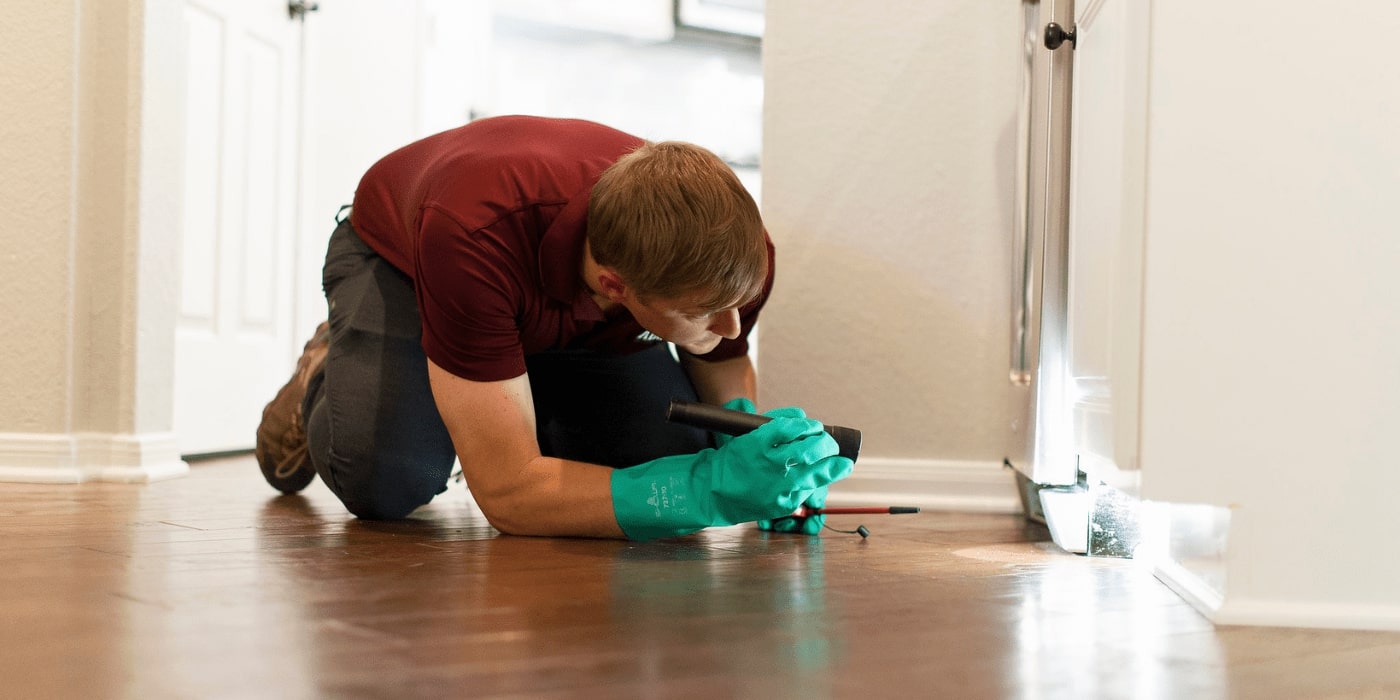
Houston Pest Control Services
We offer a broad spectrum of pest control services in Houston. Whether you're dealing with rodents, insects, or more complex pest issues, ABC has the expertise and resources to effectively address your concerns. Their approach combines advanced pest control techniques with a deep understanding of pest behavior, ensuring effective and long-lasting solutions. Whether you need pest control services for your home or commercial property, trust us to get the job done.
Houston Termite Control
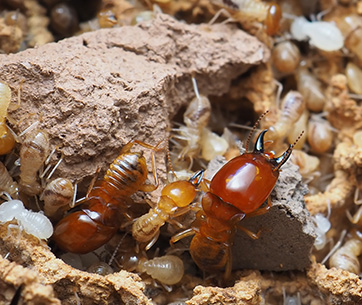
Termites often called silent destroyers, can cause extensive damage to your property without showing many signs until it’s too late. At ABC Home & Commercial, we combine years of experience with cutting-edge technology for effective termite control in Houston. Our comprehensive termite control services include an initial thorough inspection, customized treatment plans, and ongoing termite monitoring to prevent future infestations. We use environmentally friendly methods to protect your property from these wood-destroying pests.
Learn More
Houston Mosquito Control
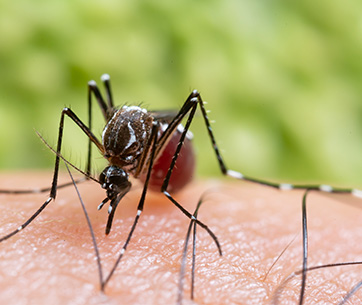
Mosquitoes aren’t just annoying; they can also be dangerous carriers of diseases. At ABC Home & Commercial, we offer comprehensive mosquito control services designed to significantly reduce the mosquito population around your property. We identify and treat breeding sites, use larvicide applications, and offer regular adult mosquito treatments. Our experts are well-versed in the habits and life cycles of mosquitoes, enabling us to provide you with the most effective solutions.
Learn More
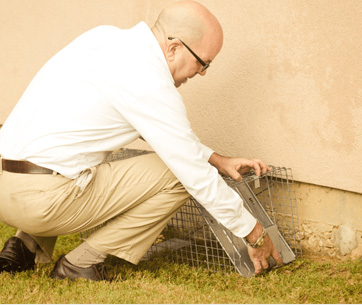
Houston Rodent & Wildlife Control
Rodents and wildlife can pose significant threats to your property and health. Our rodent and wildlife control services are designed to effectively handle these issues. Our team is experienced in dealing with various species common to Houston, such as rats, raccoons, squirrels, and possums. We use humane removal techniques and preventative strategies to ensure these unwelcome guests don’t return.
Learn More
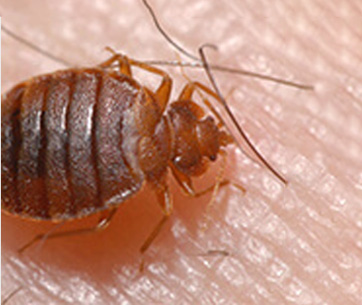
Houston Bed Bug Exterminator
Bed bugs are notorious for their rapid reproduction and resistance to traditional pesticides. Our bed bug extermination services are designed to completely eliminate these pests from your property. We employ heat treatments, targeted chemical applications, and meticulous follow-up inspections to ensure your space is bed bug-free. We also offer education on prevention methods to help keep your space clear of bed bugs in the future.
Learn More
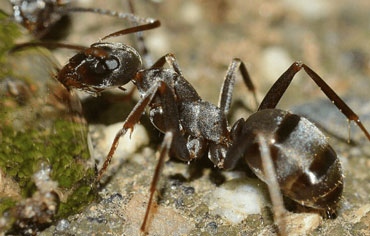
Houston Ant Control
Ants, though small, can pose big problems when they invade your property. From damaging your property to contaminating your food, ants can be a nuisance. Our ant control services focus on identifying the species, treating the infestation at its source, and implementing preventive strategies to keep ants away indefinitely.
Learn More
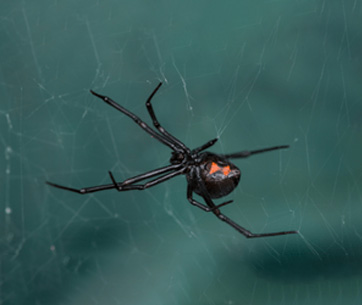
Houston Spider Control
Spiders, while beneficial for the ecosystem, can be a cause of concern when they infest human habitats. Our spider control services manage all types of spiders found in Houston. Our experts will conduct a thorough inspection, identify the species, devise a customized treatment plan, and provide ongoing monitoring to ensure your home remains spider-free.
Learn More
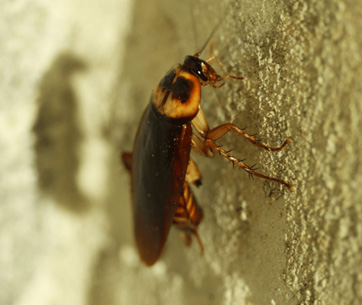
Houston Cockroach Exterminator
Cockroaches are among the most resilient pests that can infest your property. Our cockroach extermination services are designed to implement an integrated pest management approach. This includes identifying the species, inspecting the infestation, treating the affected areas, and providing preventive measures to keep your property roach-free.
Learn More
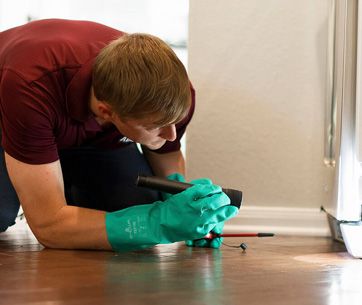
Houston Tick & Flea Control
Ticks and fleas can be a menace, especially if you have pets. Our tick and flea control services are designed to protect your family and pets from these pests. We employ targeted treatments, preventive strategies, and provide you with the necessary knowledge to keep these pests at bay.
Learn More
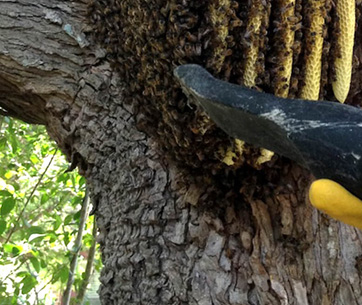
Houston Wasp & Bee Removal
Wasps and bees, while crucial for the environment, can be a threat if they nest near your living spaces. Our professional wasp and bee removal services are designed to safely remove these insects from your property without causing harm to the insects or your family.
Learn More

Houston Pre-Construction Termite Control
Protect your new construction from potential termite damage with our pre-construction termite control services. We work closely with builders and contractors to apply preventive treatments during the construction phase. This proactive approach ensures your new building is protected from termites from day one.
Learn More
Houston Pest Control FAQ
Answers to Your Most Common Questions
What common pests are found in both commercial and residential properties in Houston, and how are they treated?
In Houston, ants, roaches, rodents, termites, and mosquitoes are common in both commercial and residential areas. Pest control companies like ABC employ a combination of inspection, targeted treatment, and prevention strategies, using environmentally friendly products to address these issues specifically.
Are the same pest control methods used in both residential and commercial properties?
While the principles of pest control are similar, treatment plans may differ based on the unique needs of commercial and residential spaces. Professionals will assess the specific situation and customize treatment accordingly, considering factors such as the type of property, size, and the nature of the pest infestation.
How often should I schedule regular pest control maintenance for my home or business in Houston?
Regular maintenance varies depending on the property type and the pests common to your area. Generally, residential properties may require seasonal visits, while commercial properties might need monthly or quarterly services. Consultation with a pest control professional will provide the best schedule for your particular needs.
Can I receive a free estimate for pest control services for my home or business in Houston?
Most reputable pest control companies in Houston, such as ABC, offer free, no-obligation estimates. They will typically conduct an on-site inspection to understand the extent of the infestation and provide an accurate quote based on your residential or commercial needs.
Are the chemicals used for pest control safe for my family, pets, or employees in both commercial and residential settings?
Safety is a top priority for professional pest control companies. Many use products that are EPA-approved and follow guidelines that ensure safety for humans and pets. It’s always advisable to discuss any specific concerns or requirements with your pest control provider to ensure they are addressed in the treatment plan.
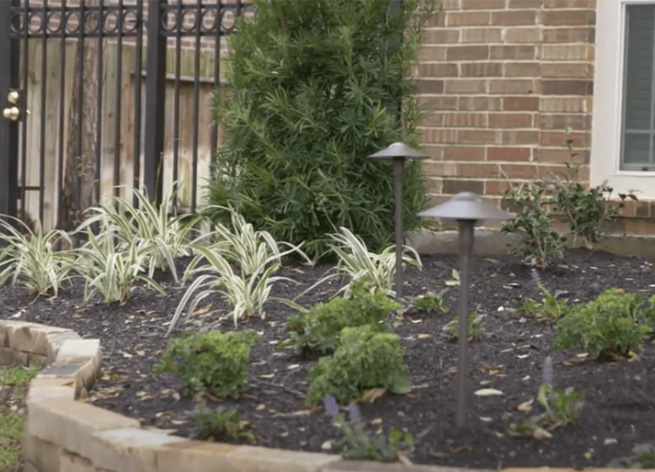
Houston Residential and Commercial Landscapers
We take pride in our seasoned expertise in exterminator pest & rodent control, lawn & tree care, landscaping, exterior cleaning, and holiday & event lighting services. Our commitment is to create beautiful, functional outdoor spaces that meet the unique needs of each client. Our team of dedicated professionals combine their extensive experience and creativity to deliver exceptional results, making us the go-to landscaper in Houston.
Our comprehensive residential and commercial landscaping services are designed to transform your property into a stunning visual masterpiece. Our services range from landscape design and installation to maintenance and demolition.

Houston Landscape Design
At ABC Home & Commercial, we offer unrivaled Houston landscape design services. Our professional designers collaborate with you to capture your vision and translate it into a tangible design. We focus on creating designs that not only enhance the beauty of your property, but also increase its functionality and value. Whether you have a residential or commercial property, our designs will transform your outdoor space into a charming haven that you’ll love.
Learn More

Houston Sprinkler System Repair
A well-functioning sprinkler system is crucial for maintaining a lush and vibrant landscape. We provide top-notch Houston sprinkler system repair services that range from minor fixes to major system overhauls. Our team of experts are trained to diagnose and repair any issues promptly and efficiently, ensuring your irrigation system operates at its best throughout the year. Trust us to keep your landscape hydrated and flourishing.
Learn More
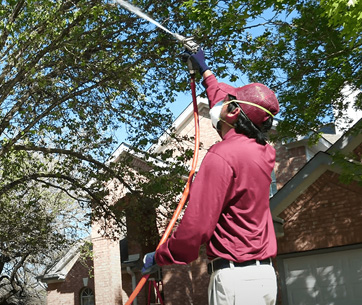
Houston Tree Fertilization, Trimming & Removal
Trees are an integral part of any landscape, contributing significantly to its aesthetics and environmental quality. We offer expert tree fertilization, trimming, and removal services in Houston. Our certified arborists use the latest techniques and state-of-the-art equipment to ensure your trees are healthy, safe, and aesthetically pleasing. We understand the science behind tree care and are committed to preserving the health and longevity of your trees.
Learn More
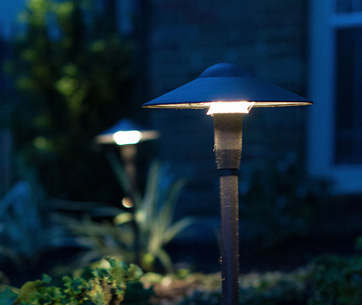
Houston Landscape Lighting Designer
Illuminate your outdoor space with our professional Houston landscape lighting designer services. We specialize in creating visually appealing lighting effects that highlight the beauty of your landscape while providing a warm, inviting ambiance. Whether it’s for a holiday, an event, or everyday use, our lighting designs are sure to impress. Let us transform your outdoor space into a breathtaking spectacle after sunset.
Learn More
Houston Landscaper FAQ
Answers to Your Most Common Questions
What types of landscaping services are offered for commercial and residential properties in Houston?
In Houston, landscaping companies offer a wide range of services for both commercial and residential properties. These include garden design, lawn maintenance, tree and shrub care, irrigation system installation and repair, hardscaping, outdoor lighting, seasonal clean-up, and more. Services can be tailored to meet the specific needs and preferences of the property owner.
How often should I schedule regular lawn maintenance for my home or business in Houston?
Regular maintenance schedules can vary based on the type of landscape and specific needs of the property. For residential lawns, weekly or bi-weekly maintenance may be ideal, while commercial properties might require more frequent visits. Seasonal factors, plant types, and personal preferences will influence the schedule, and a consultation with a professional landscaper will help determine the optimal frequency.
Are eco-friendly landscaping solutions available for commercial and residential properties in Houston?
Many landscaping companies in Houston offer eco-friendly solutions that prioritize sustainability. These services may include organic lawn care, drought-resistant landscaping, native plant selection, and energy-efficient irrigation systems. It’s advisable to discuss your environmental concerns with your landscaper to ensure they can accommodate your specific needs.
How much does it cost to hire a professional landscaper for my residential or commercial property in Houston?
The cost of hiring a professional landscaper in Houston varies widely based on the type of service, size of the property, complexity of the design, and other factors. Many companies provide free on-site estimates, allowing you to get a detailed quote tailored to your particular project. Regular maintenance contracts may also be available at different price points.
How can I ensure that the landscaping company I choose in Houston is qualified to handle my commercial or residential project?
When selecting a landscaping company in Houston, look for credentials such as licensing, insurance, and professional affiliations. Reading online reviews, asking for references, and viewing portfolios of previous work can provide insight into the quality and reliability of their services. Don’t hesitate to ask questions about their experience with similar projects and their approach to customer satisfaction.
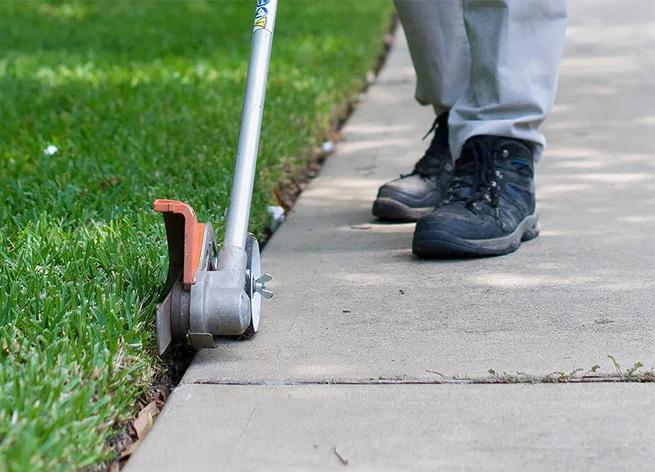
Houston Lawn Care Services We Offer
We are proud to offer a comprehensive range of lawn care services in Houston. Our team of experienced professionals specialize in everything from basic lawn maintenance to complex landscaping projects. With our commitment to quality and customer satisfaction, we provide top-notch home services, exterminator pest & rodent control, lawn & tree care, landscaping, pool & spa, exterior cleaning, and holiday & event lighting.
- Eliminating Weeds in Your Lawn
- Dealing with Thatch Accumulation
- The Benefits of Aeration
- Rejuvenating Your Yard with Reseeding and Overseeding
- Proper Mowing Habits
- Wise Watering and Fertilization Practices
- Adding Mulch to Enhance Your Lawn’s Health
- Calling in Professional Assistance

Get Started
We offer a full range of home and commercial services.
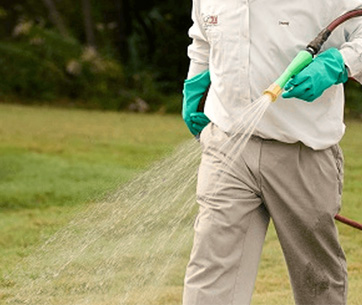
Houston Lawn Fertilization
A healthy, lush lawn is the result of regular and effective fertilization. At ABC Home & Commercial, we offer professional Houston lawn fertilization services designed to keep your lawn looking its best all year round. Our expert team uses high-quality fertilizers and proven techniques to ensure your lawn receives the nutrients it needs to thrive.
Learn More

Houston Lawn Mowing
Consistent and proper lawn mowing is crucial for maintaining a beautiful lawn. Our Houston lawn mowing services are designed to keep your lawn neat, healthy, and attractive. We use state-of-the-art equipment and follow best mowing practices to promote healthy growth and prevent damage to your lawn.
Learn More
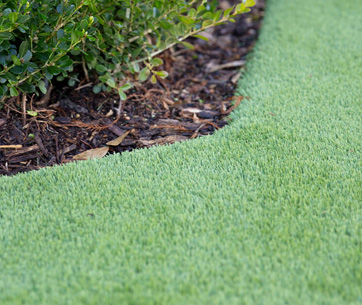
Houston Artificial Turf Installation
Looking for a low-maintenance lawn solution? Consider our Houston artificial turf installation services. Artificial turf offers the beauty of a natural lawn without the constant upkeep. Our team of experts can install high-quality artificial turf that will transform your outdoor space and save you time on maintenance.
Learn More
Houston Lawn Care Services FAQ
Answers to Your Most Common Questions
What types of lawn care services are available for commercial and residential properties in Houston?
Lawn care services in Houston for both commercial and residential properties typically include mowing, edging, fertilization, weed control, aeration, irrigation management, pest control, and seasonal clean-up. Customized plans can be created based on specific lawn needs and preferences.
How do the hot and humid Houston climate affect lawn care for my home or business?
Houston’s hot and humid climate can pose unique challenges to lawn care, such as increased weed growth, insect infestations, and potential for disease. A professional lawn care service will consider the local climate and recommend appropriate care routines, grass types, watering schedules, and pest control to maintain a healthy and lush lawn all year round.
How frequently should I have lawn care services for my residential or commercial property in Houston?
The frequency of lawn care services in Houston can vary based on factors such as grass type, property usage, and specific lawn requirements. Residential lawns often need weekly or bi-weekly care, while commercial properties might require more frequent attention. Consultation with a professional lawn care provider can help determine the best schedule for your property.
Are environmentally friendly lawn care options available for residential and commercial properties in Houston?
Many lawn care providers in Houston offer environmentally friendly options that focus on sustainability and reduced chemical usage. These may include organic fertilization, integrated pest management, and water-conserving irrigation techniques. Discussing your specific interests and concerns with your lawn care provider will ensure they can meet your green requirements.
What should I look for when hiring a lawn care company for my commercial or residential property in Houston?
When hiring a lawn care company in Houston, consider factors like licensing, insurance, experience, and reputation. Ask for references, read online reviews, and inquire about their knowledge of local lawn challenges due to Houston’s climate. Obtaining detailed quotes and understanding the services included in the package will help you make an informed decision.
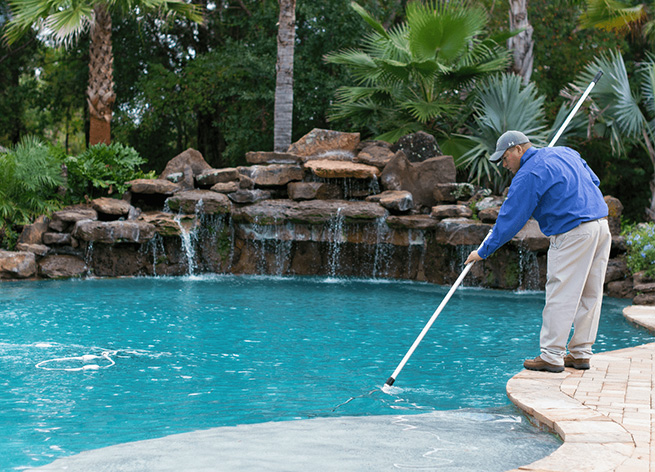
Houston Swimming Pool & Hot Tub Contractor
ABC Home & Commercial is your trusted swimming pool and hot tub contractor in Houston. Our team of experienced professionals specialize in a wide range of services, including residential and commercial landscaping, design installation, demolition, maintenance, and more. We are committed to providing quality home services, exterminator pest & rodent control, lawn & tree care, landscaping, pool & spa, exterior cleaning, and holiday & event lighting.
Pool remodeling updates ABC offers:
- Heaters
- New tile
- Energy-efficient equipment
- LED lighting and ladders
- Heaters
- New tile
- Energy-efficient equipment
- LED lighting and ladders
Houston Swimming Pool Contractor: Remodeling
We offer expert swimming pool remodeling services. Whether you’re looking to update the look of your pool with new tile, improve its energy efficiency with new equipment, or enhance its ambience with LED lighting and ladders, our team can make it happen.
Learn More

Houston Swimming Pool Repair: Plastering & Resurfacing
Maintaining the integrity of your swimming pool is crucial. Our Houston swimming pool repair services include plastering and resurfacing to ensure your pool remains safe and enjoyable. We use quality materials and proven techniques to deliver exceptional results.
Learn More
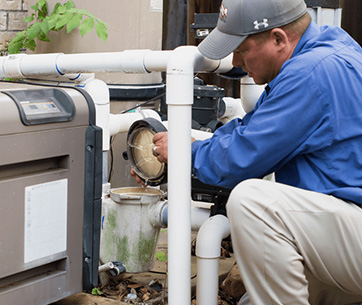
Houston Hot Tub Repair:
A well-functioning hot tub can be the centerpiece of relaxation in your home. If your hot tub needs repair, our Houston hot tub repair services have got you covered. From fixing heaters to replacing tiles, we can handle all types of hot tub repairs.
Learn More

Houston Swimming Pool Cleaning
Keeping your swimming pool clean is essential for its longevity and your health. Our Houston swimming pool cleaning services are designed to keep your pool sparkling clean and inviting. We use the latest equipment and eco-friendly cleaning products to deliver superior results.
Learn More
Houston Pool & Spa FAQ
Answers to Your Most Common Questions
What types of maintenance services are offered for commercial and residential pools and hot tubs in Houston?
Pool and hot tub maintenance services in Houston typically include cleaning, chemical balancing, equipment inspection, leak detection, repairs, and seasonal opening and closing. Commercial services may also encompass compliance with health and safety regulations.
How often should I schedule regular maintenance for my pool or hot tub in Houston?
Regular maintenance can vary depending on usage and the type of pool or hot tub. Residential pools usually require weekly or bi-weekly cleaning and chemical balancing, while commercial pools might need more frequent attention. Consultation with a professional pool service will help determine the ideal schedule for your specific needs.
What considerations are specific to Houston's climate for pool and hot tub care?
Houston’s hot and humid climate can lead to faster algae growth and affect water chemistry. A professional service will understand the local weather conditions and recommend appropriate care routines, including proper chemical balances and filtration, to keep your pool or hot tub clean and safe.
Are there eco-friendly options for pool and hot tub maintenance in Houston?
Many service providers offer environmentally friendly options for pool and hot tub care in Houston. These might include saltwater conversion, energy-efficient equipment, and natural cleaning solutions. Discussing your preferences with your service provider will ensure they meet your environmental considerations.
How do I choose the right company for pool and hot tub services for my commercial or residential property in Houston?
When selecting a pool and hot tub service company in Houston, it’s essential to look for qualifications such as licensing, insurance, and certifications. Consider their experience with commercial or residential properties, read online reviews, and ask for references. Getting a detailed estimate and understanding all the services included will also help you make an informed decision.

Houston Holiday & Event Lighting
We understand that the right lighting can set the mood and elevate any event, be it a holiday celebration or a private gathering. Our team of lighting experts are skilled at creating enchanting atmospheres that'll make your event unforgettable.
We offer a wide range of lighting options to suit your specific needs. From twinkling fairy lights for a magical holiday setting to sophisticated LED setups for a corporate event, we have you covered. Our commitment to quality ensures we use only the best and most reliable lighting equipment.
Our service doesn't stop at just setting up the lights. We also provide maintenance and removal services, allowing you to focus on enjoying the event. Trust ABC Home & Commercial to brighten up your holidays and events in Houston.
- For Holiday and Event Lighting, consider the following
- Determining Size and Quantity of Lights Needed
- Installing Appropriate Power Sources and Switches
- Setting Up Wiring or Mounting Surface
- Hanging Lights and Decorations in Desired Locations
- Testing to Make Sure Everything is Working Correctly
- Ensuring Safety Measures Are in Place
- Scheduling Regular Maintenance Checks
Holiday Lighting FAQ
What types of holiday lighting services are available for commercial and residential properties in Houston?
Holiday lighting services in Houston may include customized design, installation, maintenance, removal, and storage of various lighting displays. From simple string lights to complex themed decorations, providers can cater to individual preferences and building requirements.
Can I have a custom holiday lighting design created for my home or business in Houston?
Yes, many holiday lighting service providers in Houston offer custom design consultations. Whether you have a specific theme in mind or need creative guidance, professionals can work with you to create a unique lighting display that reflects your style and fits your budget.
How early should I schedule holiday lighting installation for my commercial or residential property in Houston?
It’s advisable to schedule your holiday lighting installation well in advance of the holiday season, especially for more complex or large-scale projects. Many people begin planning as early as late summer or early fall to ensure availability and ample time for design and installation.
Is there ongoing maintenance available for holiday lighting in Houston, and what does it typically include?
Yes, many holiday lighting service providers in Houston offer ongoing maintenance throughout the holiday season. This can include regular inspections to ensure all lights are functioning, replacements for any burned-out bulbs, and adjustments to the display as needed. The exact services may vary by provider, so it’s essential to clarify what’s included in your package.
What happens to the holiday lights after the season ends? Can they be reused?
Many holiday lighting companies in Houston provide removal and storage services. If the lights are owned by the service provider, they will typically take them down and store them for future use. If you own the lights, you can choose to have them taken down and stored by the provider or handle the removal and storage yourself. Proper handling and storage will allow the lights to be reused in subsequent years.
Get Started
We offer a full range of home and commercial services.
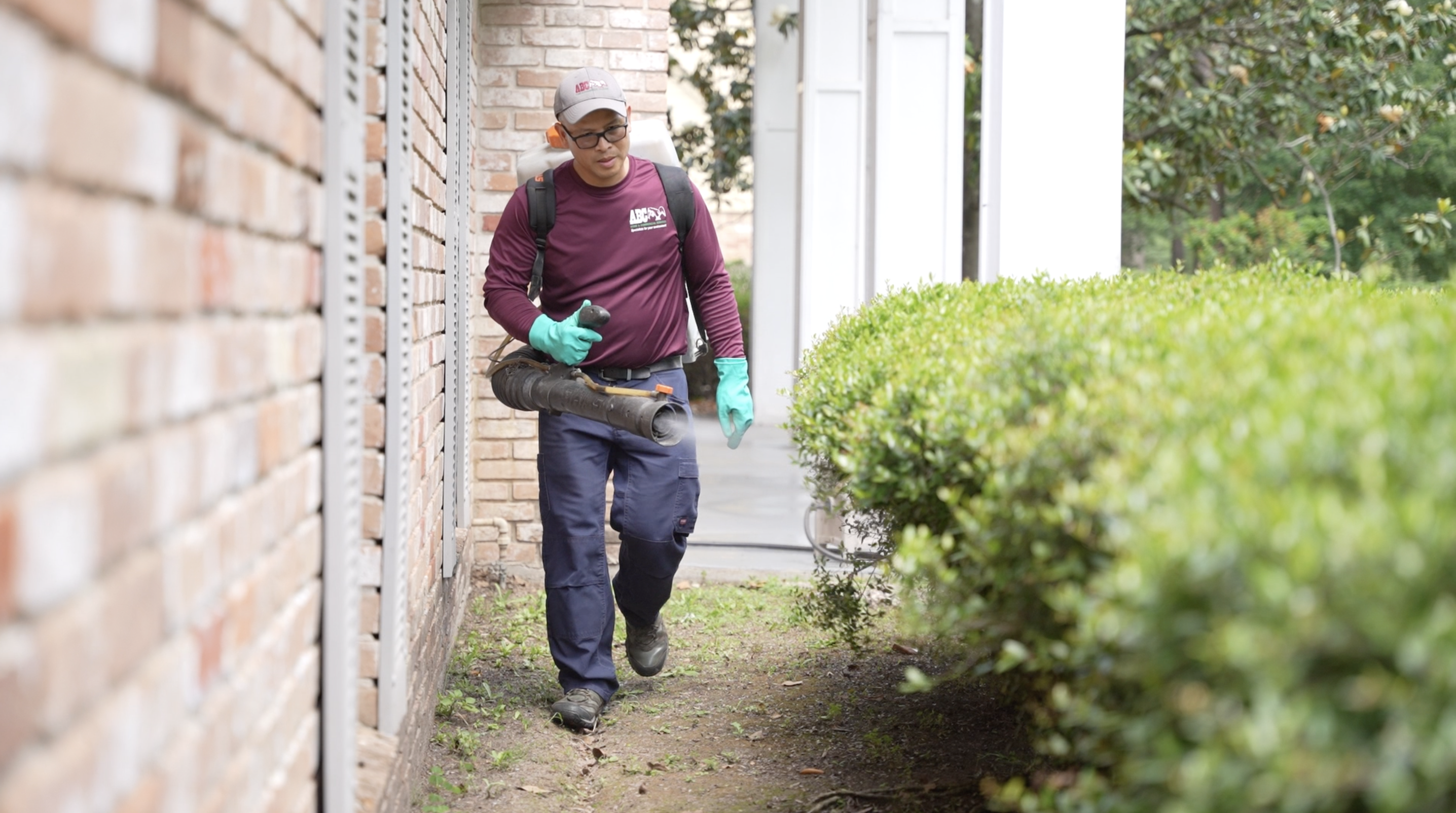
Navigating Mosquito Season: Insights and Strategies for Houston Residents
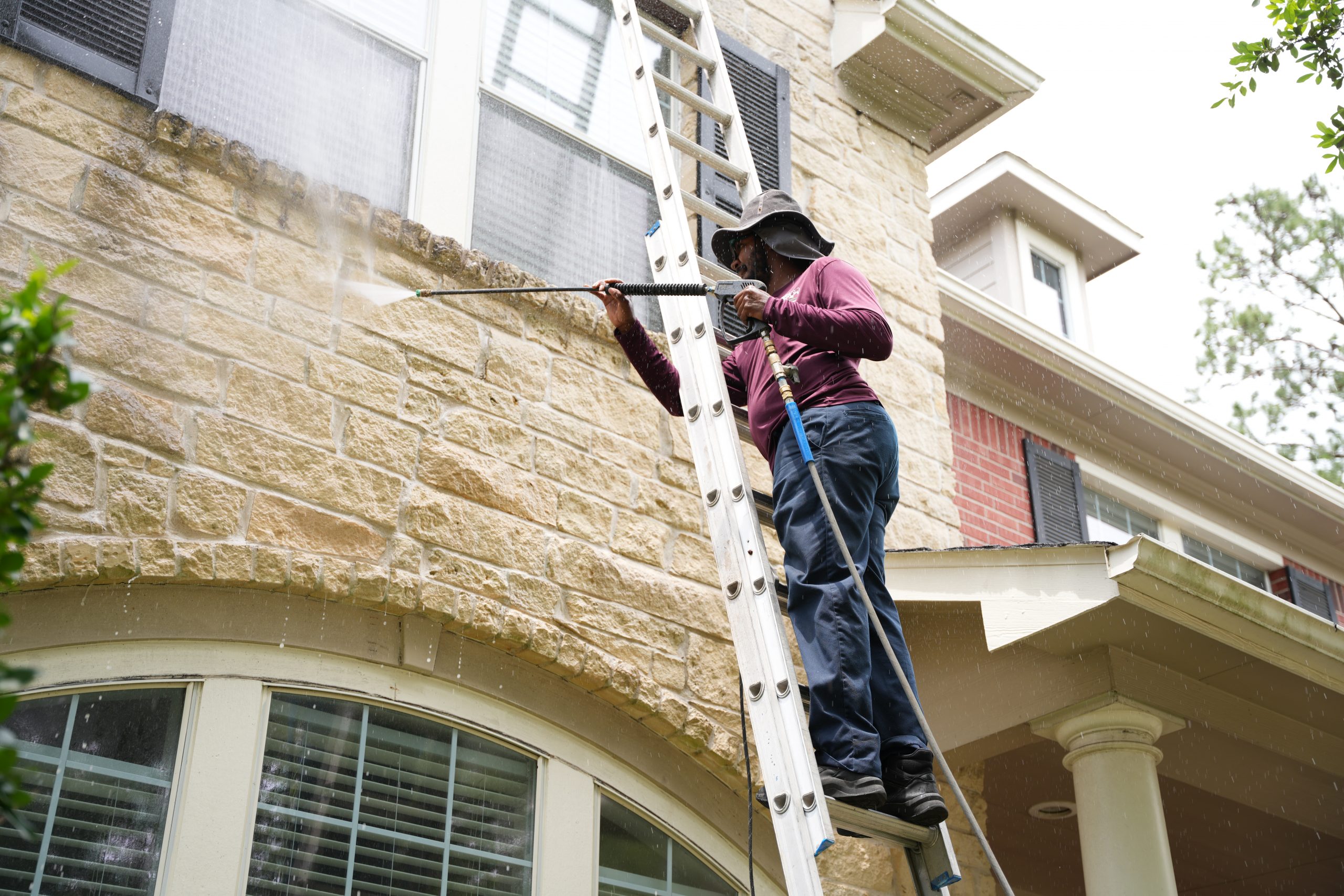
A Comprehensive Guide to Home Maintenance
Hello, Houston homeowners! Have you ever found yourself pondering the best ways to keep your abode shining, especially when the rain decides to make an appearance? Well, you’re in for a treat! T...

ABC Gives Back to the Communities it Serves
We are family owned and operated with decades of history in the great state of Texas and dedicated to helping the community through volunteer work.
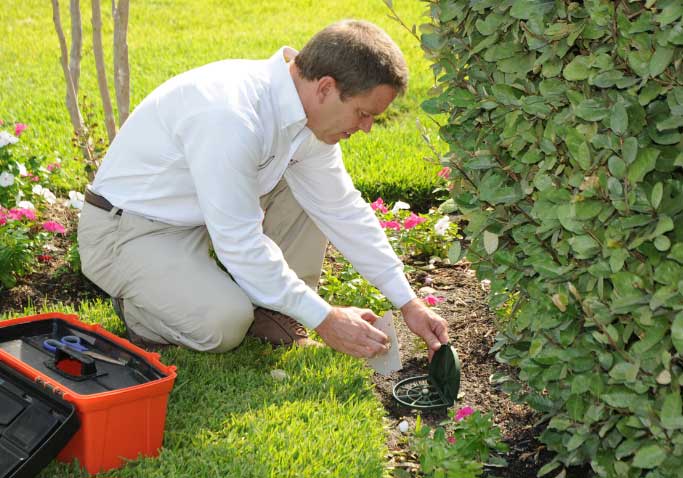
Join Our Team of Dedicated Professionals Today
Houston is growing and so are we. Start an exciting new career with a family-owned business offering competitive wages, 401(k), profit sharing and more.