Houston Lawn Care Service: Mowing & Fertilization
Although we all want a healthy and well-maintained yard, finding the time and energy to make that happen can be a challenge. Making sure you have the right equipment, braving the mosquitoes, unpredictable weather, and keeping up a regular schedule is a tall order when you are juggling many other priorities. ABC offers a complete package of Houston lawn care services, as well as routine maintenance, so you can maximize your curb appeal while leaving the work to our knowledgeable and dependable staff.
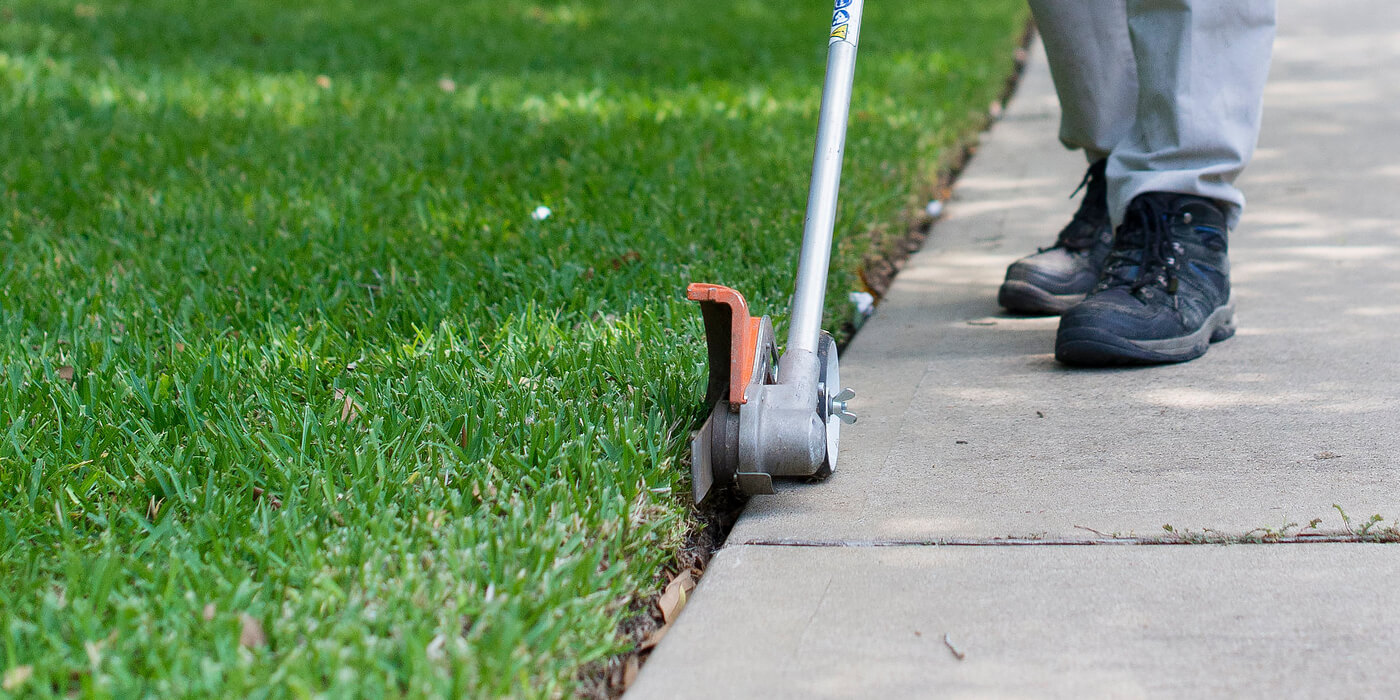
Comprehensive Lawn & Tree Services
Fertilizer is important, but it's hard to figure out when to use it and how much to apply. We can make sure your yard gets the nutrients it needs.

A lush lawn boosts your home's curb appeal. Our lawn maintenance experts help you keep your grass green all season long.
Looking for a low maintenance alternative to your lawn? We can help with artificial turf installations so you can enjoy a green lawn all year long.
Lawn Fertilization
Knowing when and how to fertilize your lawn can seem overwhelming if you’re not sure where to start. Our trained specialists take great care in making sure your lawn is prepped and ready for each season and even work to set up a customized fertilizing schedule that works for your needs.
Benefits of regular lawn fertilization:
- Promotes overall grass growth
- Healthy lawns keep pests away
- Reduces amount of weeds
- Protects soil by locking in nutrients
- Improved disease resistance
Consult with our lawn care team today to get an itemized estimate…It’s free.
Lawn Maintenance
Creating a consistent lawn care schedule is key in keeping your grass green all season long. With the inconsistency of Houston weather, though, it can be difficult to stay on top of it. Our experts at ABC can take care of your lawn maintenance needs so that you can enjoy its beauty.
Consistent lawn care helps your grass thrive:
- Regular watering schedule keeps your lawn looking green
- Mowing consistently gets rid of weaker grass shoots
- Constant care helps your lawn avoid dead patches
Discuss your lawn service needs with our team today to get a free estimate.
Sprinkler & Irrigation System Repair
Maintaining your sprinkler system is essential to keeping your grass green all season long. That’s why it’s important to address irrigation system repairs as soon as possible. Our irrigation specialists are able to diagnose any type of problem and advise you about next steps.
Signs it’s time to have your irrigation system checked out:
- Low or sunken sprinkler head
- Changes to water pressure or spray pattern
- Leaky water valves or sprinklers
- Malfunctioning control system
Talk with our irrigation repair team today to set up a free consultation.
Tree Services
We offer a wide-range of tree services to fit the needs of Houston homeowners and maintain curb-appeal. Trees are often a big job and require special tools and equipment. Let our tree experts at ABC take care of your big lawn care projects.
Proper tree care is essential… here’s why:
- Tree trimming and pruning promotes overall health by getting rid of dead branches.
- Prevents disease and pest infestation that could lead to weak tree limbs.
- Improves the overall structure of the tree to ensure growth.
- Increases sunlight exposure to landscape and air circulation throughout the tree.
- Removing damaged trees can protect your family from potential safety hazards.
- ABC’s Certified Arborists have the knowledge and expertise to get the job done right.
Schedule an appointment today to get a free, no-obligation estimate.
The ABC Process

Step 1: Contact ABC
We’ll learn what you need over the phone or during an in-person meeting at your home. Usually, we can schedule an appointment in a few business days.

Step 2: Get An Estimate
We’ll provide you with an estimate based on your goals and our recommended set of services. Once we get your approval, we will get you on the schedule.

Step 3: Service
Our trained specialists perform all agreed-upon services. When we’re done, we will clean up any debris to keep your yard neat and looking great.

Step 4: Follow-Up
Depending on what services we performed on your property, we’ll provide you with an update or recommend additional follow-up or ongoing services.
Frequently Asked Questions
Who will be taking care of my lawn?
We take lawn care very seriously at ABC Lawn Services Houston, so we only hire the best.
In addition to conducting thorough background checks on all of our employees, ABC draws upon the wealth of knowledge of our highly skilled staff, which includes master landscapers, entomologists, and yard professionals, to keep your outdoor living space healthy and well-maintained.
If you have had unreliable help with your lawn, you can trust that we will come when we say we will get the job done and get it done right.
Do I need to be at home when you are working on my lawn?
At ABC Home & Commercial Services, we not only care about your lawn, but we also care about the environment. During your free consultation, our lawn care experts will work with you to come up with solutions which help you reach your goals while minimizing the impact on the planet.
Houston Lawn Care Service Areas
ABC services many surrounding communities, including, but not limited to: