
Mice can technically carry rabies, but it’s extremely rare and they’re not known to transmit it to humans. Sealing entry points, removing food sources and reducing outdoor clutter are the best ways to keep mice out, and a professional inspection can catch what you might miss.
Rabies is a scary word, and if you’ve spotted a mouse in your Texas home, it’s natural to wonder whether it’s a risk. The short answer: mice can technically carry rabies, but it’s very rare. Public health authorities almost never document rabies infections in small rodents like mice.
That said, a low rabies risk doesn’t mean mice are harmless to have around. They bring plenty of other health and property concerns worth understanding, from spreading disease to chewing through wires and insulation.
For expert insight, we spoke with Manuel Ortiz, Certified Applicator and General Manager at ABC Home & Commercial Services. Manuel has maintained his certified applicator’s license in pest and termite control for over 23 years and has served on the NPMA’s Rodent/Wildlife Committee since 2023.
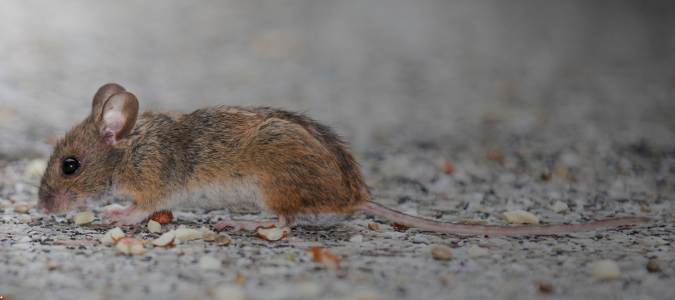
Can Mice Actually Carry Rabies?
Manuel Ortiz, Certified Applicator and General Manager at ABC Home & Commercial Services, says, “Mice are not known to transmit rabies.”
Rabies is a viral disease that can infect any type of mammal, so it is possible for mice to carry it, in theory. However, this doesn’t happen often. There are very few reports of mice and other small rodents carrying the disease.
Rabies is typically spread through bites and scratches from infected animals. Being a prey animal, any mouse that’s bitten by a rabid animal likely won’t live long enough to become infected and spread the disease.
Many homeowners mistake stumbling, being unusually bold or other strange behaviors as signs of rabid mice. However, these behaviors are more often due to poison exposure, neurological illness, dehydration or injury.
In general, other species pose much higher risks of carrying and spreading rabies in Texas than mice, with documented cases by public health agencies being very rare.
Common high-risk and low-risk rabies carriers include:
So do mice carry rabies when they enter Texas homes? While they technically can, avoiding contact with high-risk carriers is much more important when it comes to preventing the spread of rabies.
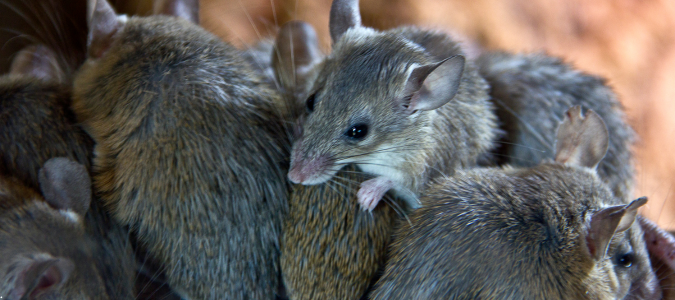
Should You Be Worried if a Mouse Bites You?
While rabies may not be a major concern, there are still potential health risks associated with mouse bites. If you are bitten by a mouse, make sure to follow these five steps:
- Wash the wound with soap and water right away
- Apply an antiseptic to the wound
- Contact a healthcare professional
- If possible without touching it directly, capture the mouse for potential testing
- Contact local public health authorities if recommended
The risk of rabies is low, but any mouse bite that breaks the skin can lead to bacterial infection. If you notice the bite becoming red, looking swollen or causing lasting pain, see a healthcare professional right away.
Even though mice don’t typically carry rabies, they do spread a variety of other diseases. This can happen through their droppings and urine. Some common examples include hantavirus, Salmonella and leptospirosis. That’s why you should avoid touching mice, their droppings or nesting materials, which can all be contaminated.
Why Rodent Infestations Are Still a Serious Problem in Texas
Rodent infestations are a widespread problem throughout Texas. The warm climate allows for year-round activity and breeding. Mice can quickly work their way into attics, where insulation provides ideal nesting materials.
You might find your insulation contaminated by mouse droppings and urine, and they can do the same to any food storage they get into.

Which Animals Commonly Carry Rabies in Texas?
While mice don’t commonly carry rabies in Texas, there are some animals that pose much higher risks. Bats, skunks, foxes and raccoons are all prime examples. These larger mammals are more likely to survive an encounter with another infected animal and live on to spread the disease.
These are also animals that people and their pets can encounter from time to time. They can take up residence in attics and sheds, or try to access garbage and other food sources. Any bites or scratches from these higher-risk animals will usually require a visit to a healthcare professional.
Here are some of the most common wild mammals you may run into in Texas and their relative rabies risk:
Rabies can be a real concern when coming into close contact with wildlife in Texas. However, mice are not common carriers and present an extremely low risk.

Why Mice in Your Home Are Still Cause for Concern
Manuel Ortiz explains why staying ahead of a mouse problem matters: “Mice can carry hantavirus, salmonella, leptospirosis, among many other diseases. It’s in our best interest to keep them out of your home and property.”
Mice may not pose a serious rabies risk, but you still don’t want them in your home. Once inside, they can breed rapidly, with colonies expanding throughout attics and walls.
Each individual mouse can leave behind dozens of droppings daily. They can contaminate the insulation they use for nesting, the food sources they access and the surfaces they travel over, potentially spreading disease.
Mice can also destroy insulation when nesting. They can chew on electrical wiring, potentially causing unseen fire hazards behind your walls. They can even damage wooden structural elements and plastic piping with their bites. You could face serious repair and remediation costs if a mouse infestation gets out of hand in your home.
Common Entry Points We Find in Texas Homes
Mice are such a common issue because they can enter your home through very small gaps. AC lines, dryer vents and plumbing penetrations can all let mice enter if not properly sealed. Mice can also find their way in through garage door gaps, and they can climb well enough to take advantage of any roofline openings.
How to Prevent Mice Around Your Texas Home
Keeping mice out of your home is important to avoid serious health risks and property damage. You’ll want to focus on a few key areas:
- Seal entry points
- Remove food sources
- Reduce outdoor harborage
According to Manuel Ortiz, prevention comes down to a few key habits: “Eliminate any harborage area that gives mice a good, safe place to hide, remove any food sources near your home, and remove overgrowth, brush and clutter around your home.”
By addressing these areas thoroughly, you can significantly reduce the risk of recurring rodent infestation.
Seal Entry Points
Keeping mice out in the first place is the best approach. Any gaps around your home’s exterior should be sealed. Steel mesh is an effective material for larger gaps, while caulk is good for smaller cracks around the foundation and other areas.
Repairing any roof damage is also essential to keep mice out of your attic. They can squeeze through the tiniest gaps around flashing, vents and soffits. Repair any damage promptly, and trim tree branches back from your roof to limit access.
Remove Food Sources
Mice are attracted to the smell of food, so anything they can detect from outdoors may bring them onto your property. Make sure that your pet food is stored properly and not left sitting outside.
Use secure trash bins that don’t draw in rodents. It’s also helpful to keep your garage clean and tidy to make it less hospitable for mice. Keeping pantries and other areas inside your home clean will help stop scents from attracting rodents.
Reduce Outdoor Harborage
Making your exterior less attractive to mice can go a long way toward keeping them out of the inside of your home, too. Trimming vegetation and maintaining neat landscaping reduces hiding spots and habitats for rodents.
Ensure you clear any debris piles, which can provide ideal spaces for rodents. Don’t store firewood directly against your home.
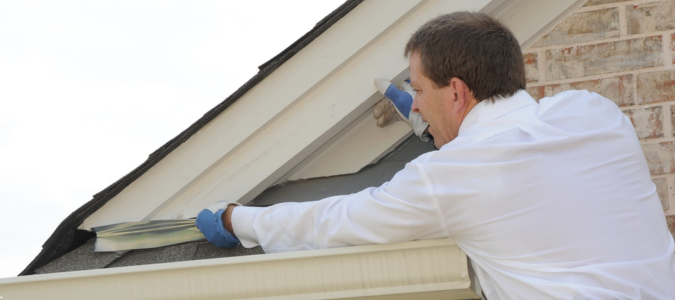
When to Call a Professional Rodent Control Company
To protect your home from rodents, pay careful attention to indicators that infestations may be present. Watching for signs of a mouse infestation can help you know when to call for professional mouse removal. Texas homeowners in particular should keep these signs in mind.
If you’re frequently spotting mice on or around your property, especially during the day, then it’s time to call in help. You may also notice scratching sounds from walls overnight, droppings in corners and crevices or the smell of dead rodents. Any wildlife interactions with pets are also a cause for concern.
What a Professional Inspection Includes
When you schedule a professional inspection, a technician will carefully evaluate your home for potential entry points. Mice can work their way in through tiny gaps, so expertise is required here. They’ll map rodent activity and provide recommendations for sanitation, exclusion and long-term rodent infestation prevention.
Manuel Ortiz walks through what that process looks like: “When our technician arrives, he meets with the customer and asks about any noises they’re hearing, where, when and what it sounds like, which usually gives us an idea of what type of rodent we’re dealing with. We inspect the attic for signs of activity, then check the exterior for openings around brick, siding and stone, including roof vents, gables and gutter lines. Once we’ve sealed up the entry points, we place traps or cages and send a specialist back the next day to check them and confirm the home is rodent-free.”
Frequently Asked Questions About Mice and Rabies
Do House Mice Carry Rabies?
Can You Get Rabies From Mouse Droppings?
What Diseases Do Mice Carry in Texas?
Should I Go to the Doctor After a Mouse Bite?

Protecting Your Home From Rodents
Can mice carry rabies? While it is possible, this risk is very low. However, you should still be concerned if you notice any signs of mice in your home. They can spread a variety of diseases and cause damage to your property.
Manuel Ortiz also notes what sets ABC apart: “Our specialists are trained with many years of experience in all types of roofs. The rodent management program gives ABC customers the opportunity to keep rodent coverage with both tile and metal roofs.”
You can schedule a professional inspection to get to the bottom of your mouse problem and help prevent future infestations.