ABC Blog

How Do I Identify and Get Rid of Pantry or Wood-Boring Beetles?

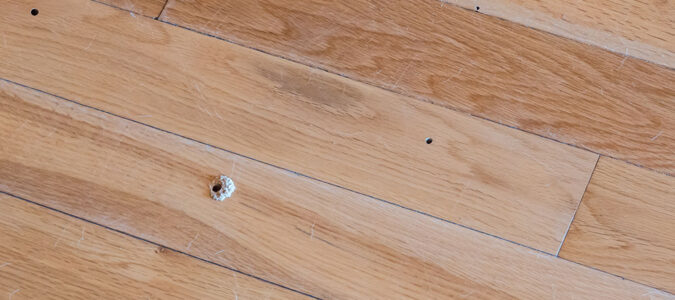
Wood-Boring Beetles - ABC Home and Commercial Services

A bag of flour sits untouched on the shelf for weeks. Then something in it moves, and it’s suddenly the only thing in the kitchen anyone’s looking at. That’s usually how a pantry beetle problem gets discovered in a Texas kitchen. Small beetles turning up around flour, rice, cereal, or pet food are almost always pantry beetles. They’re not the wood-boring beetles that damage structural lumber. The two groups look similar at a glance. But they come from different sources and call for different next steps. If you want a second set of eyes, our Houston pest control team can help you sort out which one you’re dealing with. Here’s how to tell for yourself first, and where to look once you know.

What a Pantry Beetle Actually Looks Like

“Pantry beetle” is really shorthand for a handful of small, dry-food pests that show up in stored goods, not in wood. Houston … Read Full Post »

How Do I Identify a Bug I’ve Never Seen Before?

How Do I Identify a Bug - ABC Home and Commercial Services

Trying to identify a bug you’ve never seen before? Start with a few plain details. Size. Color. How many legs. Where you found it. How it was acting. Skip trying to match a mental picture from memory. A clear photo and a few notes will get you further than almost anything else. If you’d rather skip straight to a professional read, our Houston pest control team can take it from there. Here’s a step-by-step way to work through it when you have no starting guess at all.

Why “I’ve Never Seen This Before” Is a Common Starting Point

Say the bug turned up on the windowsill again this morning, the same spot where nothing ever shows up. That’s how most first encounters with an unknown insect actually start in a Texas home — not somewhere you check often, but somewhere you don’t. Most homeowners only learn to recognize the handful of insects … Read Full Post »

How Do I Identify the Type of Wasp or Bee On My Property and Is It Dangerous?

Wasp & Bee Removal - ABC Home and Commercial Services

You catch movement out of the corner of your eye near the porch eave, and the first thought isn’t “wasp or bee.” It’s just “don’t get any closer.” Most stinging insects on a Texas property fall into a short list of categories. You can narrow down whether you’re looking at a wasp or a bee with a few quick observations. Body shape. Nest location. How it behaves when approached. If you’d rather have our Wasp & Bee Removal team in Houston confirm it and handle removal, that’s always an option too. But most of the time, where the nest is and how many insects you’re seeing matter more than the exact species. So does whether anyone in your household reacts strongly to stings.

Start With the Quick Visual Differences

Bees are generally rounder, fuzzier, and thicker-bodied, built for carrying pollen. Wasps tend to have a smoother, more slender body with a narrower … Read Full Post »

Vole Versus Mouse: Key Differences Texas Homeowners Need to Know

Key Takeaways

Voles and mice may look similar, but they behave very differently. Voles stick to your yard and damage grass, roots and landscaping, while mice head indoors to nest, contaminate food and spread disease. Knowing which pest you’re dealing with helps you choose the right treatment.

You notice winding trails in your lawn or hear scratching near the garage, but is it a mouse or a vole? Not knowing whether you’re dealing with a vole, pictured above, or a mouse can lead to the wrong treatment plan and ongoing property damage.

Texas’ climate means rodent activity can be a year-round concern. The foliage and landscaping on your property can attract a variety of rodents as well. Here’s what you should know about the differences between voles and mice to better protect your home.

To get expert insight, we spoke with Manuel Ortiz, Certified Applicator and … Read Full Post »

Where Do Roaches Hide?

a roach crawling up a wall


Key Takeaways

Roaches are experts at hiding in dark, damp and cluttered areas throughout your home, from kitchens and bathrooms to attics and garages. Regular inspections and targeted prevention are essential for keeping these pests under control.

Even one roach scurrying across your floor is an unsettling sight. These pests are sneaky, and they reproduce at an alarming rate. Even a single roach sighting is a clear sign it’s time to act.

To better understand where roaches hide and what signs to look for, we spoke with Alan Brown, Board-Certified Entomologist and Technical Director at ABC Home & Commercial Services.

Brown explains that cockroaches prefer tight, enclosed spaces because of a behavior known as positive thigmotaxis. “Roaches like to be in contact with surfaces at all times, so they prefer to be tucked into cracks and crevices when resting,” … Read Full Post »

Roach Eggs: How to Identify, Treat, and Prevent an Infestation

Key Takeaways

  • Roach eggs are housed inside protective cases called oothecae. German oothecae hold 30 to 50 eggs each, while American oothecae hold 14 to 16.
  • Finding roach eggs in your home almost always points to an active infestation — a single German female can produce 200 to 300 offspring in her lifetime.
  • The most common hiding spots are kitchen cabinets, behind appliances, bathroom corners, and inside cardboard storage boxes.
  • Store-bought sprays don’t penetrate ootheca casings, which is why DIY treatment usually fails to break the cycle.
  • Prevention comes down to three things: moisture control, sealing entry points, and removing the food sources roaches depend on.

Cockroaches have been around for more than 300 million years — longer than dinosaurs — … Read Full Post »

The Difference Between Bed Bug And Mosquito Bites

Unless you live inside an air-conditioned bubble, you’re likely to find yourself scratching your skin at some point throughout the year as you come into contact with different varieties of biting insects. Both indoors and outdoors, and especially during the summer, you might have run-ins with fleas, mosquitoes, horse flies, black flies, or even—shudder—bed bugs. Bed bugs can be very difficult to get rid of, so finding suspicious, itchy welts on your skin can cause momentary panic as you try to figure out the culprit. Fortunately, it’s relatively easy to tell the difference between bed bug bites and mosquito bites or the bites of other insects, as long as you know what to look for. Read on to learn about various insect bites and the signs and symptoms indicating which pesky pest has taken a chomp out of you.

Mosquito Bites Vs. Flea Bites

Read Full Post »

What Do Flea Bites Look Like?

Key Takeaways

Flea bites typically appear as small, itchy red bumps in clusters around the ankles and legs, and can often be mistaken for bites from other insects. Acting quickly and taking a comprehensive approach is the best way to control fleas.

Have you noticed itchy red bumps on yourself or your family members? Maybe you’ve noticed your pets scratching more than usual? These are common signs of a flea infestation.

To help you understand what flea bites look like, how to differentiate them from other bug bites and what to do about them, we spoke with Alan Brown, Board-Certified Entomologist and Technical Director at ABC Home & Commercial Services.

What Do Flea Bites Look Like on Humans?

Flea bites can look very different from person to person, so it can be difficult to determine if you’re dealing with flea bites or another type of bug bite. … Read Full Post »

I Have Tiny Black Mosquitoes in My House

Key Takeaways

  • Those tiny black mosquitoes are likely Aedes species — a group that includes the yellow fever mosquito and the Asian tiger mosquito, both of which are aggressive daytime biters.
  • The Asian tiger mosquito was first detected in the United States right here in Harris County, Texas, in 1985, after hitching a ride in imported used tires — making Houston ground zero for this invasive species.
  • Aedes mosquitoes are “container breeders.” Even a quarter-inch of standing water in a saucer, toy, or clogged gutter is enough for them to lay eggs.
  • Both Aedes aegypti and Aedes albopictus can transmit Zika, dengue, and chikungunya, so activity in and around the house should be taken seriously.
  • Stop them indoors with EPA-approved products, tight window screens, … Read Full Post »

How Long Do Mosquitoes Live Indoors?

Key Takeaways

  • The average mosquito lives about two weeks indoors, though some survive up to a month under the right conditions.
  • Female mosquitoes are the only ones that bite — and after a single blood meal, one female can lay up to 300 eggs at a time.
  • Mosquitoes enter through open doors and windows, drawn indoors by warmth, moisture, and the carbon dioxide humans exhale.
  • Bathrooms, laundry rooms, and overwatered houseplants are the most common indoor hiding spots.
  • Even a small amount of standing water inside your home — in a vase, flower pot saucer, or drain — is enough for mosquitoes to breed.
  • If DIY methods aren’t solving the problem, a licensed pest control specialist can eliminate mosquitoes and the conditions … Read Full Post »