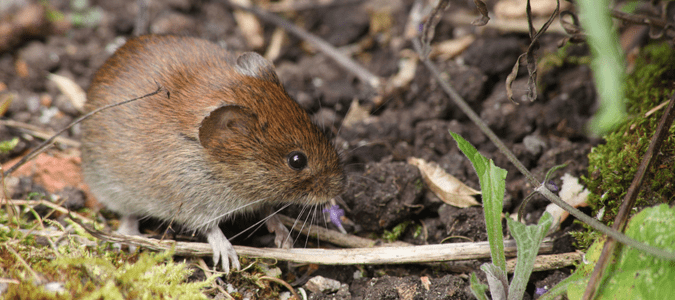
Voles and mice may look similar, but they behave very differently. Voles stick to your yard and damage grass, roots and landscaping, while mice head indoors to nest, contaminate food and spread disease. Knowing which pest you’re dealing with helps you choose the right treatment.
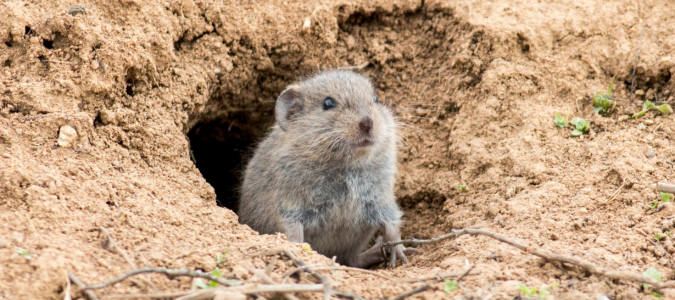
You notice winding trails in your lawn or hear scratching near the garage, but is it a mouse or a vole? Not knowing whether you’re dealing with a vole, pictured above, or a mouse can lead to the wrong treatment plan and ongoing property damage.
Texas’ climate means rodent activity can be a year-round concern. The foliage and landscaping on your property can attract a variety of rodents as well. Here’s what you should know about the differences between voles and mice to better protect your home.
To get expert insight, we spoke with Manuel Ortiz, Certified Applicator and General Manager at ABC Home & Commercial Services.
Quick Answer: Vole Versus Mouse at a Glance
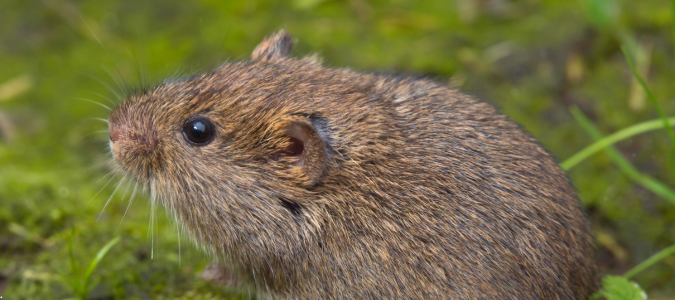
What Is a Vole?
A vole is more commonly called a field mouse, though people also often refer to them as meadow mice. They are herbivores with hearty appetites, and they feed on plant roots, seeds, bulbs and bark.
Due to their feeding habits, they generally move into large yards and fields. These feeding habits can damage your lawn and landscaping.
What Do Voles Look Like?
Voles have distinctive physical traits that separate them from other rodents. Their most prominent features include the following:
- Stout or compact bodies
- Short, stunted tails
- Round faces
- Small, bead-like eyes
- Blunt noses
- Furry bodies
Are Voles Common in Texas?
While voles are less common in the desert regions of Texas, they are very common in most other parts of the state. They can thrive in any grassy area with plenty of foliage.
You’ll find them on properties with tall grass, dense mulch, ample shrubbery and overgrown plants. Irrigated lawns attract voles because they prefer to stay close to water sources.
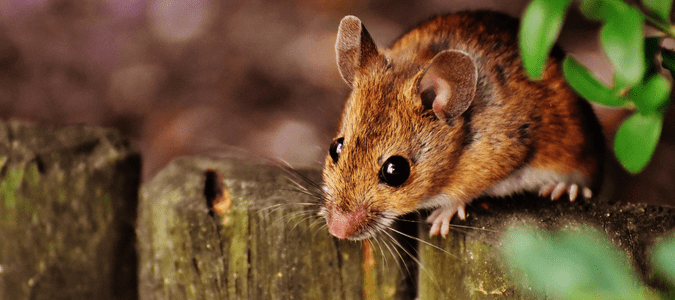
What Is a Mouse?
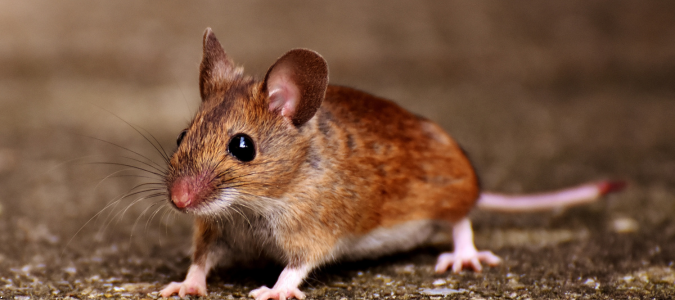
It’s fairly easy to tell the difference between a vole and a mouse by their coats. Field mice are completely covered in brown or gray fur, while indoor mice typically have white bellies.
Indoor mice are scavengers. They use paper, cardboard, fabric and insulation to build their nests. While voles build shallow underground tunnels, mice nest in attics, basements and wall voids. They also nest beneath large appliances.
Indoor mice breed frequently, and a female mouse can give birth to 10 litters per year. Additionally, mice can begin reproducing as early as 4 to 6 weeks old. This reproduction rate can help you estimate how many mice per nest when assessing your home’s infestation.
Mice carry diseases, which they spread through their droppings, saliva and urine. These are some common diseases that mice spread to people:
- Hantavirus
- Salmonella
- Leptospirosis
- Lymphocytic choriomeningitis
An important step in defending against these illnesses is to prevent and control indoor mouse infestations. Even one mouse can contaminate your food, items and surfaces.
Common Signs of Mice
Mice aren’t very effective at concealing their presence. While you might not see mice, you can find evidence of an infestation by looking for the following signs:
- Droppings
- Torn insulation and wiring
- Gnaw marks
- Scratching sounds
- Urine or ammonia odor
- Damaged food packaging
- Grease marks
Look for these signs near common nesting areas to pinpoint the location of the infestation. Ortiz says, “If you have mice, you’ll typically see small droppings about one-eighth to one-quarter of an inch long. If they’re inside your home, they’ll go after both pet food and human food.”
Owning pets can also help. Cats can smell mice, but they’re not the only type of pet that has a heightened sense of smell.
Why Mice Are More Concerning Indoors
Since mice spread diseases, it’s important to find a way to remove them when you find evidence of an infestation. Mice can also create fire hazards by damaging your wiring.
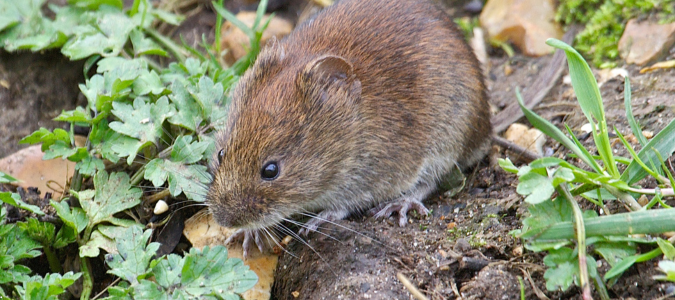
Biggest Differences Between Voles and Mice
Ortiz says, “Voles are stubby with short tails, while mice are sleeker with longer tails. Voles usually create tunnels and trails in your yard, while mice will normally target your home for harborage.”
It’s not uncommon to have more than one rodent infestation. But there are differences in how they manifest, including these common ones:
- Tail length
- Behavior
- Damage patterns
- Nesting habits
- Risk level to homeowners
By comparing common differences between a vole, pictured above, and a mouse, you can evaluate your situation more accurately.
Tail Length
Voles have very short or stout tails. Mice have long, thin tails.
Behavior
It also helps to know what to watch for when it comes to mouse and vole activity. It’s often harder to see voles since they hide outdoors. Mice tend to explore the inside of a structure, traveling throughout the property in search of food, water and nesting materials.
Damage Patterns
The type of damage you discover will help you determine which type of rodent infestation is affecting your property.
Vole Damage
Vole feeding habits can produce runways that damage your lawn or landscaping. In addition to leaving dead patches of grass, vole damage includes tree bark and plant root destruction. You should also look for vole holes in yards with mulch or shrubbery.
Mouse Damage
Mice are usually more destructive to the inside of a structure. They destroy food packaging in search of food. They can also shred wiring and insulation as a means of building their nests.
Nesting Habits
Voles burrow beneath dense vegetation on your property. They build round nests out of grass or hay, and these nests are usually six to eight inches in diameter.
Indoor mice will build nests in attics, basements and crawl spaces. They can also nest under stoves, refrigerators and other large appliances. In some instances, mice will damage drywall and nest inside the interior walls.
Risk Level to Homeowners
Landscaping damage is one of the most noticeable signs of voles. Dealing with vole damage usually involves planting new grass, replacing shrubbery or trimming damaged tree limbs.
Indoor mice cause more serious issues in the home. They create structural damage and increase the risk of electrical shorts by scavenging material for their nests. These pests can also expose your family to illnesses. This is another reason why it’s important to address these infestations.
Signs You Have Voles in Your Yard
Vole identification starts with evaluating the condition of your yard. Ortiz says, “Voles usually make burrows, tunnels and trails in your yard.”
Look for the following signs of vole activity around your home’s exterior:
- Surface Runways: Narrow paths of worn tread through grassy areas
- Soft Ground Tunnels: Shallow burrows near mulch beds and foliage
- Dead/Dying Grass: Yellowish grass resulting from root damage
- Tree Bark Damage: Missing tree bark in fall/winter caused by vole feeding patterns
If you notice one or more of these signs, it’s likely time for professional pest removal. Protect your landscaping against additional damage by addressing vole activity.

How to Prevent Voles and Mice Around Your Home
Safeguarding your home against vole and mice infestations can prevent costly property damage and health concerns. Try these tips to help protect against rodents in Texas.
Ortiz says, “The best ways to prevent voles and mice are to eliminate good harborage areas, decrease clutter in and around your home, and remove pet food that’s left out overnight.”
Lawn and Landscaping Tips
You can make your yard less attractive to voles by maintaining well-trimmed trees, foliage and grass. Keep your lawn cut short, and don’t use large amounts of mulch. Avoid overwatering your yard since rodents look for water sources.
Home Exclusion Tips
Mice can squeeze through very small spaces. Seal any gaps in your foundation, roof and window or door frames. Repair exhaust vents and install screens in each vent. Door sweeps can eliminate the gap beneath your doors, making your home less accessible to mice.
Food and Storage Practices
Transfer dry food and ingredients to covered plastic containers. Similarly, keep pet food in sealed containers or bins. Keep trash cans covered and put them in a garage or several feet away from your house. Hang bird feeders far from the house since bird seed tends to attract rodents.
Frequently Asked Questions About Voles Versus Mice
Many homeowners have common concerns about voles and mice. Here are a few frequently asked questions and answers that will help you understand these pests.
Is It Common for Voles to Enter Houses?
Can Mice Create Tunnels in Yards?
What Attracts Voles?
Are Voles Active Year-Round in Texas?
What’s the Fastest Way to Identify a Vole?
Will Pest Control Remove Voles?
When to Call a Texas Pest Control Professional
Have you noticed rodent activity near your HVAC system or lawn destruction that keeps spreading? Whether you’ve had repeated rodent sightings or noticed droppings, it’s time to consult a professional for a thorough inspection.
The experienced team at ABC Home & Commercial Services can help you handle an existing infestation and help prevent future ones. If you’re unsure whether you’re dealing with voles, mice or another pest, scheduling a professional inspection will identify and tackle the problem.