ABC Blog

The Different Types of Insulation
Key Takeaways

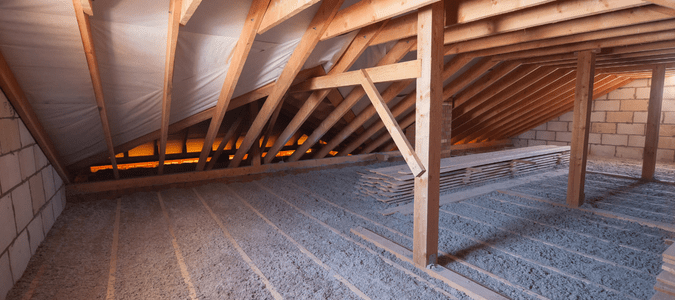
Texas homes need insulation that handles heat, humidity and occasional freezes, and the right type depends on your home’s age, budget and goals. Blown-in cellulose is a strong all-around choice for Texas attics, but spray foam, fiberglass and mineral wool each have their place.

Keeping your home warm in the winter and cool in the summer, along with protecting it from outdoor elements, is a top priority for all homeowners. How do you determine which types of insulation are best for your Texas home?

The right insulation materials for your home depend on where you live, the climate, your budget and performance goals. Texas homeowners have unique insulation needs because of prolonged heat, high cooling costs, humidity and occasional winter freezes.

Insulation isn’t the most exciting aspect of homeownership, but choosing the right materials is important. Your insulation affects your energy bills, the indoor … Read Full Post »
My Thermostat Is Not Turning on the Heat

Key Takeaways

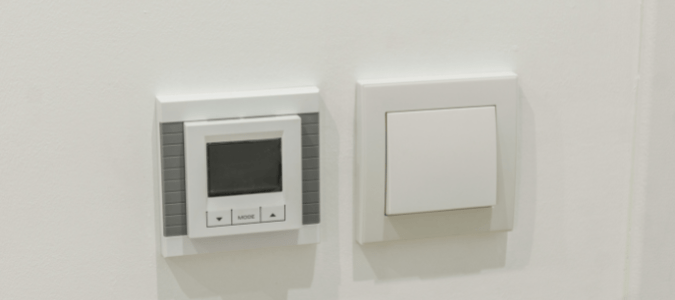
When your thermostat isn’t turning on the heat, the cause is often something simple like dead batteries, a tripped breaker or an incorrect setting. That said, if basic troubleshooting doesn’t do the trick, it’s best to call a professional before a minor issue turns into a bigger repair.

Texas weather can change quickly. One day, you’re enjoying mild temperatures. The next, cooler weather moves in and your home feels colder than it should.

If your thermostat says the heat is on but your home isn’t warming up, it’s natural to feel concerned. Fortunately, a thermostat that’s not turning on the heat doesn’t always mean the thermostat itself is broken. The issue may be as simple as dead batteries, an incorrect setting or a tripped breaker.

In other cases, the problem may be connected to your furnace, heat pump or another part of your heating … Read Full Post »

Why Does My Furnace Smell Like Burning?

Key Takeaways

A burning smell from your furnace isn’t always cause for alarm, but knowing the difference between a harmless startup smell and a serious warning sign is helpful. This guide breaks down the most common causes and when to call in a professional.

If your furnace smells like burning and you aren’t sure why, you’re not alone. It’s normal to feel concerned.

The good news is that in most cases, the burning smell is harmless for Texas homeowners. When you turn your heat on for the first time after months of inactivity, a burning smell is normal. The smell is due to the dust that’s collected on the internal components of your furnace, and it should go away after a few hours.

If that’s not the case, you may have more cause for concern. If it smells like burning plastic, melting wires or electrical components, … Read Full Post »

Why Is My Furnace Making Noise?

a furnace

Key Takeaways

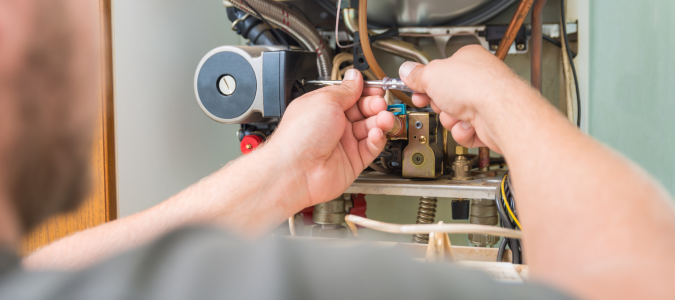
Some furnace noise is normal, like soft hums, brief startup clicks and gentle ductwork popping, but banging, grinding or persistent squealing usually mean it’s time to call a pro. When in doubt, don’t wait: catching issues early keeps small problems from turning into costly repairs.

You turn on your heat during a Texas cold front and suddenly hear banging, squealing or rattling coming from the furnace. After months of barely thinking about your heating system, a strange noise can be unsettling, especially when temperatures start dropping.

The good news is that not every noisy furnace points to a major repair. Some sounds are normal when a furnace starts up, while others can signal a maintenance issue or a part that needs attention.

In Texas, furnaces often sit unused for months while AC systems do most of the work. In this guide, we’ll explain which furnace noises are … Read Full Post »

AC Not Blowing Cold Air? A Texas Homeowner’s Step-by-Step Troubleshooting Guide

Key Takeaways

A broken AC during hot, humid weather is never something you want to deal with. ABC Home & Commercial Services offers HVAC repairs from experienced technicians who take the time to find and fix the real problem.

What should you do if your AC isn’t blowing cold air? This situation can be stressful for Texas homeowners, especially during extreme summer heat.

Luckily, there are several ways to troubleshoot the issue before calling in a professional. This guide breaks down the common causes of your AC not blowing cold air, what you can check for and when to call in assistance.

It also includes expert insights from Gary Cremeans, HVAC Operations Manager at ABC Home & Commercial Services.

Why Is My AC Not Blowing Cold Air?

According to Cremeans, the most common reasons your AC isn’t blowing cold air is due to a clogged drain … Read Full Post »

My AC Is Short Cycling: What Is Going On?

If your AC unit turns on, runs for a few minutes, then shuts off before the house starts to feel cooler, that’s usually the first clue something is off. One common reason is AC short cycling, which means the system keeps starting and stopping before it finishes a normal cooling cycle.

At first, it may not seem serious. Cool air might still come through the vents, and the house may feel mostly fine for a while. But what you may not realize is that each restart puts stress on the system. Startup is one of the hardest parts of the cycle. Over time, that repeated stop-and-start pattern can wear parts down faster and push your energy costs higher.

In Texas, where AC systems often run hard for long stretches of time, short cycling tends to show up faster and create problems sooner. It’s helpful to know what causes it, what you can … Read Full Post »

The Complete Guide to Air Conditioner Preventive Maintenance in Texas

Key Takeaways

Preventive AC maintenance helps extend the life of your system, lower energy bills and reduce the risk of unexpected breakdowns. Scheduling service once or twice a year, ideally before summer, gives an HVAC technician the chance to catch small issues before Texas heat puts extra strain on your system.

In Texas, air conditioners often run eight to ten months a year, sometimes more. That means many systems are already working hard by early spring and still running deep into fall. Over time, that long stretch of use puts steady strain on major parts, especially the compressor and coils.

Extreme heat makes that workload heavier. When temperatures stay high for days at a time, the system has to cycle longer and work harder to hold a steady indoor temperature. At the same time, dust, pollen and humidity add wear in ways most homeowners don’t … Read Full Post »

Why Is My AC So Loud? A Homeowner’s Guide to Common Causes & Fixes

Key Takeaways

A loud AC unit is often the first sign that something is wrong, from loose parts and clogged filters to failing motors or refrigerant leaks. Identifying the type of sound early can help you decide whether it’s a simple DIY fix or time to call a professional.

In many parts of Texas, air conditioners run hard for most of the year. Naturally, most homeowners get used to the normal background sound of cooling. A steady hum, a brief click at startup or airflow moving through the vents doesn’t always mean anything is wrong. But when the sound changes, if it suddenly bangs, buzzes, whistles or seems louder than usual, that’s usually when people start asking “why is my AC so loud?”

Some sounds are harmless and tied to normal AC operation. Others point to parts wearing down, airflow problems or electrical issues that … Read Full Post »

Water Leaking From AC Unit: Should I Be Worried?

Key Takeaways

Water leaking from your AC can be caused by clogged drain lines, dirty air filters, frozen coils or a damaged drain pan. Some fixes can be handled by homeowners, but if the leak keeps coming back, it’s best to call a professional HVAC technician.

When it comes to water leaking from your AC unit, it’s important to know that some moisture is normal, but active leaking is cause for concern. 

If your AC unit is actively leaking, it’s important to work with a professional to get to the root of the issue. 

For Texas homeowners, leaks are especially common due to the heat and humidity we often have. Higher temperatures and humidity levels force your AC unit to work harder to cool your home, which puts stress on the system and increases the likelihood of water leaks.

This guide covers everything you need to know … Read Full Post »

My AC Is Blowing Warm Air: What Is Going On?

Key Takeaways

If your AC is blowing warm air, common culprits include clogged air filters, low refrigerant and a frozen evaporator coil. Staying on top of routine maintenance, like replacing filters every three months and scheduling annual professional tune-ups, can help Texas homeowners prevent cooling issues and keep their AC running year-round.

As a Texas homeowner, the last thing you want during the spring and summer months is for your AC to blow warm air. Not only does it make your home uncomfortable, but it can also indicate a deeper issue with your air conditioning unit. 

What does it mean when your AC blows warm air? Typically, it signals that your AC is running but not properly cooling the air. 

This guide covers the most common causes of an AC unit blowing warm air, why it’s more common in Texas homes and when you should call … Read Full Post »