Some furnace noise is normal, like soft hums, brief startup clicks and gentle ductwork popping, but banging, grinding or persistent squealing usually mean it’s time to call a pro. When in doubt, don’t wait: catching issues early keeps small problems from turning into costly repairs.
You turn on your heat during a Texas cold front and suddenly hear banging, squealing or rattling coming from the furnace. After months of barely thinking about your heating system, a strange noise can be unsettling, especially when temperatures start dropping.
The good news is that not every noisy furnace points to a major repair. Some sounds are normal when a furnace starts up, while others can signal a maintenance issue or a part that needs attention.
In Texas, furnaces often sit unused for months while AC systems do most of the work. In this guide, we’ll explain which furnace noises are normal, what certain sounds may mean and when it’s time to contact a licensed HVAC technician.
With more than 12 years of providing heating and cooling services, ABC Home & Commercial Services has helped Texas homeowners figure out when a furnace noise is harmless and when it needs professional repair.
Is It Normal for a Furnace to Make Noise?
Some furnace noise is normal, especially when the system first starts.
According to Gary Cremeans, HVAC Operations Manager at ABC Home & Commercial Services, homeowners may hear the induced draft motor turn on, the gas valve open, the burners ignite and the blower start moving warm air through the home.
Normal sounds are usually brief and fairly soft. These can include light clicking, a steady hum, airflow through the vents or gentle popping as metal ductwork expands and contracts. These sounds should not be loud, sharp or constant.
Noises like loud banging, metal scraping, high-pitched squealing, persistent rattling or grinding are different. These can point to loose parts, ignition problems, blower motor issues or other concerns that should be checked by a trained technician.
The chart below can help you quickly sort common furnace sounds by what is usually normal, what may need service and what should be checked right away.
Common Furnace Noises and What They Mean
Banging or Booming Noises
According to Cremeans, two sounds that point to a serious issue include a loud boom during start-up or squealing motors.
While expanding metal ductwork can sometimes create popping or banging sounds as it warms up, a loud boom coming directly from the furnace may point to delayed ignition.
Delayed ignition happens when gas builds up before the burners light. When ignition finally occurs, it can create a small boom or bang. Dirty burners, ignition issues and gas buildup are common causes. Because this can become a gas or combustion issue, a professional inspection is strongly recommended.
In Texas, furnaces often sit unused for much of the year. When colder weather arrives, dust and debris can affect burner performance, increasing the likelihood of ignition-related problems during the first few heating cycles of the season.
Squealing or Screeching Sounds
A high-pitched squeal or screech usually points to a mechanical issue involving the blower assembly. Common causes include a worn blower motor belt, failing motor bearings, high static pressure or problems with the blower wheel.
Homeowners can check a few things on their own, including:
- Replacing a dirty air filter
- Making sure supply vents are open
- Checking that return vents are not blocked by furniture
Avoid opening motor compartments or attempting to repair moving parts yourself. Internal blower and motor repairs should be left to a qualified technician.
Rattling or Vibrating Noises
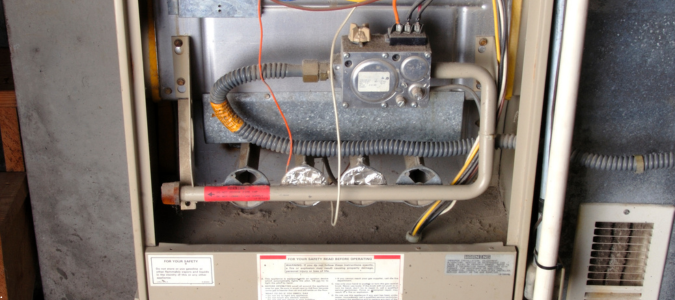
A furnace making a rattling noise may be something simple, such as a loose access panel or a screw that has worked its way loose over time. In other cases, the sound can come from damaged ductwork or worn internal components.
If tightening accessible panels does not solve the problem, the rattling may be coming from deeper inside the system. In rare cases, severe rattling can be associated with a cracked heat exchanger, which should be inspected immediately by a heating technician.
Grinding Noises
Grinding sounds usually indicate metal-on-metal contact somewhere inside the furnace. This can happen when motor bearings begin to fail or when moving parts are no longer operating smoothly.
Grinding noises rarely improve on their own. Continuing to run the furnace can increase wear and may lead to more expensive repairs. If you hear grinding, it’s a good idea to shut the system off and schedule service as soon as possible.
Clicking Sounds That Won’t Stop
A few clicks during startup are normal. Repeated clicking that continues without the furnace fully starting is not.
Potential causes include:
- Ignition problems
- A faulty flame sensor
- Relay or control board issues
- Thermostat malfunctions
If your system clicks repeatedly but never begins heating, this guide to troubleshooting a heater that will not turn on can help you understand what may be happening before you schedule service.
Whistling or Airflow Noises
A noisy furnace is sometimes caused by airflow restrictions rather than mechanical problems. Whistling sounds often occur when air is struggling to move through the system.
Common causes include:
- Dirty air filters
- Closed or blocked vents
- Leaky ductwork
- Undersized return air ducts
Before scheduling service, try this quick checklist:
- Replace the air filter
- Open all supply vents throughout the home
- Check return vents for blockages
- Make sure furniture is not restricting airflow
If the whistling continues after these steps, the issue may involve ductwork design, static pressure problems or other airflow restrictions that require professional diagnosis.

Which Furnace Noises Are Cause for Concern?
Some furnace noises are more irritating than serious. Others can signal safety concerns or mechanical problems that should not be ignored. Knowing the difference can help you decide whether to monitor the situation or contact a professional right away.
Contact a Professional Immediately
Certain sounds deserve prompt attention, especially if they are accompanied by unusual smells or system performance issues.
Contact a licensed HVAC technician as soon as possible if you notice:
- A gas smell along with unusual furnace noises
- Loud booming sounds during startup
- Grinding noises
- Electrical buzzing or humming that seems abnormal
These sounds may point to combustion issues, electrical problems or failing components that can worsen if the furnace continues running.
Schedule Service Soon
Some noises are less urgent but still worth investigating before they lead to larger repairs.
Schedule an inspection if you notice:
- Persistent rattling
- Whistling that does not improve after changing the filter
- Repeated clicking during startup
These sounds often indicate airflow restrictions, loose components or ignition-related issues that can affect efficiency and reliability.
Monitor the Situation
Not every sound requires immediate action. Minor popping or ticking sounds can occur as metal parts and ductwork expand and contract during heating cycles.
If the noise is brief, occurs only during startup and doesn’t affect performance, it may simply be part of normal operation.
When to Shut Off the System
Turn the furnace off and contact a professional if you notice:
- A gas odor
- Loud booming or grinding sounds
- Electrical burning smells
- Signs of smoke
- Symptoms of carbon monoxide exposure, such as headaches, dizziness or nausea
If you suspect a gas leak or carbon monoxide issue, leave the home immediately and follow local emergency guidance before returning. Every home with fuel-burning appliances should also have working carbon monoxide detectors installed and tested regularly. Carbon monoxide is colorless and odorless, making detectors an important part of home safety.
Why Furnaces in Texas Homes Often Make Noise After Summer
Texas homeowners often notice furnace noises during the first cold snap of the season. That is partly because heating systems may sit unused for months while AC systems handle most of the workload. When the furnace finally kicks on, it may sound different than homeowners remember.
One common cause is dust buildup. During long periods of inactivity, dust can collect on burners, blower components and other parts inside the system. When the furnace starts for the first time, some of that dust burns off or moves through the airflow system, which can create temporary odors and unusual sounds.
Attics can also play a role. Rodents and insects sometimes find their way into attic spaces during the warmer months. Damaged ductwork, nesting materials or debris near heating equipment can contribute to rattling, airflow restrictions and other noises once the furnace begins running again.
Texas weather can create additional stress on heating systems. A sudden cold front may force a furnace to go from months of inactivity to running for extended periods almost overnight. At the same time, fluctuating temperatures can cause metal ductwork to expand and contract, leading to popping, ticking or creaking sounds that homeowners may hear throughout the house.
While some startup noises are normal, sounds that persist after several heating cycles or become louder over time should be inspected by a professional. Catching small issues early can help prevent unexpected breakdowns when you need heat the most.
DIY Troubleshooting Steps Homeowners Can Try
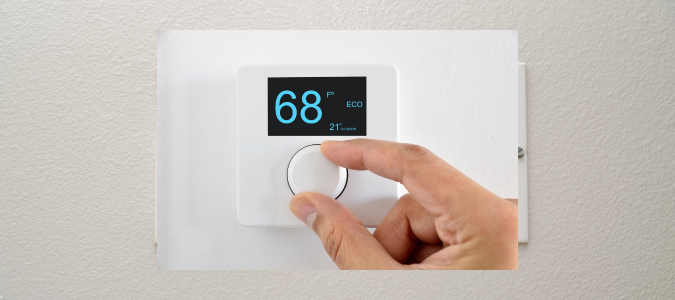
Before scheduling service, there are a few simple things you can check on your own. Many furnace noises are caused by airflow restrictions, loose panels or basic maintenance issues that are relatively easy to address.
Start with these troubleshooting steps:
- Replace the air filter if it is dirty or clogged
- Check thermostat batteries and settings
- Tighten any accessible panel screws
- Open all supply and return vents throughout the home
- Inspect the area around the furnace for visible debris
- Reset the breaker if it has tripped
A dirty air filter is one of the most common causes of airflow-related furnace noise. Restricted airflow can make the system work harder and may contribute to whistling, humming or other unusual sounds.
If the noise continues after these basic checks, avoid taking the furnace apart or attempting internal repairs. Components such as burners, blower motors and electrical controls should be inspected by a qualified heating professional.
What Our Customers Say
“In the most stressful time, during the terrible storm in Texas February 2021, I lost my heat and the house was 50 degrees. I called ABC- my go-to for everything house related- and they were there on the first day roads were passable. Ramon Guerra let me know he was on his way, solved the problem and explained everything to me in a very professional and thorough manner.”
— Jana W.
When to Call an HVAC Professional
Some furnace noises can be traced back to a dirty filter or a loose panel. Others point to mechanical, electrical or combustion-related issues that require professional attention. If the noise is getting louder, happening more often or affecting your home’s comfort, it’s time to schedule an inspection.
Contact a heating professional if you notice:
- Loud banging, booming or grinding noises
- Persistent squealing or screeching
- Repeated clicking without the furnace starting
- Electrical buzzing
- Burning odors
- Uneven heating or poor airflow
- A furnace that frequently cycles on and off
- The furnace is blowing cold air
Addressing problems early can often prevent more extensive repairs later. A worn bearing, loose component or airflow issue may be relatively simple to correct when caught early, but continued operation can put additional stress on other parts of the system.
Regular maintenance can also help reduce repair costs over time. Annual inspections allow technicians to identify worn components, clean critical parts and make adjustments before small issues turn into unexpected breakdowns. In many cases, preventive maintenance helps extend equipment life while keeping the heating system running more efficiently throughout the season.
How Regular Furnace Maintenance Prevents Noisy Operation
Regular maintenance is one of the best ways to prevent a noisy furnace and reduce the likelihood of unexpected breakdowns.
According to Cremeans, routine service can help catch small issues before they develop into costly repairs or system failures.
During an annual furnace tune-up, technicians inspect key components, check for wear and make adjustments that help the system operate more smoothly.
Common maintenance tasks include:
- Cleaning burners to support proper ignition
- Lubricating motors and moving parts when applicable
- Replacing dirty air filters
- Tightening loose electrical and mechanical connections
- Testing system airflow and static pressure
Static pressure testing is especially important because airflow restrictions can contribute to whistling, humming and other furnace noises. Identifying these issues early helps the system run more efficiently and reduces unnecessary strain on components.
Regular maintenance also gives technicians an opportunity to spot worn parts before they fail. Replacing a worn bearing, loose blower component or restricted filter is usually far less expensive than dealing with a major repair during a winter cold snap.
Furnace Repair Frequently Asked Questions
Why is my furnace making a loud banging noise?
Why does my furnace squeal when it starts?
Can a dirty filter make my furnace noisy?
Should I turn my furnace off if it’s making grinding noises?
Why is my heater loud after not using it for months?
Conclusion
A furnace making noise doesn’t always mean something is wrong. Some sounds, such as light clicking, airflow noise or brief startup hums, are a normal part of operation. Others, including banging, grinding, persistent rattling or squealing, can signal a problem that should not be ignored.
When in doubt, it’s better to address unusual noises early. Prompt repairs can help prevent more expensive damage, improve system performance and keep your home comfortable during colder weather. If your furnace is older or problems keep coming back, it may also help to review the signs a heating system needs to be replaced.
Whether your furnace is rattling, squealing or banging, our licensed Texas heating technicians can quickly diagnose the issue and restore your heating system. If the noise is getting worse or just doesn’t sound right, contact ABC Home & Commercial Services to schedule an inspection.