ABC Blog

Do Mice Carry Rabies?

Key Takeaways

Mice can technically carry rabies, but it’s extremely rare and they’re not known to transmit it to humans. Sealing entry points, removing food sources and reducing outdoor clutter are the best ways to keep mice out, and a professional inspection can catch what you might miss.

Rabies is a scary word, and if you’ve spotted a mouse in your Texas home, it’s natural to wonder whether it’s a risk. The short answer: mice can technically carry rabies, but it’s very rare. Public health authorities almost never document rabies infections in small rodents like mice.

That said, a low rabies risk doesn’t mean mice are harmless to have around. They bring plenty of other health and property concerns worth understanding, from spreading disease to chewing through wires and insulation.

For expert insight, we spoke with Manuel Ortiz, Certified Applicator and General Manager at ABC Home … Read Full Post »


How Do Mice Get in the Attic?

Key Takeaways

Mice often enter attics through small openings around roofs, vents and utility penetrations. Identifying and sealing these entry points is the best way to prevent infestations and protect your home from damage.

How do mice get in attics? They can easily squeeze through even the smallest gaps and are drawn to your attic for protection, nesting material and to avoid Texas weather conditions. Even if your home seems secure, you’d be surprised by how many mouse entry points you have. Understanding mice in attics can help you learn how to keep them away for good.

To get expert insight, we spoke with Manuel Ortiz, Certified Applicator and General Manager at ABC Home & Commercial Services.

The Most Common Ways Mice Get Into Attics

“Mice will normally target entry points on the lower portion of your home. Once they’re in the walls, they make … Read Full Post »

Where Do Rats Come From?

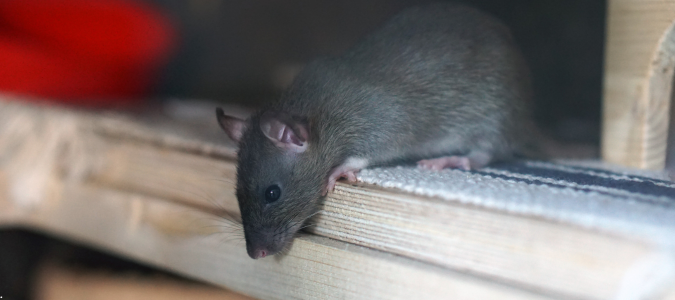
a rat

Key Takeaways

Rats are drawn to Texas homes year-round by food, water and shelter, and can squeeze through surprisingly small gaps to get inside. Sealing entry points, removing attractants and scheduling regular professional inspections are the most effective ways to keep them out.

The climate and urban growth in Texas make it all too common for homeowners to find pests entering their homes, and that includes rats. But where do rats come from in the first place? 

While they might seem to appear from nowhere, they all come from somewhere. Infestations often start outdoors, drawn by trash or pet food before moving indoors, especially through attic access. Even clean homes require the right prevention to avoid rats. Here’s what every Texas homeowner should know about these pests.

To get expert insight, we spoke with Manuel Ortiz, Certified Applicator and General Manager at ABC Home & Commercial … Read Full Post »

Vole Versus Mouse: Key Differences Texas Homeowners Need to Know

Key Takeaways

Voles and mice may look similar, but they behave very differently. Voles stick to your yard and damage grass, roots and landscaping, while mice head indoors to nest, contaminate food and spread disease. Knowing which pest you’re dealing with helps you choose the right treatment.

You notice winding trails in your lawn or hear scratching near the garage, but is it a mouse or a vole? Not knowing whether you’re dealing with a vole, pictured above, or a mouse can lead to the wrong treatment plan and ongoing property damage.

Texas’ climate means rodent activity can be a year-round concern. The foliage and landscaping on your property can attract a variety of rodents as well. Here’s what you should know about the differences between voles and mice to better protect your home.

To get expert insight, we spoke with Manuel Ortiz, Certified Applicator and … Read Full Post »

What Do House Mice Eat?

Key Takeaways

House mice will eat almost any food they can find, from pantry items and pet food to birdseed and garbage. Since they can survive on very little, just removing food usually isn’t enough to treat an infestation. Sealing up entry points, storing food properly and calling in professional pest control are the best ways to get rid of house mice.

Ever opened your pantry to find distinctive gnaw marks on boxes and bags? Mice are opportunistic omnivores who will eat plants, meat and just about anything else. Simply removing food from problem areas often doesn’t solve a rodent problem. 

Take a closer look at what and how often mice eat, which foods attract them the most, how to prevent an infestation and when professional rodent control is the right move.

What Do House Mice Actually Eat?

The quick answer to the common question, “What do … Read Full Post »

Are Mice Nocturnal?

Key Takeaways

Mice are nocturnal and most active between dusk and dawn, but scarce food, nest disturbances or overcrowding can push them out during the day, too. Watch for droppings, gnaw marks and nighttime scratching, and call a professional if signs of infestation keep showing up.

Hearing scratching in the walls at night, but nothing during the day? You could be hearing mice. Mice are nocturnal animals and typically only leave their nests after dark. However, in some circumstances, they can come out during the day.

If you’ve found yourself asking, “Are mice nocturnal?” you may have many other questions about mouse activity in your home, including:

  • Why mice prefer nighttime
  • Whether mice ever come out during the day
  • Signs of mouse activity
  • How to prevent infestations
  • When to call a professional

Take a closer look at mice and their activity … Read Full Post »

What To Do About Mice in Walls

Scurrying, squeaking or scratching noises in the walls at night typically means one thing; rodents. The 2021 American Housing Survey, conducted by the U.S Census Bureau, reveals that almost 15 million homes in the U.S. reported rodent sightings last year.

Mice and other rodents aren’t just a danger to your walls, wiring and insulation either.

The saliva, urine and feces of mice or rats can spread a host of deadly diseases to humans and pets.

Common Signs of Mice in Walls

Mice can be noticeable house guests, leaving droppings and gnaw marks behind as they search for food and shelter.

These signs can not only indicate their presence in your home but help narrow down the specific areas they’re regularly invading. If you find shredded packaging, food remains or droppings in your pantry, it’s a sure sign that mice are helping themselves to your food.

Scattered bits of insulation, cardboard or plastic wiring are a good … Read Full Post »

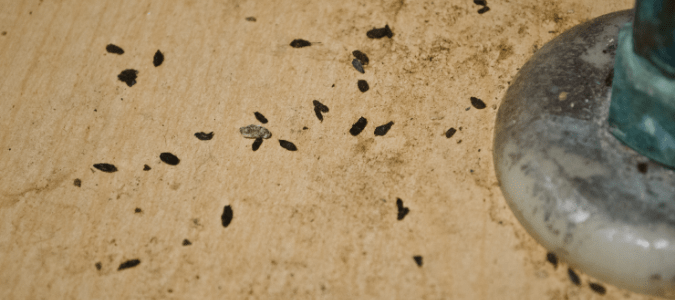
What Do Mouse Droppings Look Like?

Do you know what mouse droppings look like? Being able to identify them is an important part of spotting a mouse infestation. 

Keep in mind that DIY methods can help keep mice away, but they won’t control an existing infestation. For that, it’s best to work with a pest control company who has the experience and knowledge to control these pests.

What Do Mouse Droppings Look Like?

Did you know that one of the signs of a mouse infestation is spotting their droppings around your home? Mice are nocturnal creatures and are skilled at steering clear of danger, so it’s more common to see the signs they leave behind than the actual rodents.

That being said, it’s helpful for homeowners to understand what mouse droppings look like, where you might find them and what they can tell you about a potential mouse infestation.

The easiest way to describe a mouse dropping is that it’s black … Read Full Post »

Do Mice Hibernate? Keeping Rodents Out Of Your Home

As a homeowner, there are many things to consider before winter arrives. You want to make your space as comfortable as possible for the upcoming cold weather. The trouble is, without taking the proper steps, mice and other pests may end up seeing your home as a sanctuary of their own.

If you’re like many homeowners in Texas, you may have wondered: Do mice hibernate, or do they stay active throughout winter? The short answer is no. Mice don’t hibernate, which means they don’t have the capacity to withstand the cold the same way other mammals do. This matters to homeowners because it means these pests may be searching for a place to stay warm, which could be your home. 

The cold triggers their survival instincts, often leading them to find a path indoors. You may notice increased mouse activity when the weather gets cooler. This doesn’t mean you necessarily have more … Read Full Post »

Roof Rat vs. Norway Rat: How Are They Different?

You’ve probably heard of roof rats and Norway rats, but do you know what sets them apart? These two species are the most common types of rats in Texas and the southern U.S., so it’s important to learn what you can about them.

While it’s not always easy to tell rat species apart, roof rats and Norway rats have several key differences.

If you suspect that you have a rat problem of any kind, either inside your house or on your property, call in a pest control professional. 

Roof Rat Identification: Habitat, Appearance and Behavior 

As their name suggests, roof rats, pictured above, are known for their climbing abilities. They often climb trees or powerlines to access your roof. From there, they find a small opening to enter your house and set up camp in your rafters, inside your walls or in your attic.

Roof rats prefer warm environments, which is why they like to … Read Full Post »