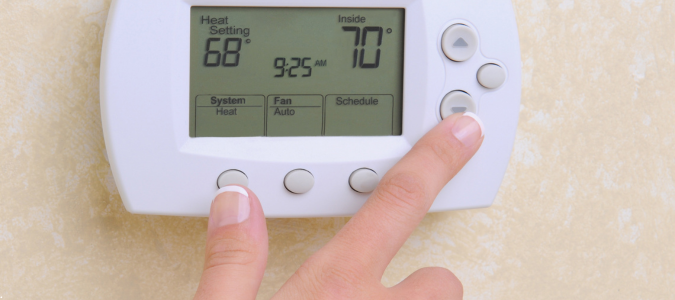
When your thermostat isn’t turning on the heat, the cause is often something simple like dead batteries, a tripped breaker or an incorrect setting. That said, if basic troubleshooting doesn’t do the trick, it’s best to call a professional before a minor issue turns into a bigger repair.
Texas weather can change quickly. One day, you’re enjoying mild temperatures. The next, cooler weather moves in and your home feels colder than it should.
If your thermostat says the heat is on but your home isn’t warming up, it’s natural to feel concerned. Fortunately, a thermostat that’s not turning on the heat doesn’t always mean the thermostat itself is broken. The issue may be as simple as dead batteries, an incorrect setting or a tripped breaker.
In other cases, the problem may be connected to your furnace, heat pump or another part of your heating system. In this guide, we’ll cover common causes, what you can check yourself and when to contact ABC Home & Commercial Services for professional help.
This guide also includes expert insights from Gary Cremeans, HVAC Operations Manager at ABC Home & Commercial Services.
Why Your Thermostat Is Not Turning On Heat
When your thermostat isn’t turning on the heat, it’s easy to assume the thermostat itself has failed. However, that’s not always the case. In many situations, the thermostat is working correctly but isn’t receiving power, not communicating with the heating system or not getting the response it expects from the equipment.
According to Gary Cremeans, some of the most common causes are surprisingly simple.
Cremeans says, “Sometimes there’s no power to the system or no gas to the furnace. Other times, the thermostat is set below the current room temperature. If it’s 70 degrees in the house and the thermostat is set to 68, the heat won’t come on because the system doesn’t think it needs to heat the home.”
In other cases, the issue may be occurring inside the heating equipment itself. Modern furnaces include built-in safety features that help protect the system from damage. If the furnace detects a problem, these safety controls may shut the system down and prevent it from turning back on until the issue is resolved.
Most thermostat-related heating problems fall into one of four categories:
- Power issues
- Incorrect thermostat settings
- Heating system malfunctions
- Electrical or control board problems
Understanding which category your problem falls into can help you determine whether a quick troubleshooting step may solve the issue or if it’s time to schedule professional service.
Quick Troubleshooting Summary
Check These Thermostat Settings First
Before assuming that there’s a major problem with your heating system, start with a few basic thermostat checks. Many heating service calls begin with a simple setting, power or battery issue that can be fixed in a few minutes.
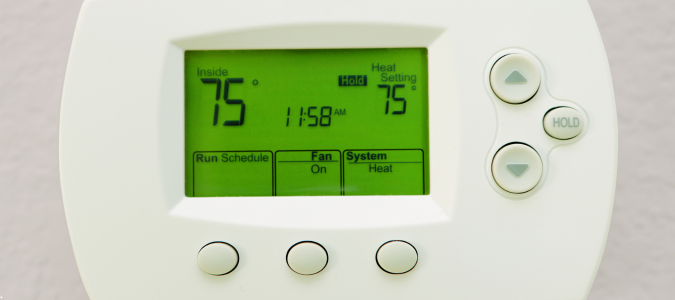
Make Sure the Thermostat Is Set to “Heat”
It may sound obvious, but thermostat settings are often the cause of heating problems. Settings can be accidentally changed, especially after switching between cooling and heating seasons.
Check the following:
- Verify that the thermostat is set to HEAT rather than COOL or FAN
- Raise the temperature setting three to five degrees above the current room temperature
- Wait several minutes to see if the system responds
- Keep in mind that many smart thermostats have built-in delay protections that prevent the heating system from starting immediately
If the thermostat is set correctly and the heat still doesn’t turn on, move on to the next troubleshooting step.
Replace the Thermostat Batteries
Many thermostats rely on batteries for power. When batteries become weak, the thermostat may not be able to send a signal to the heating system.
Unfortunately, battery replacement is one of the most commonly overlooked maintenance tasks. Many homeowners don’t realize the batteries need to be changed until the thermostat stops working properly.
Signs that your thermostat batteries may need replacement include:
- A blank thermostat screen
- A flashing low-battery warning
- Intermittent operation or inconsistent temperature control
If your thermostat uses batteries, replacing them is a quick and inexpensive step that can restore normal operation.
Check Your Circuit Breaker
If your thermostat has no power or your heating system won’t respond, check your home’s electrical panel. In some systems, the furnace and thermostat share the same breaker.
Power surges, electrical fluctuations and other issues can sometimes cause a breaker to trip, shutting down the heating system.
When inspecting your breaker panel:
- Look for any breaker that has moved to the OFF position or is sitting between ON and OFF
- Reset the breaker one time by switching it fully OFF and then back ON
- Monitor the system to see whether power is restored
If the breaker trips again, avoid repeatedly resetting it. Frequent breaker trips often indicate a larger electrical problem that should be inspected by a professional.
Why Your Thermostat Says Heat Is On But the House Is Still Cold
Sometimes, the thermostat says heat is on but no heat seems to be reaching your rooms. This can be confusing because the system may sound like it’s running, but your home still feels cold.
In some cases, the heater is blowing cold air. In others, the furnace is running but not heating the home enough. These issues can happen for several reasons.
Heat Pump in Defrost Mode
Many Texas homes use heat pumps. During cold, damp weather, frost can build up on the outdoor unit. When this happens, the heat pump may switch into defrost mode.
During defrost mode, the system may briefly blow cooler air through your vents. This is usually temporary. However, if the air stays cold or the system never catches up, there may be a problem with the heat pump, backup heat or thermostat controls.
Ductwork Leaks
Your heating system may be making warm air, but that air may not be reaching your living space.
In many Texas homes, ducts run through the attic. If ductwork is loose or damaged, warm air can escape before it reaches your rooms.
Common duct issues include:
- Air leaks in attic ductwork
- Crushed or disconnected ducts
- Poor airflow to certain rooms
- Warm air escaping into unconditioned spaces
If some rooms stay cold while others feel comfortable, ductwork could be part of the problem.
Short Cycling Furnace
Short cycling happens when a furnace turns on and off too quickly. The system may start heating, shut down, then restart again without ever warming your home properly.
Short cycling can be caused by:
- A dirty flame sensor
- An oversized heating system
- Airflow restrictions
- A dirty air filter
- Safety switches shutting the system down
Short cycling puts extra strain on your furnace and can point to a deeper heating issue. A licensed HVAC technician can inspect the system and determine why it is not completing a normal heating cycle.
When to Call a Professional HVAC Technician
Some heating problems can be resolved with basic troubleshooting. However, certain symptoms indicate a more serious issue that requires professional diagnosis and repair.
Contact a heating professional if you notice any of the following:
- A burning smell coming from your furnace or vents
- A gas smell near your heating equipment
- Buzzing or other unusual electrical noises
- A circuit breaker that repeatedly trips
- No heat during freezing weather
- A furnace that starts but won’t stay on
- A carbon monoxide detector alert
These issues can affect your comfort and your heating system’s performance.
At ABC Home & Commercial Services, our licensed and insured HVAC technicians have been helping Texas homeowners with heating and cooling needs for more than 12 years. As a family-owned business, we focus on providing thorough diagnostics and lasting solutions. Our technicians are also background checked, giving homeowners added peace of mind when inviting a service professional into their home.
If your thermostat still isn’t turning on the heat after basic troubleshooting, our HVAC technicians can identify the cause of the problem. We will recommend the best solution to restore your home’s comfort. Whether the issue involves the thermostat, furnace, heat pump or electrical components, we’ll help get your heating system back up and running as quickly as possible.
How to Prevent Thermostat and Heating Problems
Many thermostat and heating problems can be avoided with regular maintenance. This is especially important in Texas, where your heating system may sit unused for months before a sudden cold snap.
According to Gary Cremeans, homeowners can help prevent heating issues by keeping up with basic maintenance.
Cremeans says, “Have maintenance done, keep the flame sensor clean and use a good filter. Also, make sure you have power and gas to the system.”
To help reduce the risk of heating problems:
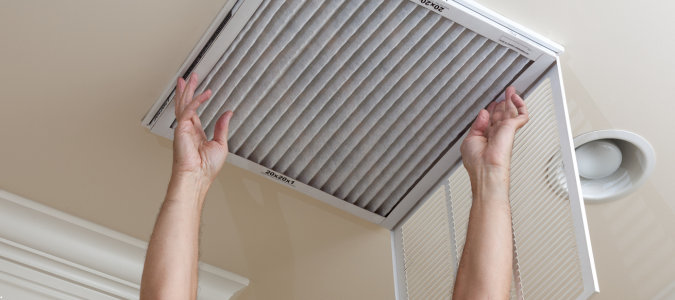
- Replace your air filter every three months
- Schedule annual furnace tune-ups
- Test your heat before winter arrives
- Upgrade outdated thermostats
- Keep vents open and unobstructed
Regular maintenance can help your technician catch small issues before they interrupt your heat during cold weather.
Frequently Asked Questions
Why is my thermostat clicking but heat is not turning on?
Can a thermostat work but still not call for heat?
How do I reset my thermostat?
Why is my furnace blowing cold air?
Should I replace my thermostat or furnace?
Can cold weather affect my thermostat?
Don’t Wait to Restore Your Heat
When temperatures drop, a heating problem can quickly become more than just an inconvenience. While some thermostat problems can be resolved with simple troubleshooting, others need professional diagnosis. Whether the issue involves your thermostat, furnace, heat pump or electrical components, addressing it early can help prevent more extensive repairs later.
For more than 12 years, ABC Home & Commercial Services has helped Texas homeowners stay comfortable through changing seasons and unexpected cold snaps. Our licensed HVAC technicians can diagnose heating problems quickly and recommend the right solution for your home.
Don’t wait without heat during a Texas cold front. If your thermostat isn’t turning on heat, contact ABC Home & Commercial Services to schedule a professional HVAC inspection and restore your home’s comfort.
