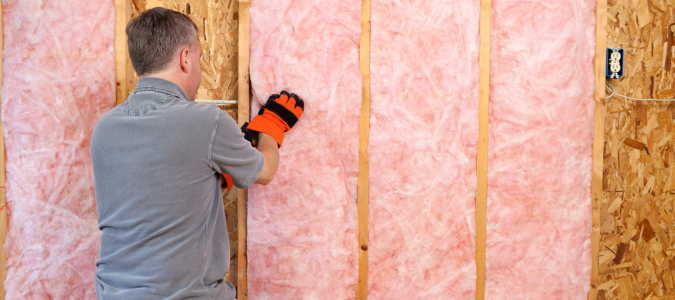
Texas homes need insulation that handles heat, humidity and occasional freezes, and the right type depends on your home’s age, budget and goals. Blown-in cellulose is a strong all-around choice for Texas attics, but spray foam, fiberglass and mineral wool each have their place.
Keeping your home warm in the winter and cool in the summer, along with protecting it from outdoor elements, is a top priority for all homeowners. How do you determine which types of insulation are best for your Texas home?
The right insulation materials for your home depend on where you live, the climate, your budget and performance goals. Texas homeowners have unique insulation needs because of prolonged heat, high cooling costs, humidity and occasional winter freezes.
Insulation isn’t the most exciting aspect of homeownership, but choosing the right materials is important. Your insulation affects your energy bills, the indoor comfort of your home, your HVAC system performance, moisture management and indoor air quality.
This guide breaks down the most common types of insulation materials so you can make the right choice for your Texas home.
Why Choosing the Right Type of Insulation Matters
The main purpose of insulation is to slow the transfer of heat from your home to the outside. High-quality insulation can lower your utility bills, provide more consistent indoor comfort and reduce wear and tear on your HVAC system.
Overall, good insulation makes your home more comfortable. Without it, it’s difficult to regulate temperature and moisture, and you’ll see a spike in your energy bills. Another perk of quality insulation is noise reduction. Proper insulation helps soften street noise, construction sounds and noisy neighbors.
Why Insulation Matters in Texas
For Texas homeowners, high-quality insulation is even more important than in other locations. Texas experiences long cooling seasons, and hot attics regularly reach or exceed 120°F.
Humidity is also a concern because without proper insulation, your home can quickly become uncomfortable and encounter moisture issues. Older Texas homes with insufficient attic insulation are the most susceptible to these issues.
To keep your home comfortable and moisture-free all summer, you need proper insulation.
The Most Common Types of Insulation
Some of the most common insulation types include:
- Blown-in cellulose
- Fiberglass batt
- Blown-in fiberglass
- Spray foam
- Rigid foam board
- Mineral wool (rock wool)
It’s important to understand that there’s no “best” type of insulation material. Each one serves a different purpose, so the right one for you will depend on your needs and goals.
Blown-In Cellulose Insulation
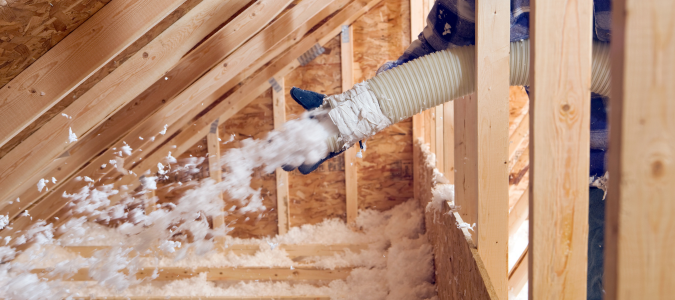
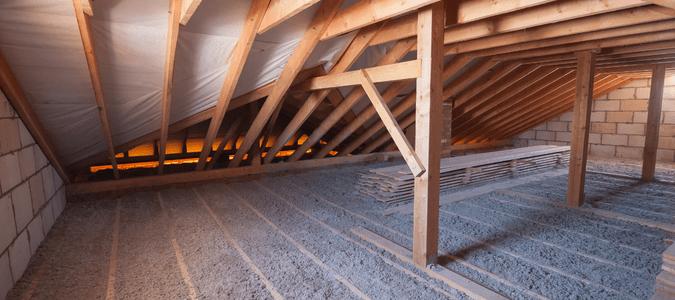
Blown-in cellulose insulation is made primarily from recycled paper products. It’s also treated with a flame retardant to protect your home against fires. To install this type of insulation, it must be professionally blown into attic spaces.
Blown-in cellulose insulation works well for a lot of situations. You can use it in existing attics, on uneven attic floors, in older homes and even over existing insulation.
It offers excellent coverage around obstacles, making it versatile and highly functional. It also helps reduce air movement, which can lower energy bills and make your home more efficient.
Made from recycled materials, blown-in cellulose insulation is an eco-friendly product that offers good sound control and can even discourage certain household pests. For example, ABC’s cellulose insulation is EPA-registered and contains boric acid to help repel pests such as cockroaches, silverfish, carpenter ants and darkling beetles.
While there are many benefits to installing blown-in cellulose insulation, there are also a few drawbacks. It must be professionally installed, can settle over time and must stay dry to remain effective.
Overall, blown-in cellulose insulation is one of the best attic upgrades for Texas homes because it’s high-quality, makes your home more efficient and comfortable and is highly functional.
Fiberglass Batt Insulation
Fiberglass batt insulation is most commonly used in walls, new constructions and in homes with open framing. It’s an affordable, widely available and DIY-friendly option that doesn’t require professional installation.
However, this type of insulation has gaps in it that can impact its performance. It’s also difficult to install around wiring and doesn’t seal in air leaks as well as other insulation materials.
Blown-In Fiberglass Insulation
Blown-in fiberglass insulation is a high-quality option that works well in irregular spaces. Like blown-in cellulose, it must be professionally installed with a hose and requires safety precautions.
Blown-in fiberglass performs well when it comes to thermal resistance, density and durability. It’s commonly used in unfinished attics, between floors and inside walls.
The pros of this insulation material are that it’s fire-resistant, lightweight and moisture-resistant. However, it doesn’t provide as tight a seal as other types of insulation, and because it’s a lightweight material, it doesn’t perform well at reducing noise.
While it’s a good option in certain scenarios, blown-in fiberglass insulation is not as high-quality as blown-in cellulose insulation.
Spray Foam Insulation
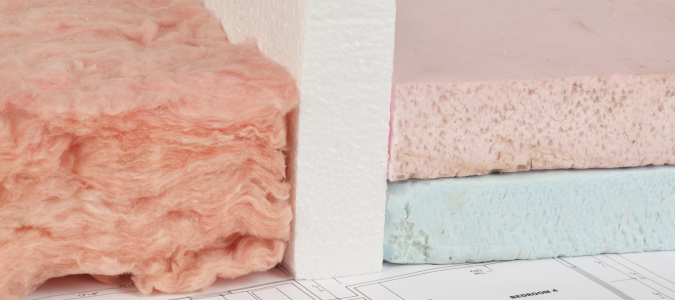
Spray foam insulation is made out of liquid polyurethane that expands to fill your home’s cavities. As it expands, it seals gaps and holes, making it highly effective at thermal resistance.
There are two types of spray foam insulation:
- Open-cell: which turns into a soft, sponge-like material
- Closed-cell: which turns into a tightly packed and rigid foam
Both types of spray foam insulation offer superior air sealing, a high R-value (which means they resist heat transfer well) and moisture resistance. However, spray foam insulation is more expensive than other materials and requires professional installation. Most homes can get similar results from more affordable options, such as blown-in cellulose.
There are some cases when spray foam insulation makes sense in Texas, such as in areas with high humidity that could benefit from extra moisture control.
Rigid Foam Board Insulation
Rigid foam board insulation is made from plastic polymers that are shaped into stiff panels. Unlike other materials, they offer uniform thickness and extra structure. This material is more commonly used for exterior walls, foundations and other specialty applications.
The pros of rigid foam board insulation are that it offers excellent thermal and moisture resistance, it doesn’t settle over time and it can provide extra structure to your home. However, installation is complex, the material is highly flammable and it can become a home for common household pests.
Mineral Wool (Rock Wool)
Mineral wool, also known as rock wool, is created by melting volcanic rock and industrial slag and spinning the materials together to create fibers. Its main benefits are that it’s fireproof, offers a great sound barrier and resists moisture. However, it has a higher upfront cost than other materials and is difficult to install.
Comparing the Different Types of Insulation
Which Type of Insulation Is Best for Texas Homes?
The best type of insulation for your Texas home depends on the type of home you have, its needs and your goals.
- Best for older homes: blown-in cellulose
- Best for lowering cooling bills: cellulose or spray foam (depending on your home’s construction)
- Best for sound reduction: mineral wool; however, blown-in cellulose offers excellent sound reduction for a much friendlier price
- Best for pest concerns: blown-in cellulose
- Best eco-friendly option: blown-in cellulose
Professionally installed treated cellulose insulation can provide insulation benefits while also helping discourage certain household pests, making it a strong option for many Texas attics.
Signs Your Home May Need New Insulation
If you’re dealing with the following issues, you should contact a professional about installing new insulation:
- High electric bills
- Uneven temperatures
- Hot upstairs
- HVAC running constantly
- Pest activity in attic
- Old or damaged insulation
- Water damage
Should You Remove Old Insulation Before Adding More?
Sometimes, adding new insulation to existing insulation is enough to meet your home’s needs. However, in other cases, you may need to remove old insulation and start from the beginning.
If the original layer of insulation is dry and pest-free, adding new insulation to fill in gaps is enough. On the other hand, damaged or moist insulation should be removed, as it can threaten air quality and invite pests into your home. It also likely isn’t performing well when it comes to heat resistance or noise reduction.
Professional insulation contractors can inspect existing insulation and recommend whether removal, sanitization or additional insulation is the best approach. ABC Home offers inspection, removal, sanitization and new insulation installation.
Frequently Asked Questions
What type of insulation lasts the longest?
What insulation has the highest R-value?
Which insulation is best for attics?
Is cellulose better than fiberglass?
Does insulation help lower electric bills?
How often should attic insulation be replaced?
Why Professional Insulation Installation Makes a Difference
Getting new insulation professionally installed ensures proper depth and coverage, which makes a major difference in performance. An expert will find and address all air leaks and moisture issues, and guarantee the correct R-value for your climate zone. Additionally, they’ll let you know whether you can keep your old insulation or if it needs to be removed.
Discover the Right Type of Insulation With Professional Help
Every type of insulation has strengths, and the best choice for you depends on your home’s age, the existing insulation, your budget, the climate and your energy goals. The best way to determine the right type for you is with professional guidance. Schedule an attic inspection with an insulation expert today.
