ABC Blog

Where Do Roaches Hide?

a roach crawling up a wall


Key Takeaways

Roaches are experts at hiding in dark, damp and cluttered areas throughout your home, from kitchens and bathrooms to attics and garages. Regular inspections and targeted prevention are essential for keeping these pests under control.

Even one roach scurrying across your floor is an unsettling sight. These pests are sneaky, and they reproduce at an alarming rate. Even a single roach sighting is a clear sign it’s time to act.

To better understand where roaches hide and what signs to look for, we spoke with Alan Brown, Board-Certified Entomologist and Technical Director at ABC Home & Commercial Services.

Brown explains that cockroaches prefer tight, enclosed spaces because of a behavior known as positive thigmotaxis. “Roaches like to be in contact with surfaces at all times, so they prefer to be tucked into cracks and crevices when resting,” … Read Full Post »

Are Mice Nocturnal?

Key Takeaways

Mice are nocturnal and most active between dusk and dawn, but scarce food, nest disturbances or overcrowding can push them out during the day, too. Watch for droppings, gnaw marks and nighttime scratching, and call a professional if signs of infestation keep showing up.

Hearing scratching in the walls at night, but nothing during the day? You could be hearing mice. Mice are nocturnal animals and typically only leave their nests after dark. However, in some circumstances, they can come out during the day.

If you’ve found yourself asking, “Are mice nocturnal?” you may have many other questions about mouse activity in your home, including:

  • Why mice prefer nighttime
  • Whether mice ever come out during the day
  • Signs of mouse activity
  • How to prevent infestations
  • When to call a professional

Take a closer look at mice and their activity … Read Full Post »

How To Get Rid of Ants in the House

Key Takeaways

Ants keep returning as long as their colony stays active and can find entry points, food or water in your home. Baits are more effective than sprays since worker ants carry them back to the colony, and getting rid of ants long-term means identifying the species, removing the colony and sealing entry points, not just handling the ants you see.

For homeowners in Texas, it’s all too common to spray your property for ants, only to see them return shortly after. If you’re searching for “how to get rid of ants in the house,” then it’s time to take an approach that addresses both visible ants and the hidden colony.

Here’s a closer look at how to best handle an ant infestation, from dealing with the different ant species to taking simple but effective steps to protect your home. It’s also essential to … Read Full Post »

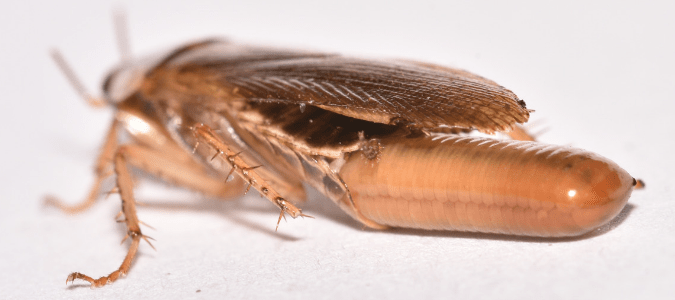
Roach Eggs: How to Identify, Treat, and Prevent an Infestation

Key Takeaways

  • Roach eggs are housed inside protective cases called oothecae. German oothecae hold 30 to 50 eggs each, while American oothecae hold 14 to 16.
  • Finding roach eggs in your home almost always points to an active infestation — a single German female can produce 200 to 300 offspring in her lifetime.
  • The most common hiding spots are kitchen cabinets, behind appliances, bathroom corners, and inside cardboard storage boxes.
  • Store-bought sprays don’t penetrate ootheca casings, which is why DIY treatment usually fails to break the cycle.
  • Prevention comes down to three things: moisture control, sealing entry points, and removing the food sources roaches depend on.

Cockroaches have been around for more than 300 million years — longer than dinosaurs — … Read Full Post »

The Difference Between Bed Bug And Mosquito Bites

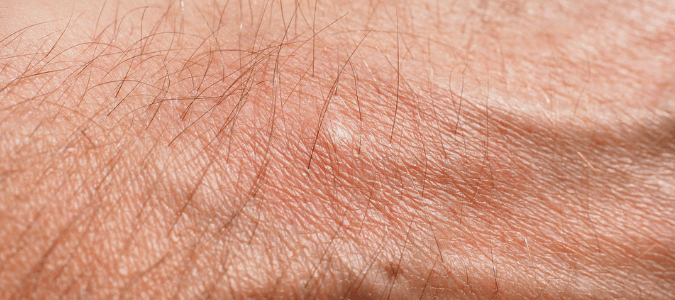
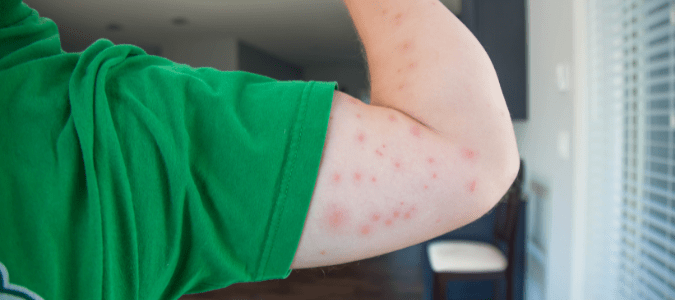
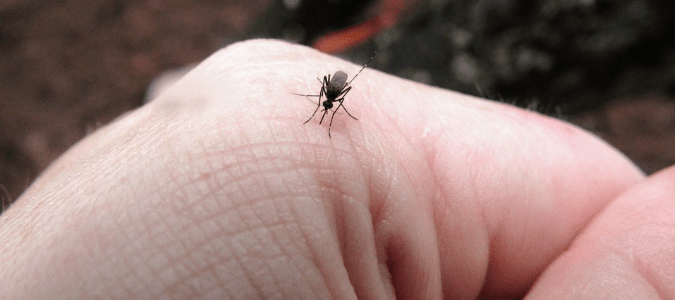
Unless you live inside an air-conditioned bubble, you’re likely to find yourself scratching your skin at some point throughout the year as you come into contact with different varieties of biting insects. Both indoors and outdoors, and especially during the summer, you might have run-ins with fleas, mosquitoes, horse flies, black flies, or even—shudder—bed bugs. Bed bugs can be very difficult to get rid of, so finding suspicious, itchy welts on your skin can cause momentary panic as you try to figure out the culprit. Fortunately, it’s relatively easy to tell the difference between bed bug bites and mosquito bites or the bites of other insects, as long as you know what to look for. Read on to learn about various insect bites and the signs and symptoms indicating which pesky pest has taken a chomp out of you.

Mosquito Bites Vs. Flea Bites

Read Full Post »

What Do Flea Bites Look Like?

Key Takeaways

Flea bites typically appear as small, itchy red bumps in clusters around the ankles and legs, and can often be mistaken for bites from other insects. Acting quickly and taking a comprehensive approach is the best way to control fleas.

Have you noticed itchy red bumps on yourself or your family members? Maybe you’ve noticed your pets scratching more than usual? These are common signs of a flea infestation.

To help you understand what flea bites look like, how to differentiate them from other bug bites and what to do about them, we spoke with Alan Brown, Board-Certified Entomologist and Technical Director at ABC Home & Commercial Services.

What Do Flea Bites Look Like on Humans?

Flea bites can look very different from person to person, so it can be difficult to determine if you’re dealing with flea bites or another type of bug bite. … Read Full Post »

I Have Tiny Black Mosquitoes in My House

Key Takeaways

  • Those tiny black mosquitoes are likely Aedes species — a group that includes the yellow fever mosquito and the Asian tiger mosquito, both of which are aggressive daytime biters.
  • The Asian tiger mosquito was first detected in the United States right here in Harris County, Texas, in 1985, after hitching a ride in imported used tires — making Houston ground zero for this invasive species.
  • Aedes mosquitoes are “container breeders.” Even a quarter-inch of standing water in a saucer, toy, or clogged gutter is enough for them to lay eggs.
  • Both Aedes aegypti and Aedes albopictus can transmit Zika, dengue, and chikungunya, so activity in and around the house should be taken seriously.
  • Stop them indoors with EPA-approved products, tight window screens, … Read Full Post »

How Long Do Mosquitoes Live Indoors?

Key Takeaways

  • The average mosquito lives about two weeks indoors, though some survive up to a month under the right conditions.
  • Female mosquitoes are the only ones that bite — and after a single blood meal, one female can lay up to 300 eggs at a time.
  • Mosquitoes enter through open doors and windows, drawn indoors by warmth, moisture, and the carbon dioxide humans exhale.
  • Bathrooms, laundry rooms, and overwatered houseplants are the most common indoor hiding spots.
  • Even a small amount of standing water inside your home — in a vase, flower pot saucer, or drain — is enough for mosquitoes to breed.
  • If DIY methods aren’t solving the problem, a licensed pest control specialist can eliminate mosquitoes and the conditions … Read Full Post »

Are Mosquitoes Attracted to Light?

Key Takeaways

Many homeowners think mosquitoes are attracted to light, but they’re actually drawn to you. Things like your breath, body heat and scent are what attract them, so that’s where you should focus your prevention efforts.

It’s a common assumption that mosquitoes are drawn to light, but is it actually true?

To find out, we spoke with Alan Brown, Board-Certified Entomologist and Technical Director at ABC Home & Commercial Services. No, mosquitoes aren’t attracted to light. Light may have a small effect on these pests, but factors like carbon dioxide, body heat and your scent are what really draw mosquitoes in. 

Since mosquitoes are attracted to people, and people are often around lights, it’s easy to see why we tend to blame light for mosquito activity. Here’s a closer look at mosquito behavior.

Why People Think Mosquitoes Are Attracted to Light

Many homeowners assume that mosquitoes are … Read Full Post »

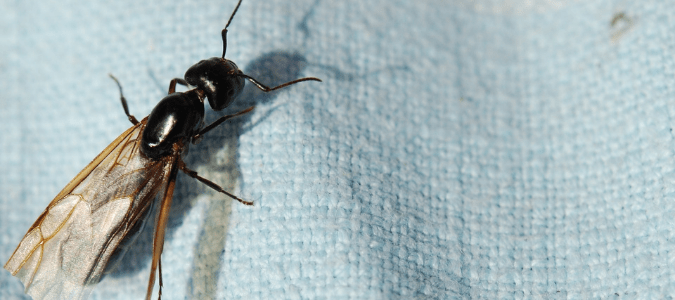
Flying Carpenter Ants: Signs, Causes & How to Get Rid of Them

KEY TAKEAWAYS

  • Flying carpenter ants are swarmers, not strays. Spotting them means a mature colony is nearby — possibly already inside your home’s walls or woodwork.
  • They don’t eat wood, but they still destroy it. Carpenter ants hollow out galleries for nesting, weakening beams, sills, and frames from the inside.
  • Spring is peak season in Houston. Swarms typically emerge between February and June, often after warm, humid days.
  • Misidentifying them as termites is a costly mistake. The two pests look similar but require completely different treatments.
  • Moisture is the root cause. Most infestations trace back to a leak, drainage issue, or damp wood somewhere on the property.

What Are Flying Carpenter Ants?

Flying carpenter ants are the winged, reproductive … Read Full Post »