Roaches are experts at hiding in dark, damp and cluttered areas throughout your home, from kitchens and bathrooms to attics and garages. Regular inspections and targeted prevention are essential for keeping these pests under control.
Even one roach scurrying across your floor is an unsettling sight. These pests are sneaky, and they reproduce at an alarming rate. Even a single roach sighting is a clear sign it’s time to act.
To better understand where roaches hide and what signs to look for, we spoke with Alan Brown, Board-Certified Entomologist and Technical Director at ABC Home & Commercial Services.
Brown explains that cockroaches prefer tight, enclosed spaces because of a behavior known as positive thigmotaxis. “Roaches like to be in contact with surfaces at all times, so they prefer to be tucked into cracks and crevices when resting,” he says.
Inside the home, Brown notes that common hiding spots include “under baseboards, in the walls around plumbing areas in kitchens and bathrooms and attic spaces.” Outdoors, roaches often hide “in mulch and leaf litter, tree holes and heavy foliage like dense ivy.”
Knowing where roaches prefer to hide can help you detect a problem early and prevent hidden populations from growing.
Where do roaches hide in homes? Knowing the answer is key to early detection. It’s good to know where they like to hide so you can prevent any hidden stragglers from becoming a booming population.
Central Texas homeowners will likely find one of two types of roaches: the smaller German roach or the larger American roach. Learn more about roach behavior so you’ll know which places to start looking.
Why Roaches Hide
Cockroaches hide because their survival depends on it. They prefer darkness, since they’re primarily nocturnal. Warmth is another reason cockroaches enter homes. They might even prefer the heat generated from appliances or electronics, finding ways to get inside them to stay comfortable.
Roaches also have flat bodies, so they can squeeze into very tight spaces. This helps them hide from predators. It also means they can fit through even the tiniest cracks in a wall or floorboard, giving them even more options for hiding places.
Most Common Places Roaches Hide in Homes
A room-by-room inspection is the best way to monitor and treat for cockroaches. Here are the most common places roaches might be hiding in your home:
- Kitchen
- Bathroom
- Laundry room/utility room
- Bedroom
- Living room and common areas
- Garage and attic
- Outside the home
Let’s take a closer look at each of these areas.
Kitchen Hiding Spots
The kitchen is ideal for roaches as it provides many of the things they need, like water, food and plenty of hiding places. Look for roaches:
- Under sinks and around plumbing
- Behind and under appliances
- Inside cabinets and pantries
Look for droppings, egg casings and shed skins in these areas. Big appliances are excellent hiding places, but you can even find them under toasters or coffee makers. Do a clean sweep of the kitchen, addressing any crumbs or spills as you go.
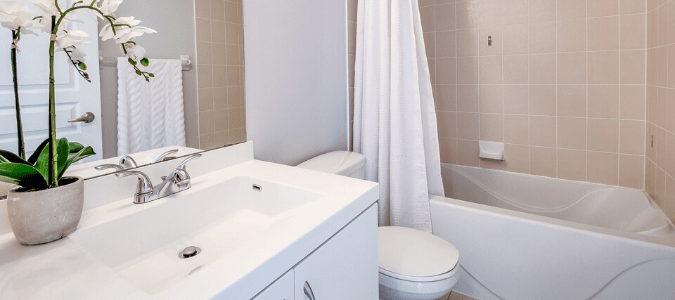
Bathroom Hiding Spots
Bathrooms are also a prime location for cockroaches, thanks to the constant moisture and the highway system through your plumbing. You can often find them:
- Behind toilets
- Under sinks
- Inside vanity cabinets
- Around showers and bathtubs
- Under drain covers and overflow plates
Always check damp, plumbing-heavy areas. Even small leaks can lead to a growing roach population.
Laundry Room
Laundry rooms have everything cockroaches love: water from the plumbing and heat from the appliances or water heating equipment. Here’s where to start your search in this room:
- Behind washers and dryers
- In water heater closets
- In electrical panels
- In floor drains
The humidity and warmth are a major draw in this area. Even if you don’t find hidden roaches in your kitchen or bathroom, the laundry room is a probable location.
Bedroom Hiding Spots
Bedrooms provide dark, undisturbed spaces. While a bedroom is less likely to be their primary hiding place without a food source, it’s good to double-check. Look:
- Under beds
- Inside nightstands
- Inside piles of laundry
- In cracks in baseboards
- Behind headboards
Focus your inspection on areas with lots of clutter, like closets.
Living Room and Common Areas
As with your bedroom, there’s not as much of a draw for cockroaches in the living room and common areas. Still, dark spaces from furniture are not off the table. Check:
- Under couches and recliners
- Inside couch cushions
- Behind picture frames
- Inside electronics (TVs, gaming consoles, routers)
- On bookshelves and entertainment centers
Pay close attention to areas with electronics that you don’t move around often. These can be good hiding spots for roaches.
Garage and Attic
These transitional spaces have plenty for roaches to thrive on. Roaches often show up first in attics and garages because they’re drawn to moisture and damp cardboard. Check the following areas:
- Cardboard boxes (roaches will eat glue)
- Storage bins
- Cracks in foundation walls
- Insulation
- Water heaters and HVAC equipment
- Floor drains or moisture-prone corners
Because homeowners rarely go into these areas, attics and garages can become long-term hiding spots for cockroaches.
Outside the Home
Roaches outside the home are still a problem, especially because it’s usually only a matter of time before they make their way indoors. Here’s where you should look for roaches on your property:
- Mulch beds
- Woodpiles
- Trash cans
- Sewer systems (especially for American roaches)
- Roof gutters (moist leaf piles)
You should monitor these areas as much as your home’s interior. They can serve as the entry point for many indoor infestations, and roach populations found outside should be taken seriously.
Signs That Roaches Are Hiding in Your Home
You don’t always need to see a live roach to know you have a problem.
According to Brown, “look for signs like fecal spotting (German roaches) or fecal pellets (American or smoky brown cockroaches).” He explains that fecal spotting appears as “small specks of brown to black material stuck to surfaces and somewhat hard to remove,” and these are usually found near hiding places.
For larger species, Brown says “fecal pellets look like little burned churros with six sides.” He also notes that “there can be a musty odor associated with roaches,” and in some cases, homeowners may notice “small, house fly-sized black wasps that parasitize cockroach eggs.” While those wasps don’t sting and are considered beneficial, Brown says they’re “a clear sign of American cockroaches.”
Signs of roaches in your home include:
- Roach droppings
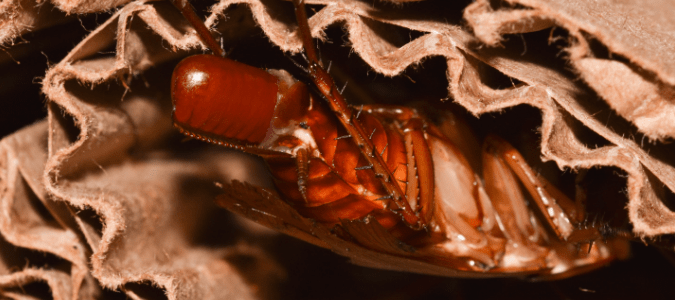
- Egg casings (pictured above)
- Musty odors
- Shed skins
- Smear marks around moisture areas
- Dead roaches
Seeing a live roach during the day is often a sign that its usual hiding place is overcrowded. This is why you don’t want to wait until you see a roach if you notice signs of these pests.
How to Find Hidden Roaches (Step-by-Step Guide)
Hidden cockroaches don’t want to be found. But if you take a focused approach and know where to look, you can find them.
- Inspect Dark Corners: Roaches like tight spaces. Shine your flashlight along baseboards, into wall voids and deep into cabinets.
- Look Behind Appliances and Inside Cabinets: Pull out your stove and refrigerator and check every cabinet thoroughly, especially in the kitchen and bathroom.
- Inspect Plumbing and Wall Gaps: Check the holes where pipes enter the wall under your sink. These gaps make excellent hiding spots for roaches.
- Check Cardboard Storage and Clutter: Open and inspect any boxes in your garage or attic to see if roaches are hiding there.
Looking in the spots where roaches tend to hide can keep you from being caught off guard.
Why You Shouldn’t Rely on DIY Alone
Roaches multiply rapidly, so one hiding spot can quickly lead to a full infestation. Over-the-counter sprays are often repellents. This just means that the roaches will leave the area but find another spot in your home to live.
Professional pest control uses targeted methods that work well against stubborn pests like cockroaches.
How a Professional Pest Control Company Treats Hidden Roaches
A typical process for pest control professionals could include:
- Full inspection of high-risk hiding spots
- Species identification
- Targeted applications
- Sanitation and moisture management recommendations
- Follow-up treatments for eggs and nymphs
It’s important to hire a trustworthy and transparent pest professional.

Prevention Tips to Stop Roaches From Coming Back
The best way to manage roaches is to give them zero reasons to return to your property. This includes:
- Sealing up entry points
- Reducing moisture
- Removing food sources
- Decluttering
These prevention tips are excellent for any homeowner, regardless of whether you’ve spotted a roach or not. However, they’re essential if you have a roach problem.
When to Call in a Professional
If you’ve already taken prevention steps but still have an ongoing problem, it’s time to call in the experts. It’s also time to call in the pros if you have the following issues:
- Seeing roaches during the day
- Smelling a musty odor coming from cabinets or utility areas
- Finding droppings, especially around kitchen appliances
- Noticing evidence of roaches in multiple areas of the home
If you’re finding roaches around your home, reach out to a professional to control the infestation.
Frequently Asked Questions About Roaches
Where Do Roaches Hide in a Clean House?
Where Do Roaches Hide During the Day?
ABC’s Expert Approach to Roach Control
Cockroaches thrive in dark spaces that keep them warm and satisfy their need for food and water. The key to effective control is to know the answer to the question, “Where do roaches hide?” They’re primarily found in kitchens, bathrooms and anywhere else with clutter and moisture.
Don’t let roaches hide in your home. Contact ABC Home & Commercial Services for a free inspection or quote.