ABC Blog

Are Centipedes and Crickets in My House Dangerous, and How Do I Get Rid of Them?
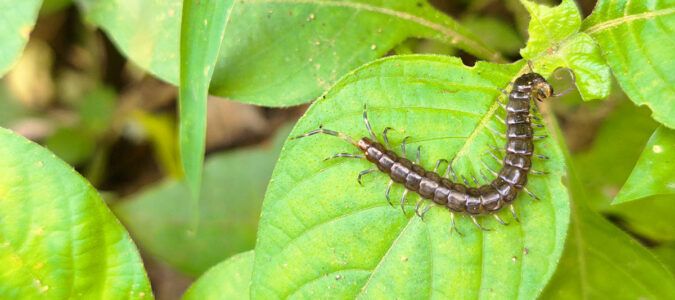
Centipedes pest control - ABC Home and Commercial Services

A centipede crosses the bathroom floor late at night, moves fast, and vanishes under the baseboard before anyone gets a real look at it. That’s usually where the questions start. House centipedes and crickets are two of the most common “what is this and should I worry” pests homeowners run into. Centipedes hunt. Crickets chirp. Neither one is out to get you. And they’re rarely as concerning as they look. If either one keeps showing up no matter what you try, a Houston pest control inspection can usually find what’s actually drawing them in. Centipedes are hunters that feed on other household bugs. A bite is possible, but it’s uncommon and not medically significant for most people. Crickets don’t bite people at all, but they can chew through natural fibers. And in numbers, they cause a nuisance chirping problem once they’re indoors. Both usually show up for the same underlying … Read Full Post »

How Do I Tell the Difference Between Fruit Flies, Gnats, and Other Small Flying Bugs In My House?

Houston pest control - ABC Home and Commercial Services

Most tiny flying bugs found indoors get lumped together as “fruit flies.” But a few other insects get mistaken for the same problem just as often. Drain flies, midges, and no-see-ums all fit the same rough description at a glance. If nothing you’ve tried is helping, it’s worth having a Houston pest control technician confirm what you’re actually seeing before you keep guessing. Each one has a different source and shows up in a different part of the house. Match the bug to the source — that’s really the whole exercise. Knowing which insect you’re looking at matters more than size or color alone. Here’s how to sort through the category beyond the usual fruit-fly-versus-gnat comparison.

The Small Flying Bugs Homeowners Usually Lump Together

Say a tiny flying bug shows up in the kitchen again tonight, buzzing around the same spot as last week. Most people reach for the nearest catch-all label … Read Full Post »

How Do I Identify and Get Rid of Pantry or Wood-Boring Beetles?

Wood-Boring Beetles - ABC Home and Commercial Services

A bag of flour sits untouched on the shelf for weeks. Then something in it moves, and it’s suddenly the only thing in the kitchen anyone’s looking at. That’s usually how a pantry beetle problem gets discovered in a Texas kitchen. Small beetles turning up around flour, rice, cereal, or pet food are almost always pantry beetles. They’re not the wood-boring beetles that damage structural lumber. The two groups look similar at a glance. But they come from different sources and call for different next steps. If you want a second set of eyes, our Houston pest control team can help you sort out which one you’re dealing with. Here’s how to tell for yourself first, and where to look once you know.

What a Pantry Beetle Actually Looks Like

“Pantry beetle” is really shorthand for a handful of small, dry-food pests that show up in stored goods, not in wood. Houston … Read Full Post »

How Do I Identify a Bug I’ve Never Seen Before?

How Do I Identify a Bug - ABC Home and Commercial Services

Trying to identify a bug you’ve never seen before? Start with a few plain details. Size. Color. How many legs. Where you found it. How it was acting. Skip trying to match a mental picture from memory. A clear photo and a few notes will get you further than almost anything else. If you’d rather skip straight to a professional read, our Houston pest control team can take it from there. Here’s a step-by-step way to work through it when you have no starting guess at all.

Why “I’ve Never Seen This Before” Is a Common Starting Point

Say the bug turned up on the windowsill again this morning, the same spot where nothing ever shows up. That’s how most first encounters with an unknown insect actually start in a Texas home — not somewhere you check often, but somewhere you don’t. Most homeowners only learn to recognize the handful of insects … Read Full Post »

How Do I Identify the Type of Wasp or Bee On My Property and Is It Dangerous?

Wasp & Bee Removal - ABC Home and Commercial Services

You catch movement out of the corner of your eye near the porch eave, and the first thought isn’t “wasp or bee.” It’s just “don’t get any closer.” Most stinging insects on a Texas property fall into a short list of categories. You can narrow down whether you’re looking at a wasp or a bee with a few quick observations. Body shape. Nest location. How it behaves when approached. If you’d rather have our Wasp & Bee Removal team in Houston confirm it and handle removal, that’s always an option too. But most of the time, where the nest is and how many insects you’re seeing matter more than the exact species. So does whether anyone in your household reacts strongly to stings.

Start With the Quick Visual Differences

Bees are generally rounder, fuzzier, and thicker-bodied, built for carrying pollen. Wasps tend to have a smoother, more slender body with a narrower … Read Full Post »

Do Mice Carry Rabies?

Key Takeaways

Mice can technically carry rabies, but it’s extremely rare and they’re not known to transmit it to humans. Sealing entry points, removing food sources and reducing outdoor clutter are the best ways to keep mice out, and a professional inspection can catch what you might miss.

Rabies is a scary word, and if you’ve spotted a mouse in your Texas home, it’s natural to wonder whether it’s a risk. The short answer: mice can technically carry rabies, but it’s very rare. Public health authorities almost never document rabies infections in small rodents like mice.

That said, a low rabies risk doesn’t mean mice are harmless to have around. They bring plenty of other health and property concerns worth understanding, from spreading disease to chewing through wires and insulation.

For expert insight, we spoke with Manuel Ortiz, Certified Applicator and General Manager at ABC Home … Read Full Post »

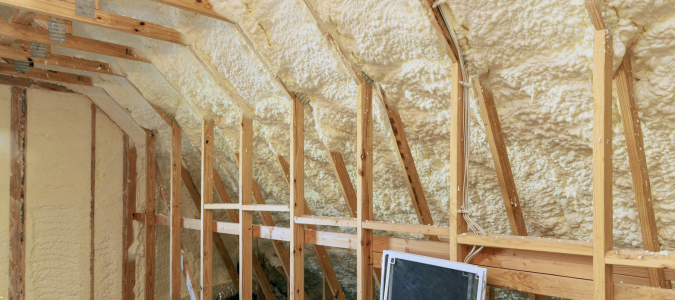
How Do Mice Get in the Attic?

Key Takeaways

Mice often enter attics through small openings around roofs, vents and utility penetrations. Identifying and sealing these entry points is the best way to prevent infestations and protect your home from damage.

How do mice get in attics? They can easily squeeze through even the smallest gaps and are drawn to your attic for protection, nesting material and to avoid Texas weather conditions. Even if your home seems secure, you’d be surprised by how many mouse entry points you have. Understanding mice in attics can help you learn how to keep them away for good.

To get expert insight, we spoke with Manuel Ortiz, Certified Applicator and General Manager at ABC Home & Commercial Services.

The Most Common Ways Mice Get Into Attics

“Mice will normally target entry points on the lower portion of your home. Once they’re in the walls, they make … Read Full Post »

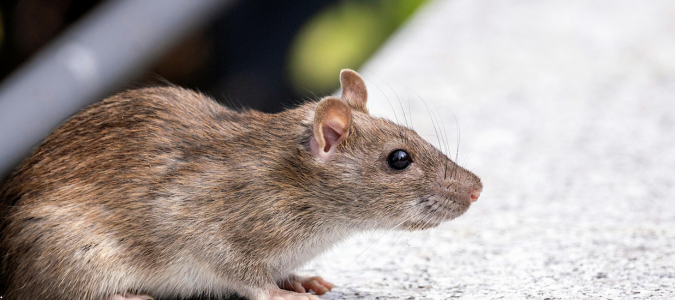
Where Do Rats Come From?

a rat

Key Takeaways

Rats are drawn to Texas homes year-round by food, water and shelter, and can squeeze through surprisingly small gaps to get inside. Sealing entry points, removing attractants and scheduling regular professional inspections are the most effective ways to keep them out.

The climate and urban growth in Texas make it all too common for homeowners to find pests entering their homes, and that includes rats. But where do rats come from in the first place? 

While they might seem to appear from nowhere, they all come from somewhere. Infestations often start outdoors, drawn by trash or pet food before moving indoors, especially through attic access. Even clean homes require the right prevention to avoid rats. Here’s what every Texas homeowner should know about these pests.

To get expert insight, we spoke with Manuel Ortiz, Certified Applicator and General Manager at ABC Home & Commercial … Read Full Post »

Vole Versus Mouse: Key Differences Texas Homeowners Need to Know

Key Takeaways

Voles and mice may look similar, but they behave very differently. Voles stick to your yard and damage grass, roots and landscaping, while mice head indoors to nest, contaminate food and spread disease. Knowing which pest you’re dealing with helps you choose the right treatment.

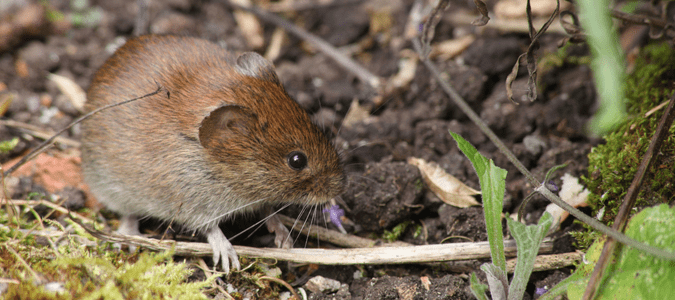
You notice winding trails in your lawn or hear scratching near the garage, but is it a mouse or a vole? Not knowing whether you’re dealing with a vole, pictured above, or a mouse can lead to the wrong treatment plan and ongoing property damage.

Texas’ climate means rodent activity can be a year-round concern. The foliage and landscaping on your property can attract a variety of rodents as well. Here’s what you should know about the differences between voles and mice to better protect your home.

To get expert insight, we spoke with Manuel Ortiz, Certified Applicator and … Read Full Post »

What Do House Mice Eat?

Key Takeaways

House mice will eat almost any food they can find, from pantry items and pet food to birdseed and garbage. Since they can survive on very little, just removing food usually isn’t enough to treat an infestation. Sealing up entry points, storing food properly and calling in professional pest control are the best ways to get rid of house mice.

Ever opened your pantry to find distinctive gnaw marks on boxes and bags? Mice are opportunistic omnivores who will eat plants, meat and just about anything else. Simply removing food from problem areas often doesn’t solve a rodent problem. 

Take a closer look at what and how often mice eat, which foods attract them the most, how to prevent an infestation and when professional rodent control is the right move.

What Do House Mice Actually Eat?

The quick answer to the common question, “What do … Read Full Post »