You catch movement out of the corner of your eye near the porch eave, and the first thought isn’t “wasp or bee.” It’s just “don’t get any closer.” Most stinging insects on a Texas property fall into a short list of categories. You can narrow down whether you’re looking at a wasp or a bee with a few quick observations. Body shape. Nest location. How it behaves when approached. If you’d rather have our Wasp & Bee Removal team in Houston confirm it and handle removal, that’s always an option too. But most of the time, where the nest is and how many insects you’re seeing matter more than the exact species. So does whether anyone in your household reacts strongly to stings.
Start With the Quick Visual Differences
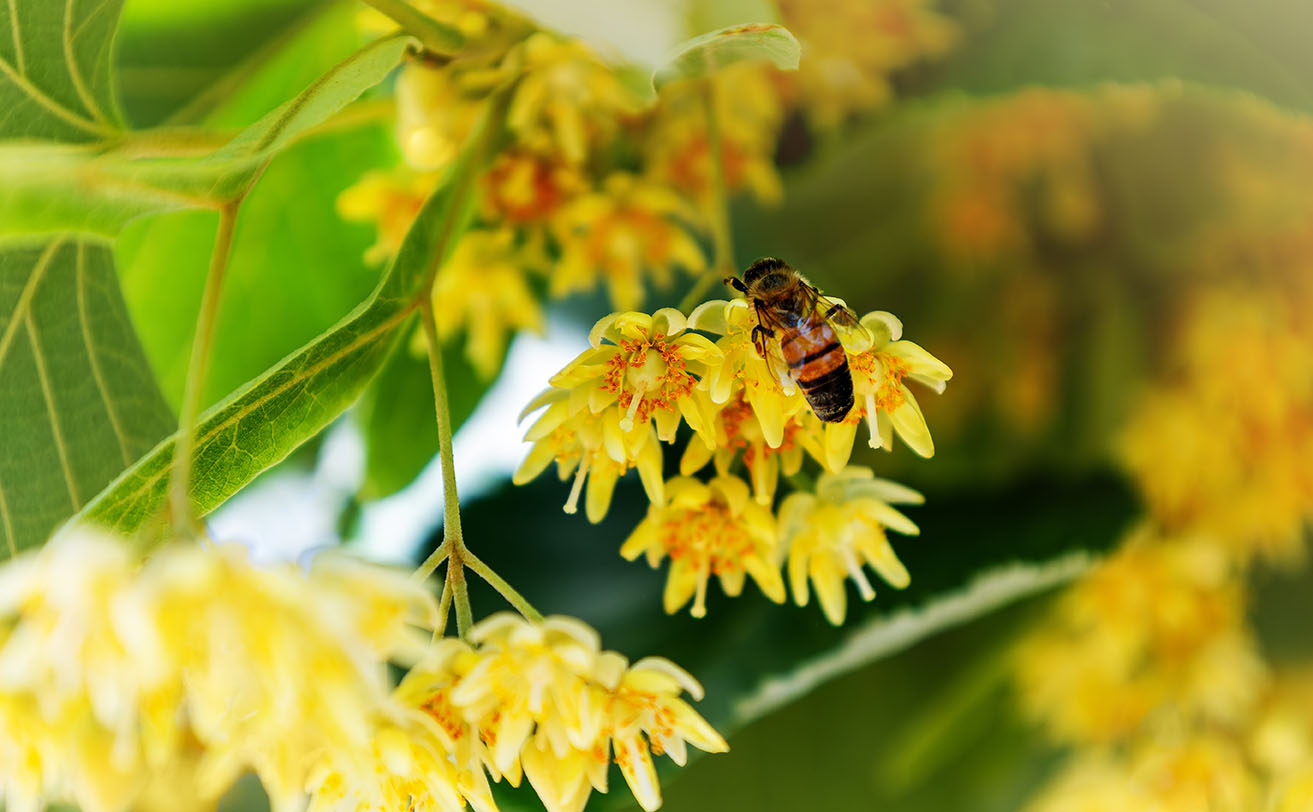
Bees are generally rounder, fuzzier, and thicker-bodied, built for carrying pollen. Wasps tend to have a smoother, more slender body with a narrower waist. They’re usually more aggressive when a nest gets disturbed. Color alone isn’t a reliable identifier. Plenty of wasps are solid black or dark, not the yellow-and-black pattern most people picture. Texas doesn’t exactly go easy on stinging-insect season, and Houston’s long, humid summers give them plenty of runway to be everywhere. Texas A&M AgriLife’s urban entomology resources cover the broader identification basics if you want a second reference point.
If you’re seeing a wasp with unusually long, dangling legs in flight, that’s often a strong clue on its own. We’ve covered that specific long-legged wasp appearance in more detail elsewhere. A solid black wasp with little visible color pattern is also common enough in Texas to warrant its own look. You’ll find that in our guide to black wasps in Texas.
Nest Shape and Location Tell You a Lot
Nest structure is often a faster identifier than the insect itself. You can usually spot a nest from a safer distance than you can inspect an insect up close.
Paper wasps build small, open, umbrella-shaped nests, often tucked under eaves or porch ceilings, with visible individual cells.
Yellowjackets build enclosed, papery nests that can be underground, in wall voids, or in dense shrubs. They’re generally far more defensive when disturbed than paper wasps.
Honeybees build structured wax comb, usually inside a cavity like a tree hollow or wall gap.
Exposed hanging nests almost always belong to a wasp, not a bee. A real hive stays enclosed.
Trying to sort out exactly which structure you’re looking at? Our side-by-side comparison of a bee hive versus a wasp nest walks through the visual differences directly. Our paper wasp versus yellowjacket comparison narrows things down further once you’ve ruled out bees.
What About the Bees Themselves?
Texas is home to a range of bee species beyond the honeybee most people picture. That includes several solitary and ground-nesting varieties that look and behave differently from a hive-building colony. If you want the fuller picture of which bees are common in Texas yards, our guide to types of bees in Texas covers that ground in more depth. AgriLife’s bee and wasp fact sheets are a useful outside reference for species-level detail.
Which Stinging Insects Are Actually Dangerous?
Most wasp and bee stings cause temporary pain and swelling. That clears up within a day or two. It’s true for the large majority of encounters. Most stings hurt for a day, then they’re done. That’s the ending for nearly everyone. So the real concern falls into two categories. A serious allergic reaction in someone who’s sensitive to stings. Or a large, defensive colony that delivers multiple stings at once.
As a mom of two, I get why this one keeps parents up at night. Anyone with a known sting allergy should carry the treatment their doctor has prescribed. Treat any sting seriously, since reactions can escalate fast. Multiple stings from a disturbed nest are also a real medical concern for anyone, allergic or not, simply because of the combined dose. Trouble breathing. Swelling beyond the sting site. Dizziness. Hives spreading away from where they were stung. Any of those means get emergency medical help right away. Don’t wait and see.
Are Ground-Nesting Wasps More Dangerous Than the Ones in Trees or Eaves?
Location changes the risk more than the species usually does. A nest tucked quietly under a porch eave, well above head height and away from foot traffic, poses less day-to-day risk. People rarely bump into it by accident. A ground nest hidden in grass, near a walkway, or close to where kids or pets play is a different situation. It’s easy to step on or mow over without seeing it. A disturbed ground colony can deliver a large number of stings very quickly, before anyone realizes what happened. If you’re noticing wasps repeatedly flying in and out of one spot in your lawn, treat that area with real caution. Keep foot traffic away until it’s addressed.
What to Do If You Find a Nest on Your Property
The first step is distance, not investigation. Keep people and pets away from the area, and don’t disturb the nest to get a closer look. Most stinging incidents happen when a nest gets bumped, brushed, or provoked, even by accident. Note where the nest is and roughly how large it looks without getting close. That information is genuinely useful if you decide to bring in a professional.
Small, newly started paper wasp nests with only a few insects present sometimes resolve on their own if left alone, especially early in the season. A larger, established nest is a different situation, especially one in a wall void, underground, or somewhere people regularly walk by. It usually warrants professional removal rather than a homeowner handling it directly. A disturbed colony can turn dangerous fast.
When to Call a Professional
If you can’t confidently identify what you’re looking at, that’s a good reason to bring in a trained technician rather than handle it yourself. So is a nest in a high-traffic area. So is a known sting allergy anywhere in the household. A professional can confirm the species and assess the size and location of the colony. They can address it with the equipment and protective gear most homeowners don’t have on hand. We’ve been doing this in Houston yards long enough, three generations of technicians now, to know that a nest tucked in the Heights or one out in Katy usually tells the same story once you know where to look.
FAQ
How can I tell a wasp from a bee?
Bees are generally rounder and fuzzier, built for carrying pollen. Wasps have a smoother, more slender body with a narrow waist. Nest structure is often the faster clue. Bees build structured wax comb inside an enclosed cavity. Wasps build open, umbrella-shaped paper nests, or enclosed papery nests that can be underground or in a wall void.
Which stinging insects in Texas are actually dangerous?
Most stings cause temporary pain and swelling that clears up on its own, regardless of species. The real danger comes from a serious allergic reaction in a sensitive person, or from multiple stings delivered at once by a large, disturbed colony. Both call for immediate medical attention if symptoms extend beyond the sting site itself.
What should I do if I find a nest on my property?
Keep people and pets away from the area and don’t disturb it to get a closer look. Note the location and approximate size without getting close. Consider professional removal for any established or hard-to-reach nest rather than approaching it yourself.
Are ground-nesting wasps more dangerous than the ones in trees or eaves?
The location matters more than the species. A nest well above head height and away from foot traffic is less likely to get disturbed by accident. A hidden ground nest near a walkway or lawn is easy to step on or mow over. That can trigger a lot of stings very quickly.
Not sure what you’re dealing with? Or found a nest somewhere you can’t easily stay clear of? Call us at (281) 730-9500 before 1pm Monday through Friday for same-day pest service. Or reach out through our Wasp & Bee Removal team page. We’ll identify it and handle the removal so no one in your household has to get close to it.