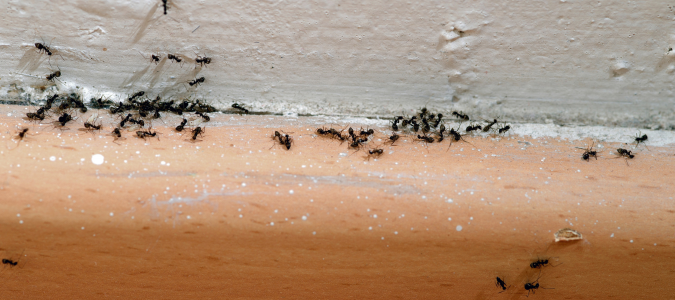
Ants keep returning as long as their colony stays active and can find entry points, food or water in your home. Baits are more effective than sprays since worker ants carry them back to the colony, and getting rid of ants long-term means identifying the species, removing the colony and sealing entry points, not just handling the ants you see.
For homeowners in Texas, it’s all too common to spray your property for ants, only to see them return shortly after. If you’re searching for “how to get rid of ants in the house,” then it’s time to take an approach that addresses both visible ants and the hidden colony.
Here’s a closer look at how to best handle an ant infestation, from dealing with the different ant species to taking simple but effective steps to protect your home. It’s also essential to learn which signs to watch for to know when it’s time for professional ant treatment.
Why Are Ants Coming Into Your House?
Ants in your home can come as a sudden surprise, but they aren’t showing up out of nowhere. Instead, they’re usually coming into your house to look for the following:
- Food
- Water
- Shelter
This means prevention should be implemented with those details in mind.
They’re Looking for Food
Ants can travel large distances in search of food. Energy-dense sources like sugar and grease are particularly alluring. They can also seek out pantry items, especially if they aren’t properly sealed. Any food left out, whether pet food or just a few crumbs in your kitchen, can draw ants into your home if they have a way inside.
They’re Searching for Water
Water is just as important to ants as food. Your home could host a wide range of water sources, with even droplets in bathrooms and kitchens being enough for ants. Any leaky pipes throughout your home can also serve as a water source. Utility rooms are particularly vulnerable, with leaks, condensation and drains all posing risks.
They’re Looking for Shelter
Ants also require shelter, with different species creating a variety of nests and tunnels. When Texas heat and dry conditions peak in late summer, colonies can seek out cooler and moister shelter in your home. Heavy rains cause flooding that drives ants indoors. Ant colonies naturally grow in spring and early summer, encouraging new exploration.
Identify the Type of Ant Before You Treat It
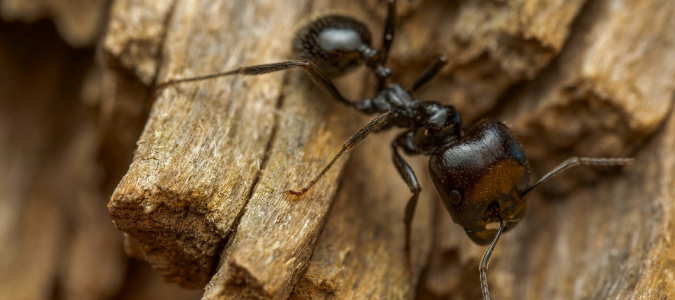
Ants aren’t all the same. There are countless ant species around the world, with many of them active in Texas. Some of the most common include red fire ants, tawny crazy ants and pharaoh ants. They have different feeding, nesting and activity patterns, so knowing which you’re dealing with is critical for effective treatment.
The diversity of ant species and their behavior means that the best way to tackle an infestation is calling in the professionals. They will identify the specific ants in your house and provide targeted treatment.
How to Get Rid of Ants in the House
Wondering how to get rid of ants in the house? In general, this process includes these five steps:
- Find where they’re entering
- Clean away food sources
- Use ant baits instead of sprays
- Seal entry points
- Remove outdoor conditions attracting ants
Taking these steps together can help you address both current and new infestations. Keep in mind that serious ant problems often call for professional treatment.
Step 1: Find Where They’re Entering
Ants can enter your home through gaps around windows, door frames, utility penetrations and plumbing. That also includes seemingly tiny foundation cracks. To track them down, use this checklist:
- Follow the trail
- Check exterior walls
- Inspect kitchen plumbing
- Examine weather stripping
This can reveal where the colony is, or highlight what’s drawing them into your home.
Step 2: Clean Away Food Sources
Make sure that you aren’t leaving crumbs or sticky surfaces behind. Ideally, store food items in airtight containers. Empty your trash regularly and clean under appliances. Additionally, don’t spray ammonia cleaners on trails before treatment if you’re trying to locate the colony.
Step 3: Use Ant Baits Instead of Sprays
Bait is typically more effective than sprays because worker ants carry it back to the colony. While this approach tends to be slower, it can provide more reliable results. Spraying ant trails only deals with those specific ants, leaving the colony untouched.
Step 4: Seal Entry Points
Seal up any entry points to keep ants out of your home. Silicone caulk is often the best choice for cracks and pipe penetrations. Gaps around windows are another common issue. Check that door sweeps and weather stripping are in good condition.
Step 5: Remove Outdoor Conditions Attracting Ants
Avoiding standing water and outdoor trash can help keep ants away from your property in general. You should also avoid mulch against the foundation or firewood storage near your home, as both provide ideal habitats for ants. Tree branches touching your roof are another way ants can reach your home, so trim them back.
Common Mistakes That Make Ant Problems Worse
Unfortunately, many homeowners end up wasting their time and potentially making problems worse through these seven common pitfalls:
- Treating only visible ants
- Spraying trails immediately instead of letting them return bait
- Ignoring outdoor nests
- Mixing multiple insecticides
- Not replacing bait
- Leaving pet food out overnight
- Failing to identify the species and not implementing proper treatment
These mistakes can create an even worse ant problem over time. Instead, it’s often better to go with professional treatment so that the proper methods are used.
How Long Does It Take to Get Rid of Ants?
It’s important to remember that taking care of ants completely takes some time. After treatment, you may notice visible ant trails disappear within one to seven days. However, lasting colony reduction will take one to three weeks, as foraging ants must return a certain amount of bait to the colony.
Large infestations can be more challenging, potentially taking three to six weeks. This varies depending on the colony size and the species. Some colonies can have multiple queens or interconnected nests, making them harder to get rid of. Ongoing treatment and monitoring may be required to fully resolve an ant problem.
How to Prevent Ants From Coming Back
Even if you deal with ants currently in your home, more can come back if you don’t take preventive action. Here are some steps to take throughout your home and property to help keep ants out of common hotspots.
Kitchen
Keeping ants from coming back starts in the kitchen. Make sure to clean nightly, wiping up any crumbs or spills. Store pantry goods and pet food in sealed containers and empty your garbage regularly. Repair any leaks quickly to remove water sources.
Bathrooms
Bathrooms are another key area. Avoiding excess moisture by running the bathroom fan regularly can help. Wipe up any standing water instead of waiting for it to dry. Fix leaking pipes and dripping faucets before they can draw ants in.
Exterior
Ants will be less likely to approach and enter your home if you trim vegetation back from exterior walls. Ants enter incredibly small gaps, so proper sealing around utility penetrations and cracks is essential. Dealing with standing water on your property will also help reduce outdoor ant activity.
When DIY Isn’t Enough
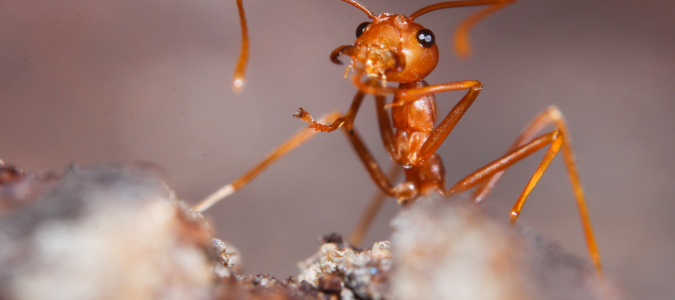
Certain situations call for immediate professional treatment. If you have carpenter ants, you need a solution to avoid lasting property damage. Fire ants indoors are another serious problem. Any type of ants with multiple colonies or that keep coming back every few weeks likely require professional treatment, too.
Ants inside your walls are another sign to watch for, as they can damage a wide range of materials. This is also true if they’re active around electrical equipment, which can pose a potential fire risk. If you’ve tried DIY solutions and they haven’t worked, reaching out to the professionals is your best bet.
Frequently Asked Questions
Why Do Ants Keep Coming Back?
Is Vinegar Enough to Eliminate an Ant Colony?
Should I Spray Ants or Use Bait?
What Attracts Ants Into a Clean House?
How Long Do Ant Baits Take to Work?
Can Ants Damage My House?
Not Sure How to Get Rid of Ants in the House? The Pros Can Help
To get ants out of your house for the long term, you’ll need to identify the species and focus on removing the entire colony. Cleaning any food or moisture and sealing entry points are essential steps.
If ants keep showing up in your Texas home, scheduling a professional inspection from the experienced team at ABC Home & Commercial Services can help you tackle the problem.
