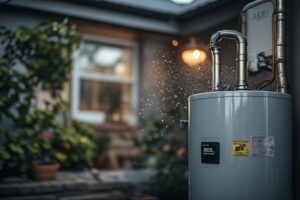
When your hot water heater stops working, the cause is often something simple like a tripped breaker, a pilot light issue or sediment buildup. But, if you notice leaking, gas smells or electrical problems, it’s time to call a pro. Regular maintenance like annual flushing and routine inspections can help prevent most problems before they happen, especially in Texas, where hard water is hard on water heaters.
When your hot water suddenly stops working, you notice it fast. The shower turns cold, and the sink doesn’t warm up. Then, simple tasks like washing dishes suddenly become frustrating. A water heater problem rarely gives much warning. When it happens, most homeowners want to know right away whether they’re dealing with a minor issue or something more serious.
In Texas, water heaters often deal with extra wear because of hard water, mineral buildup and years of steady use. An older unit may struggle quietly for a while before finally stopping, especially when demand is high or temperatures shift. Sometimes the issue is as simple as lost power or a pilot light that has gone out. Sometimes it points to a failing part inside the heater itself.
A few basic checks can help narrow down what’s happening, but some water heater problems need attention sooner rather than later. This is especially true if there are signs of leaking, electrical trouble or gas issues. Knowing what to look for first can help you decide whether to troubleshoot yourself or call in a plumber.
In many homes, the most common causes are power interruption, thermostat failure, sediment buildup, heating element problems or tank wear.
Common Reasons Your Hot Water Heater Isn’t Working
When a water heater isn’t heating, the cause often depends on the kind of system you have. What causes trouble in a tankless unit isn’t always the same thing that affects a traditional gas or electric tank. The first step is understanding what type of heater you have.
According to Michael Marugo, Plumbing Operations Manager at ABC Home & Commercial Services, tankless water heaters most often run into trouble because of scale buildup. In central Texas, mineral-heavy water can slowly coat internal parts and reduce performance over time. Tankless systems also rely on electrical components and onboard controls, so even if the plumbing side of the unit is fine, something as simple as a tripped breaker or GFCI outlet can stop it from heating.
After a power outage, homeowners are sometimes surprised to find they don’t have hot water simply because the unit has lost power and the internal computer cannot operate. For electric tank-style heaters, failed heating elements and thermostats are among the most common reasons hot water suddenly disappears. In gas models, the pilot light or thermocouple is often the first place plumbers look when a unit stops heating.
Electric tankless heaters tend to be a separate category altogether. They may technically be working, but still struggle to keep up with normal household demand because they require a large electrical load that many homes aren’t built to supply consistently. Even when the unit itself is functioning properly, limited electrical capacity can lead to underperformance, especially when more than one fixture is calling for hot water at the same time. That is why some homeowners experience weak or inconsistent hot water even when their system is relatively new.
A few common issues can cause a water heater to stop producing hot water in Texas homes. These include:
- Power or gas supply issues
- Thermostat problems
- Sediment buildup
- Broken heating element or burner
- Tank leaks or internal damage
Let’s examine these in more detail.
1. Power or Gas Supply Issues
Sometimes the problem starts with something simple: the water heater is not getting the power or fuel it needs to heat water. Electric units can stop working after a breaker trips, especially after a storm, a power surge or heavy appliance use. In some homes, the heater itself is fine, but the circuit has shut off and needs to be reset. If the breaker is on and the unit still isn’t heating, a failed heating element may be the reason, especially if the water is lukewarm but never gets hot.
Gas water heaters have their own set of common interruptions. A pilot light can go out without much warning, and when it does, the burner cannot ignite. In other cases, the gas valve may not be delivering fuel the way it should. If you have a gas unit and suddenly lose hot water, it’s worth checking whether the pilot flame is still visible before assuming something larger is wrong.
A few things homeowners can check first include:
- ✓Look at the breaker panel and see if the water heater breaker has tripped
- ✓Test another hot water faucet to rule out a fixture-specific issue
- ✓Check whether the pilot light is lit on a gas unit
- ✓Make sure the gas shutoff valve is fully open
- ✓Listen for unusual clicking, humming or silence from the unit
If resetting a breaker doesn’t restore hot water or if the pilot light will not stay lit, it’s time to call in a pro. Anything involving internal wiring, heating elements or gas connections should be left to a licensed plumber.
2. Thermostat Problems
A thermostat issue can be easy to miss because the water heater may still seem like it is working, just not the way it should. Instead of completely losing hot water, you may notice the temperature never gets fully hot. Or, it may change from one shower to the next without any clear reason. In electric tank water heaters, thermostats control when the heating elements turn on and how long they stay active, so even a small failure can affect them.
Sometimes the setting itself is the issue. If the temperature is too low, the water may feel only slightly warm. This is more common during colder mornings or when several people shower or use hot water back to back. In other cases, the thermostat may stop responding correctly and fail to signal the heater to warm the water.
Signs that often point to a thermostat problem include:
- ✓Water that feels lukewarm instead of hot
- ✓Hot water that runs out faster than usual
- ✓Temperature that changes unexpectedly from one use to the next
- ✓A heater that seems to recover slowly after use
If the thermostat is faulty, replacement is usually straightforward for a licensed plumber. This isn’t something homeowners should attempt on their own because live electrical components sit behind the access panels.
3. Sediment Buildup
In Texas, hard water is one of the most common reasons a water heater slowly stops performing the way it should. Minerals like calcium and magnesium settle at the bottom of the tank over time. Then, they form a layer that makes it harder for the burner or heating element to warm the water efficiently. The heater has to work longer, use more energy and push through that buildup every day.
One of the first signs is noticing a different sound. Homeowners often hear rumbling, popping or knocking noises coming from the tank, especially when the unit is heating. That sound usually means water is pushing through hardened sediment at the bottom. As buildup gets thicker, hot water recovery slows down. Eventually, the heater may not produce enough hot water for normal household use.
Common signs of sediment buildup include:
- ✓Rumbling or popping noises from the tank
- ✓Hot water running out faster than usual
- ✓Longer wait times for hot water
- ✓Rising energy use without another clear cause
If sediment has been building, flushing the tank may help. In older systems, the buildup can affect internal parts and shorten the life of the heater.
4. Broken Heating Element or Burner
When there is no hot water at all, or only a small amount, a failed heating component is often the reason. In electric water heaters, heating elements inside the tank do the work of warming the water. If one fails, you may still get some hot water, but not enough. If both fail, the tank stops heating completely.
Gas water heaters rely on a burner assembly instead of electric elements. If the burner doesn’t ignite properly or cannot stay lit, the tank will not heat the water the way it should. Sometimes the problem begins with ignition. Other times, the burner itself has worn down enough that heating becomes unreliable.
Signs a heating element or burner may be failing include:
- ✓No hot water anywhere in the house
- ✓Water that starts warm but cools quickly
- ✓Longer recovery time between uses
- ✓A heater that seems to run but does not fully heat
Because these parts involve live electricity or gas components, this is when a plumber should take over.
5. Tank Leaks or Internal Damage
A leaking water heater usually means the problem has moved beyond a simple part replacement. Sometimes the leak comes from a loose connection or valve near the unit. When water is escaping from the tank itself, the inside may already be compromised. That often happens after years of mineral buildup, internal corrosion or normal wear that slowly weakens the metal.
The first signs are often easy to overlook. A small amount of water near the base of the heater may seem minor at first, but even a slow leak can point to internal damage. Rust around fittings, corrosion near the bottom of the tank or discoloration in the water can also indicate the inside of the heater is beginning to break down.
Watch for these visual signs:
- ✓Water pooling around the base of the heater
- ✓Rust streaks or corrosion on the tank or nearby fittings
- ✓Moisture that keeps returning after cleanup
- ✓Water that looks rusty when first running hot
Once the tank itself begins leaking, replacement is usually the more practical option. A leaking tank cannot be repaired. Waiting too long to replace it can lead to floor damage, mildew or an abrupt larger leak when the tank finally gives way.
Quick Troubleshooting Checklist Before You Call a Plumber
Before assuming the water heater has failed, there are a few checks worth trying at home, while being cautious. Water heaters involve electricity, gas, heat and pressure.
According to Marugo, homeowners should avoid digging too far into the unit, especially with electric models, because live 240-volt power sits behind access panels.
For electric tank water heaters, one simple thing you can try is pressing the reset button. It works a lot like the reset button under a garbage disposal. If the heater has tripped internally, this may restore hot water.
For gas units, checking whether the pilot light is lit is a good first step. Instructions for relighting it are usually printed directly on the heater near the burner compartment. If the pilot relights and stays on, the system may recover normally. If it goes out again, it’s time to call in a pro.
Tankless systems can sometimes be reset without service, especially after a power outage or when a nuisance error code appears during very cold weather. In many cases, a simple hard reset or power cycle is enough. Because every model is different, homeowners can usually find reset instructions by searching the manufacturer and model number. If the unit still shows errors or doesn’t restart, deeper troubleshooting should be left to a plumber.
Some quick checks before calling a plumber include:
- Check the breaker panel for a tripped circuit
- Press the reset button if your electric heater has one
- Inspect the pilot light on a gas unit
- Look around the base of the heater for leaks
- Test hot water at another faucet in the house
If those checks don’t change anything, the problem likely involves a component that needs professional testing or repair.
When to Call a Professional Plumber
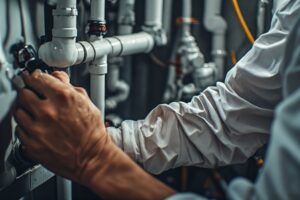
If you have gone through the basic checks and the water is still cold, it’s typically time to call in a professional. A water heater can look fine from the outside and still have a failed thermostat, a burned-out heating element, a bad gas control valve or an internal issue that isn’t visible without testing.
If the pilot light won’t stay lit, if you smell gas or if the burner is not responding normally, it’s better to leave it and call in a pro. The same goes for electrical problems. A breaker that keeps tripping and inconsistent heating often point to internal electrical failure that should be handled by a plumber.
Leaks, rust or moisture around the tank also deserve attention. Once the tank itself begins to fail, the situation can change fast. A licensed plumber will start by running diagnostics to determine whether hot water heater repair makes sense or whether replacement is the better next step.
This includes checking whether power or gas is reaching the unit correctly, testing individual components and making sure the system is operating properly before recommending what to do next. In many cases, the biggest value is knowing exactly what failed and whether fixing it still makes sense for the age of the heater.
Repair Versus Replacement: What Makes More Sense?
Not every water heater problem means you need a new unit, but age matters more than many homeowners expect. Once a traditional tank water heater reaches about 7 to 10 years old, plumbers start looking at repairs differently.
Marugo explains that with older gas tank heaters, repairs involving parts outside the tank, like a burner or pilot assembly, can still make sense. But, once the repair requires removing internal components such as dip tubes, anode rods or gas controls connected directly to an aging tank, the risk changes. A repair may buy some time, but it can also disturb an older system enough that a leak shows up soon after. The same thinking applies to electric tank heaters. Thermostats are often worth replacing because they sit outside the tank, but heating elements are threaded directly into it, and removing them from an older unit can sometimes create new problems.
Tankless systems are a little different because many carry longer warranties, often 10 years or more, with some components covered even longer. Replacing a blower or burner on a tankless heater often makes more sense if the rest of the unit is still in good shape. In general, newer systems with isolated part failures are usually worth repairing. For older tank heaters that are leaking or breaking down regularly, replacement is usually the smarter choice.
When Repair Is the Better Option
Repair makes sense when the problem is limited to one component and the rest of the system is still in solid shape. A newer water heater that has a failed thermostat, pilot assembly, burner or external control part often has plenty of life left. Replacing that part can restore normal performance without having to do a full replacement.
If the unit is under 7 years old and has not had repeated trouble, most plumbers will usually look at repair first, especially if the tank itself shows no signs of rust, leaking or internal wear.
When Replacement Is Smarter
Replacement becomes the better call when the heater has started breaking down more than once, especially if different parts are failing close together.
A major leak almost always moves the decision toward replacement because a leaking tank often can’t be fully repaired. Rising energy bills can also mean your water heater is working harder than it should due to age, sediment buildup or declining efficiency. In many cases, replacing an older system ends up costing less over time than continuing to patch an older unit.
How to Prevent Future Water Heater Problems
Most water heater failures build slowly. The unit keeps working, sediment keeps collecting, parts wear down quietly and then one day there is no hot water. That’s why regular maintenance matters more than most homeowners realize, especially in Texas where hard water puts strain on both tank and tankless systems.
Flushing the heater once a year is a good start, but it shouldn’t be the only thing being checked. Tank-style water heaters also rely on an anode rod, a metal rod inside the tank designed to corrode first so the tank itself does not. Every two to three years, that rod should be inspected while the heater is being serviced. If it’s more than halfway worn down, replacing it helps protect the tank from internal corrosion. If it’s ignored too long, the water eventually starts attacking the inside of the tank itself. This can shorten the heater’s lifespan.
Tankless systems need more than descaling, too. Screens and filters should stay clean, vents should be checked for insects or debris and the fan and gas components should be inspected. A full system check every few years often catches small issues before they turn into expensive repairs.
A few habits that help extend water heater life:
- Flush the system once a year to reduce mineral buildup
- Inspect or replace the anode rod every two to three years
- Keep the temperature set around 120 degrees for efficiency and safety
- Schedule periodic inspections, especially on older systems
- Have tankless units checked for vent and filter buildup
Regular maintenance goes a long way, and the water heaters that last the longest usually get more than just an occasional flush.
Types of Water Heaters (And Why Yours Might Be Failing)
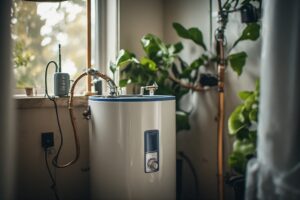
Not all water heaters fail the same way, which is why the type you have matters. A traditional tank water heater stores heated water and keeps it ready until you need it. A tankless system heats water on demand, which means it relies more heavily on sensors, internal controls and steady power to operate.
Tank-style heaters usually fail because of sediment buildup, worn heating elements, thermostat problems or aging internal parts. Gas tank models often run into pilot light or burner issues. Electric tanks are more likely to have trouble with heating elements or thermostats.
Tankless systems tend to fail differently. Scale buildup is one of the most common problems, especially in hard water areas. Electrical interruptions, venting problems or internal error codes can also stop them from working.
Fuel type also changes what goes wrong most often. Gas units depend on ignition and fuel flow, while electric systems depend on breakers, wiring and heating components. Knowing which type you have helps narrow down the problem.
Emergency Water Heater Issues: What To Do
Some water heater problems shouldn’t wait, especially if you see leaking water, smell gas or hear unusual sounds coming from the unit.
If your water heater is actively leaking, shut off the water supply to the heater first. Most units have a valve on the cold water line above the tank. If the issue involves electricity, turn off power at the breaker. For a gas heater, shut off the gas supply if you suspect a gas-related problem or smell anything unusual near the unit.
After that, avoid using the system until it has been checked. Don’t try to relight the burner, reset breakers repeatedly or force the water heater to run. Emergency plumbing service is the best step if there’s active leaking, a gas concern or a complete system failure.
Frequently Asked Questions
Why is my hot water heater suddenly not working?
How long should a water heater last in Texas?
What To Do When Your Water Heater Stops Working
When a water heater stops working, the main thing most homeowners want is clarity: is this something simple, or is the unit starting to fail? A few checks can help narrow it down, but if hot water doesn’t return, or if there are signs of leaking, gas issues or electrical trouble, it’s time to call in a pro.
ABC Home & Commercial Services provides water heater repair and replacement in Texas, including 24/7 emergency plumbing support. A licensed plumber will diagnose the issue, explain whether repair still makes sense and recommend the next steps with clear pricing before work begins.