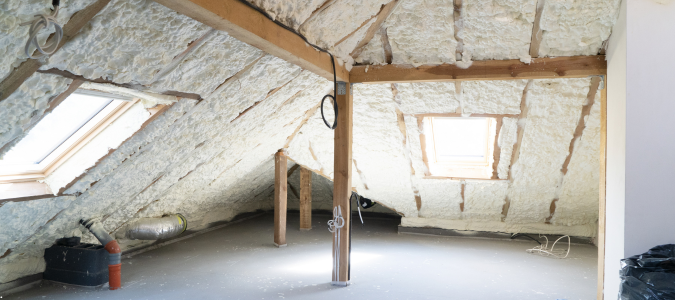
Mice often enter attics through small openings around roofs, vents and utility penetrations. Identifying and sealing these entry points is the best way to prevent infestations and protect your home from damage.
How do mice get in attics? They can easily squeeze through even the smallest gaps and are drawn to your attic for protection, nesting material and to avoid Texas weather conditions. Even if your home seems secure, you’d be surprised by how many mouse entry points you have. Understanding mice in attics can help you learn how to keep them away for good.
To get expert insight, we spoke with Manuel Ortiz, Certified Applicator and General Manager at ABC Home & Commercial Services.
The Most Common Ways Mice Get Into Attics
“Mice will normally target entry points on the lower portion of your home. Once they’re in the walls, they make their way to the subfloor or attic. Sometimes they’ll climb trees and branches to gain access to the attic as well,” says Manuel Ortiz.
Knowing how mice enter homes is the first step to keeping them out. Here are some of the most common entry points for attic rodent infestations:
- Roofline gaps and missing shingles
- Damaged soffits and fascia boards
- Attic and gable vents
- Utility and plumbing penetrations
- Garage-to-attic access points
Identifying these areas around your home and addressing them can help stop mice from getting inside in the first place.
Roofline Gaps and Missing Shingles
It’s easy to overlook small roof defects, but even minor gaps can let mice in. They can find their way onto your roof by climbing brick, stucco, siding or nearby trees. This is particularly true for older Texas homes after storms, where damaged shingles and flashing can expose gaps.
Damaged Soffits and Fascia Boards
The soffits underneath your roof overhang and fascia lining the roof edge are common entry points, as they can suffer water damage over time. Anywhere around the gutters and roof edges can soften over time, letting rodents work their way in more easily.
Attic Vents and Gable Vents
Vents are necessary to keep your attic cool and regulate humidity, but they can become potential entry points if they aren’t maintained. Mice can enter through:
- Torn screens
- Loose vent covers
- Ridge vents
The warm, humid air leaving the ridge vent can attract pests, and mice can often chew through thin mesh coverings.
Utility and Plumbing Penetrations
Anywhere HVAC lines, plumbing or cables enter your home is a potential entry point if not properly sealed. Mice can squeeze through tiny gaps beside these. This applies to both attic connections and any penetrations closer to the ground. Solar panel penetrations are another important area to inspect and seal.
Garage-to-Attic Access Points
Rodents often enter garages first, with poor weatherstripping offering potential gaps and any garbage left inside drawing them in. From there, mice will explore and quickly find any shared framing gaps or unsealed attic hatches. Once inside the attic, they can go on to access the rest of your home.

Can Mice Really Climb Into Attics?
How do mice get in attics? It might be surprising, but climbing is one of the most common methods. Mice are able to climb many surfaces that might seem impossible, including brick. These tiny, light creatures require very little to get a good grip. They’ll also quickly find their way up nearby trees and out onto limbs hanging over your roof.
Mice can also travel on power lines. Just like when you see birds resting on power lines, mice are able to navigate these wires without getting shocked because they aren’t in contact with the ground or other surfaces. Some types of mice can jump over a foot vertically or two feet horizontally.
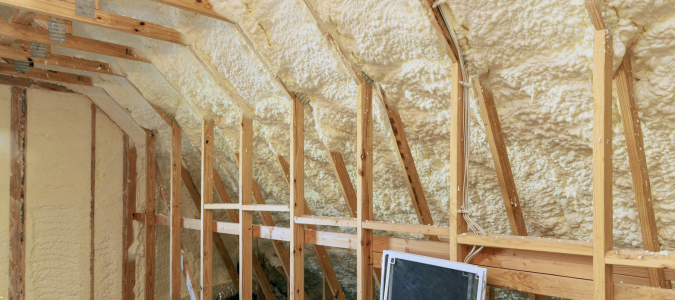
Signs You May Have Mice in the Attic
“Noises in your attic, trails in your insulation and droppings in your attic are all signs of having mice,” says Manuel Ortiz.
Rodent infestations can quickly get out of hand, so it’s best to watch for these signs of mice in attics and act right away if you notice any:
- Scratching noises at night
- Droppings and trails near insulation or storage
- Strong ammonia-like odors
- Chewed wires or nesting material
Don’t ignore these indicators that you could have an ongoing mouse issue.
Scratching Noises at Night
Mice are nocturnal, so they often sleep during the day and look for food at night. While you’re trying to sleep, you may notice scratching noises as they move about the attic and through your walls, and they will be much quieter during daylight hours.
Droppings Near Insulation or Stored Boxes
You can check your attic for visible mouse droppings. You may notice them near insulation, which is an ideal nesting material for mice. Likewise, droppings are common around stored boxes that mice can explore for nesting materials and food. Take the necessary precautions when cleaning droppings or soiled material, as mice can carry a variety of diseases.
Strong Ammonia-Like Odors
Mice can urinate in attic insulation, and over time, that builds up. You can find yourself with a strong ammonia-like odor in your attic. This is an indicator that you have an ongoing infestation, and you will likely need new insulation.
Chewed Wires or Nesting Material
Check any exposed wiring for signs of bite marks and gnawing, but be careful not to handle damaged wiring. It poses both shock and fire hazards, and chewed wiring behind walls can lead to potential fires. Mice can also move potentially flammable nesting material into wall cavities and hidden areas.
Why Attic Mice Problems Are Common in Texas Homes
Texas is home to many types of mice. However, chances are that the ones you’re dealing with are common house mice. These rodents seek out nesting areas indoors and can be driven by droughts to find water. The mild winters in Texas let them breed year-round, which can make them a problem just about any time of year.
Rapid suburban development leaves less outdoor habitat for mice and makes them more likely to try to enter homes. Oak trees are common fixtures in Texas yards, and these tall trees can let rodents jump onto your roof. The pier-and-beam construction used in many Texas homes also offers easy access to crawl spaces for rodents.
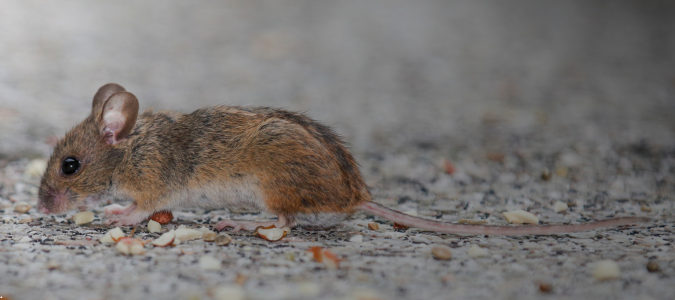
How to Keep Mice Out of Your Attic
Understanding how to keep mice out of attics can help you avoid dealing with an infestation.
“It’s not a matter of if, it’s a matter of when. Mice and rats can make their way into your attic. ABC Home & Commercial Services offers a great rodent management program that reduces rodent activity and helps keep rodents out of your home,” says Manuel Ortiz.
These tips can stop the problem before it starts:
- Seal entry points
- Trim trees away from your roof
- Reduce food and water sources
- Schedule professional rodent exclusion
If you’re concerned about mice, then following these steps is practical preventive advice.
Seal Entry Points
Sealing entry points with the right materials can keep mice out. Steel mesh and hardware cloth are common options that stand up to rodents. For smaller gaps, silicone sealants often work. Professional exclusion work is the most effective option, as professionals will identify entry points you might have overlooked.
Trim Trees Away From the Roof
Overhanging branches let mice and other pests quickly access your roof. Ideally, you should trim back tree branches at least four feet from the roof. This will help deter pests and also reduce your risk of storm damage.
Reduce Food and Water Sources
Getting rid of food sources and garbage around your property will make it less attractive to mice. Avoid keeping pet food outside, and remove bird feeders if mice are becoming a concern. Keep your garage clean and tidy, and don’t leave your trash outside where its scent can attract rodents.
Schedule Professional Rodent Exclusion
Trapping alone often fails because it doesn’t address the underlying cause behind the infestation, allowing the mouse population to quickly rebound. Having a professional inspect your home can help identify the entry points and risk factors causing your mouse problem. From there, they can take steps to prevent recurring infestations.
What Our Customers Say
“We’ve worked with ABC for our home pest control service for over 10 years, and have nothing but good things to say. They’re incredibly professional, reasonably priced and also – it works. In spite of living in an area abundant with potential pests, ABC has kept us pretty pest-free.”
— Greg M.
What Happens if You Ignore Mice in the Attic?
Ignoring a mouse sighting or other signs can be a big mistake, as there are typically many more mice hiding. House mice take just 21 days to gestate, leading to many breeding cycles throughout the course of the year. This allows populations to grow rapidly if they aren’t dealt with.
Left unchecked, mice can contaminate insulation in your attic with their waste. This contamination can spread throughout your home’s HVAC system. They gnaw at structural components, which can result in costly repairs. That also includes potential damage to electrical wiring and the accompanying fire risks.

DIY Versus Professional Mouse Removal
You’ll find plenty of DIY approaches that may seem to work at first. However, they typically only offer temporary relief as they don’t address the root cause. Without thorough inspection and careful sealing of entry points, you can find yourself dealing with another rodent infestation before you know it.
Professional exclusion is a much more effective approach. It focuses on long-term prevention, starting with a full-home inspection. From there, professionals can seal access points to keep mice out.
Frequently Asked Questions
How Small of a Hole Can a Mouse Fit Through?
Do Mice Stay in Attics During the Day?
Will Mice Leave on Their Own?
Can Mice Damage Insulation?

Keep Mice Out of Your Attic Before They Get Out of Hand
Mice can find their way into your attic through tiny gaps, especially if nearby branches provide easy roof access. Dealing with these entry points and taking preventive steps is better than endless trapping. Scheduling a professional inspection can help identify problems and address them before infestations get out of hand.