Too much or too little compost can hurt your lawn or garden, so getting the amount right matters. The right amount depends on whether you’re working with a lawn, garden bed or clay soil.
Curious about nourishing your garden with compost, but not sure where to start? If you’re wondering how much compost you need, it depends on three things:
- The size of your space
- How deep you want to apply the compost
- Whether you’re working with a lawn, garden bed or heavy clay soil
Keep reading to learn everything you need to know about applying the right amount of compost. This guide includes a simple calculation formula, a compost calculator, a compost depth chart, a lawn versus garden breakdown and how to adjust for Texas’s clay soil.
It also includes expert insights from J Zambo, Lawn & Tree Division Manager at ABC Home & Commercial Services. He is an ISA Certified Arborist, ISA Qualified Tree Risk Assessor and recently received his Prescription Pruning Qualification through the Texas ISA Chapter.
The Simple Formula to Calculate How Much Compost You Need
J Zambo explains, “For gardens, compost is usually mixed into the soil. The typical recommendation is 2 to 4 inches of compost incorporated into the top 6 to 8 inches of soil.”
This is the correct formula to use to calculate how much compost you need for your space:
Length (ft) × Width (ft) × Depth (ft) = Cubic Feet
Next, convert cubic feet into cubic yards:
Cubic Feet ÷ 27 = Cubic Yards
Compost depth is typically measured in inches, so you’ll need to convert inches into feet before you can calculate compost volume. For example:
1 inch = 0.083 ft
2 inches = 0.167 ft
3 inches = 0.25 ft
Example Calculation (Garden Bed)
Let’s say you want to apply a two inch layer of compost to a 10 ft × 4 ft garden bed. The first step is to convert the compost depth to feet.
2 inches = 0.167 ft
Next, calculate the cubic feet:
Calculation
10 × 4 × 0.167 ≈ 6.68 cubic feet
You would need approximately 6.68 cubic feet of compost, which you would then convert to cubic yards:
Calculation
6.68 ÷ 27 ≈ 0.25 cubic yards of compost
If you’re purchasing standard 1 cubic foot compost bags:
6.68 cubic feet ≈ 7 bags
You would need approximately 7 standard compost bags.
If you’d rather avoid doing the calculations, use our compost calculator to estimate the amount of compost needed for your lawn, garden beds or landscaping project.
Compost Depth Chart (Quick Reference)
Recommended Compost Depth by Project Type
How Much Compost Do I Need for a Garden?
How much compost you need for your garden depends on whether you have raised beds, an in-ground vegetable garden or flower beds.
For New Raised Beds
The amount of compost you need for a raised bed depends on whether you’re filling the entire garden with compost-rich growing mix or amending existing soil in the bed. It’s generally not a good idea to fill raised beds with 100% compost. Using too much can create drainage issues over time.
Instead, balance compost use with topsoil and an aeration material, such as coarse sand, pine fines or expanded shale. Compost should make up around 30 to 40% of your soil mix.
Here are example calculations for standard raised bed sizes:
4×8 Raised Bed
A standard 4×8 raised bed filled to 12 inches deep contains:
Calculation
4 × 8 × 1 = 32 cubic feet
That equals:
32 ÷ 27 ≈ 1.19 cubic yards
If compost makes up 30 to 40% of the blend, you would typically need about 0.35 to 0.50 cubic yards of compost.
4×12 Raised Bed
A 4×12 bed filled to 12 inches deep contains:
Calculation
4 × 12 × 1 = 48 cubic feet
That equals:
48 ÷ 27 ≈ 1.78 cubic yards
For a typical raised bed soil blend, you would usually need about 0.55 to 0.75 cubic yards of compost.
If you’re amending existing soil rather than filling an entirely new bed, you’ll need less compost. Typically, a two to three inch layer incorporated into the top several inches of soil is sufficient.
For In-Ground Vegetable Gardens
When you plant in-ground gardens in Texas, consider the clay-heavy soil conditions when incorporating compost. The difference with clay soil is that it compacts easily, drains slowly and hardens in dry weather.
Compost is beneficial in clay soil because it helps to loosen the soil, increase water ventilation and improve airflow. However, you still need to be careful about how much you apply, as more isn’t always better.
When you apply too much compost to a dense soil like clay, it creates layers that make it hard for water to move through, hurting drainage.
Like with raised beds, the ideal amount of compost for an in-ground garden is 30 to 40% of the soil mix.
A good guideline is to apply two to four inches of compost and mix it into the top six to eight inches of soil.
For Flower Beds
Flower beds need lower compost depth than raised beds or in-ground gardens, as flowers have lower nutritional demands. In fact, most flower gardeners use compost as a seasonal top-dressing rather than planting with compost.
One to two inches of compost applied on top of your soil is enough to retain the soil’s texture, improve moisture, suppress weeds and support healthy bloom growth. Most gardeners apply compost to their flower beds in the spring before adding mulch.
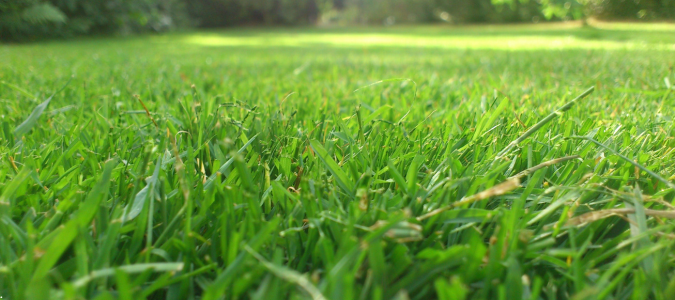
How Much Compost Do I Need for My Lawn?
Similar to flower beds, lawns need less compost than gardens because it’s used as a helpful top dressing across the surface rather than mixed into the soil.
Lawn Topdressing
Using compost as a lawn topdressing improves soil structure, increases water infiltration, reduces soil compaction, feeds beneficial microbes and encourages deep grass root growth.
A standard lawn top dressing application is one-quarter to one-half inch thick. The quick formula for lawns is:
Square Footage × Depth (in inches ÷ 12) ÷ 27
For example, a quarter-inch compost application over a 1000 square-foot lawn equals:
1000 × 0.25/12 ÷ 27 ≈ 0.77 cubic yards
In total, you would need around 0.75 to 0.8 cubic yards of compost.
A one-half inch application over a 5000 square-foot lawn equals:
5000 × 0.5/12 ÷ 27 ≈ 7.72 cubic yards
You would need around 7.5 to 8 cubic yards of compost.
To get the most out of your compost application, apply it in the spring during the active growth period, and again in the early fall before the cooler weather hits.
Zambo explains, “For most lawns in Texas, compost should be added at minimum once per year as a thin topdressing. In tougher clay soils, I recommend applying it twice per year for faster improvement.”
Aerating your soil before applying the compost can greatly improve its effectiveness. Aeration creates holes that allows the compost to sink deeper into the soil rather than sitting on the surface.
Learn how to make your own compost at home by composting oak leaves.
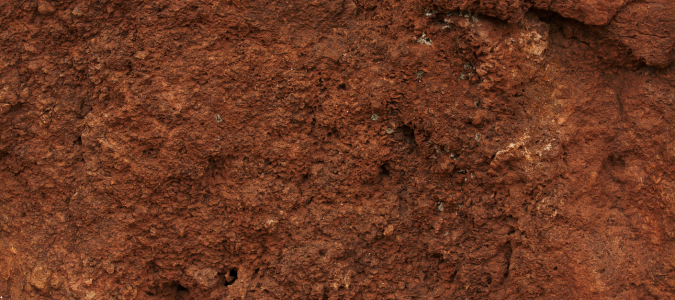
How Much Compost Do I Need for Texas Clay Soil?
According to Zambo, “Most soils in Texas benefit greatly from regular compost, especially the heavy clay soils common across large parts of the state. Clay soil does not require compost to survive, but adding compost regularly is one of the best ways to keep it healthy and productive.”
Central and North Texas soil have high clay content, which can present drainage challenges. Adding compost at least once a year, if not twice, to clay soil can counteract drainage problems so that your lawn can thrive.
In the first year after planting new grass, one inch of compost is not enough to benefit the clay soil structure. Here’s a recommended strategy:
- Year 1: 2 to 3 inches
- Year 2+: 1 to 2 inches annually
However, it’s crucial to avoid replacing soil completely with compost. Compost improves soil structure but doesn’t replace mineral soil altogether.
What Our Customers Say
“Amazing Compost services provided by Chris Cardenas and ABC Home Services Lawn Care. Chris was very professional and friendly. He fully explained the entire process and product that was being dispensed on my lawn. Chris provided additional comments and suggestions to better care for my lawn. I totally recommend Chris Cardenas and ABC Home Services Lawn Care. Five Star Service & Support ⭐️⭐️⭐️⭐️⭐️ Kudos to Chris…a job well done! Thank you!”
— Kevin G.
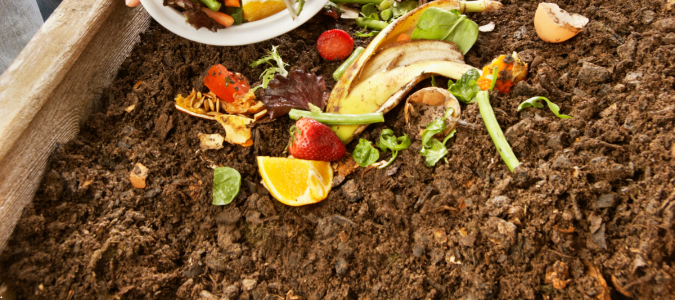
Common Compost Mistakes to Avoid
“Yes, you absolutely can add too much compost, though the threshold is different for lawns, gardens and planting beds. Compost is beneficial, but excessive amounts can create nutrient imbalances, drainage problems and plant stress,” says Zambo.
Avoid these common compost mistakes:
- Applying too thick a layer, which creates oxygen issues
- Not mixing the compost into your clay soil
- Using unfinished compost
- Skipping soil testing
- Assuming “more is better,” which isn’t usually the case
Frequently Asked Questions
How Much Compost Do I Need Per Square Foot?
Can You Put Too Much Compost in a Garden?
How Often Should I Add Compost in Texas?
Consult an Expert For Customized Compost Guidance For Your Gardens and Lawns
ABC Home and Commercial Services has been helping Texas homeowners maintain their lawns and gardens for over 75 years. Contact us today for a free estimate.