Texas pools often still need some winterizing. Even mild freezes can damage pumps, pipes and filters. This guide walks you through how to protect your pool before the next cold snap hits.
If you think you don’t need to winterize your pool in Texas, you may be wrong. Most Texas pools with functioning equipment don’t need full winterization, but knowing when it does matter can save you from costly damage.
Winterizing protects your pool from freeze damage, preserves equipment and makes spring reopening much easier. But, the Texas approach looks different from what northern states require.
This guide will walk you through everything Texas homeowners need to know about winterizing their pools. This includes preparing the water, protecting your equipment, adjusting your maintenance routine and safeguarding your pool against Texas freezes.
Terry Valderas, General Manager of the Swimming Pool Division at ABC Home & Commercial Services, contributed Texas-specific expertise to this article. Terry has 25+ years of experience in the pool industry and holds a Certified Pool Operator (CPO) certification and a Pool Chemistry Certification – Residential (PCC-R).
Do You Need to Winterize a Pool in Texas?
“About 85% of residential pools already have a Freeze Guard that automatically turns the pump on when temperatures drop below 40 degrees,” Terry Valderas says. “For a fully functioning pool in North, Central or South Texas, full winterization usually isn’t necessary.”
Winterization in Texas looks different from what it does in other parts of the country. For example, most Northern homeowners close their pools for several months out of the year. In Texas, you may be able to keep your pool open year-round. You’ll just need to focus on protecting the equipment from freezes.
Additionally, Texas is a large state, and the weather varies by region. In the Houston and Gulf Coast region, freezes are less common and don’t last very long. In Austin and the Hill Country, on the other hand, homeowners can experience longer freezes more often.
Dallas-Fort Worth regularly experiences below freezing temperatures throughout the winter months, and West Texas is prone to longer periods of hard freezes and cold weather.
For most Texas pools with functioning equipment, a Freeze Guard automatically kicks on when temperatures drop below 40 degrees, keeping water circulating and protecting your equipment. Where freeze damage becomes a real risk is during major storms that push temperatures below 20 degrees.
Keep in mind that there’s a difference between winterizing a pool and closing a pool for the season. Closing a pool involves:
- Lowering the water level
- Draining plumbing lines
- Adding winter chemicals
- Covering the pool
Winterizing a Texas pool focuses on maintaining proper water chemistry, keeping the pool clean and protecting the equipment from freezes.

When Should You Winterize Your Pool?
“If you’re doing renovations over the winter, it’s always a good rule to pull the freeze plugs so any excess water can drain,” Valderas explains. “And if a major storm is bringing temperatures below 20 degrees and your equipment isn’t connected to a generator, pulling the drain plugs is a smart precaution in case of a power outage.”
When to Pay Extra Attention
If your pool equipment isn’t connected to a generator or you’re unsure whether your system has Freeze Guard, these are the conditions worth watching closely.
If the weather dips below freezing for multiple nights in a row, that’s a sure sign that a hard freeze is on the way. Sudden cold fronts and low wind chills can damage your pool’s equipment and exposed plumbing. It’s important to keep an eye on the weather when temperatures start to go down.
Why Waiting Too Long Can Cause More Damage
If you’re mid-renovation or heading into a storm with temperatures expected below 20 degrees and no generator backup, timing matters.
If you wait too long to winterize your pool, a hard freeze can do significant damage. For example, your pool’s pump could fail, pipes can burst and the filter hose can crack. It’s better to be proactive and winterize too early than wait too long.
Pool Winterization Checklist
Here’s a quick checklist for winterizing Texas pools. A more thorough description of each step is below.
- Test and balance water chemistry
- Lower water level, if appropriate
- Clean pool thoroughly
- Backwash or clean filter
- Remove pool accessories
- Protect plumbing lines
- Add winter chemicals
- Install pool cover
- Activate freeze protection settings

Step-by-Step: How to Winterize Your Pool Properly
Step 1: Clean the Pool Thoroughly
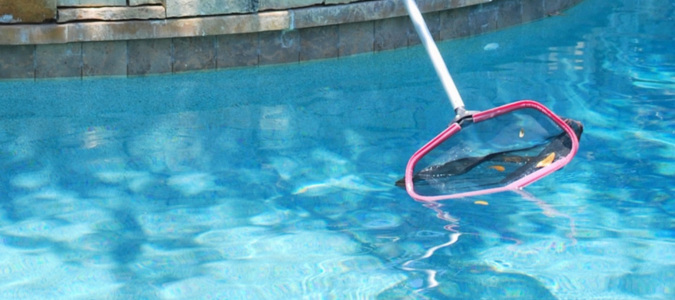
Before you officially winterize your pool, it’s important to clean it. You don’t want any organic matter, such as leaves, debris, dirt or insects to decompose over the winter and throw off your pool’s chemistry.
Pool cleaning checklist:
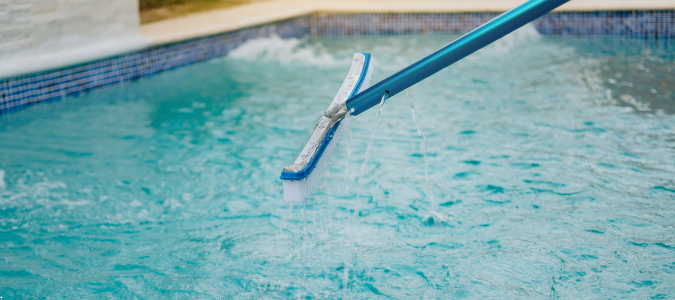
- Vacuum the pool floor using a skimmer
- Brush algae-prone areas
- Empty the skimmer baskets
Cleaning your pool will minimize algae growth, staining and cloudy water during the winter months.
Step 2: Test and Balance Water Chemistry
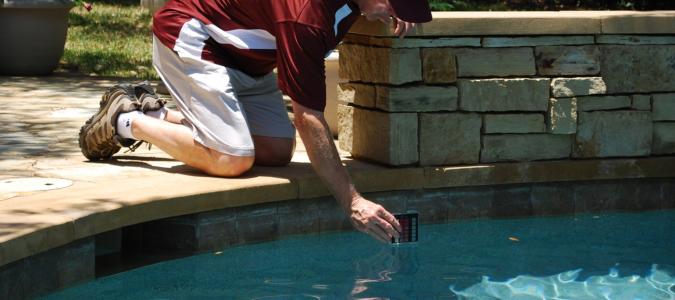
Before the first hard freeze, test and balance your water chemistry to reduce the risk of algae growth over the winter.
Here are the targets:
pH: 7.4 to 7.6
Total Alkalinity: 80 to 120 ppm
Calcium Hardness: 200 to 400 ppm (depending on pool surface type)
Free Chlorine: 1 to 3 ppm
Balancing the water will prevent corrosion, limescale buildup, staining and wear on your equipment.
Step 3: Protect Your Pool Equipment
This is the most important part of winterizing your pool, as protecting your equipment can prevent costly damage from a freeze.
Prepare and protect each of the following:
- Pump: Enable freeze protection settings
- Filter: Clean thoroughly before temps drop
- Heater: Follow manufacturer instructions for winter operation
- Chlorinator or salt system: Clean and inspect the components to make sure it’s working properly
- Automation systems: Enable freeze protection settings and make sure they’re working properly
Step 4: Lower the Water Level (If Needed)
Most Texas pools don’t require significant water reduction during the winter months. However, if your pool manufacturer recommends lowering the water level for the winter, follow that guidance. Additionally, if your region experiences a lot of rainfall or if your pool cover requires lower water, go ahead and do it.
While lowering your water level slightly may be helpful, you should avoid draining too much. Draining too much can cause plaster cracking and create structural concerns for the pool shell.
For Texas homeowners, it’s best to consult with a pool specialist about whether lowering the water level is appropriate for your pool.
Step 5: Add Winterizing Chemicals
Adding winterizing chemicals to your pool will add protection and reduce maintenance needs over the colder months.
Common winterizing treatments include:
- Algaecide to prevent algae growth
- Stain preventer to reduce metal staining and mineral deposits
- Chlorine shock to remove contaminants
- Enzyme treatments to protect the water quality
If you’re adding winterizing chemicals, avoid these common mistakes:
- Adding chemicals before you clean the pool
- Overusing treatments
- Not monitoring your pool after treatments
Step 6: Cover the Pool Correctly
Covering your pool during the winter months will reduce debris accumulation, limit water evaporation and make opening it for the spring and summer months easier.
There are many types of pool covers, including mesh covers, solid covers and safety covers. Mesh covers prevent large debris from getting in your pool while still allowing rainwater to pass through. Since they don’t collect standing water, they require less maintenance.
Solid covers are better at blocking debris and sunlight, but you have to remove them periodically to get rid of any standing water.
Safety covers are designed to prevent someone from accidentally falling into the pool. They’re available in both mesh and solid options, and they’re able to hold more weight. Safety covers are good options for families with pets and children.
No matter what type of pool cover you go with, it’s important to install it correctly. Work with a pool specialist for assistance.
Common Pool Winterization Mistakes Texas Homeowners Make
Failing to Blow Out Plumbing Lines and Shutting Down the Pool Early
Valderas says, “One of the most common mistakes we see is failing to blow out the plumbing lines. That leads to freeze-induced cracks. Shutting the system down too early is another one. The water is still warm enough for algae to take hold. And draining too much pool volume can cause plaster cracking.”
Turning Off Pool Equipment Completely
Many homeowners turn off their pool equipment during the winter months, which is not a good idea. This leaves stagnant water in your pumps, filters, plumbing lines and other equipment that’s more likely to freeze.
Forgetting to Cover Exposed Pipes
Exposed pipes are the first items to be impacted by freeze damage. It’s important to inspect your entire pool area for exposed pipes, including in water features, spas and fountains.
Skipping Freeze Protection Settings and Water Balancing
It’s easy to turn on the freeze protection settings for your pool, but many homeowners skip this step and end up paying for it. Skipping water balancing can also lead to scale buildup, algae growth, surface damage and other issues.
Using a Low-Quality Pool Cover
Using a low-quality or improperly fitting pool cover is more of a headache than it’s worth. Don’t cut corners here. The right cover makes a real difference in protecting your pool through the winter months.
To avoid these common mistakes, work with a pool specialist to winterize your pool.
What Our Customers Say
“ABC pool service is the best. The admins, pool techs, and repair folks (David) are great. I especially appreciate the communication and response time of this department. Thank you!”
— Debbie K.
Should You Winterize Your Pool Yourself or Hire a Professional?
DIY Winterization Pros and Cons
- Pros: Lower upfront cost
- Cons: It’s time-intensive and easy to make mistakes
Professional Winterization Pros and Cons
- Pros: Reduced risk, expert inspection to make sure everything is done correctly, proper equipment protection
- Cons: Higher upfront cost
Valderas says, “The ABC edge comes down to decades of combined experience, extensive team training and the ability to handle multiple services at once.”
Frequently Asked Questions About Pool Winterization
Do pools freeze in Texas?
Should I run my pool pump during freezing weather?
Can I leave water in the pipes?
Do saltwater pools need winterization?
How long does winterizing a pool take?
Final Thoughts: Protect Your Pool Before the Next Texas Freeze
For the best results, work with a pool specialist to protect your pool this winter. ABC Home & Commercial Services pool specialists are CPO® certified professionals and offer over 75 years of combined experience. Partnering with ABC ensures that your pool’s maintenance needs are adjusted according to the weather.