Low water in your toilet bowl is usually caused by a partial clog, blocked vent, cracked bowl or worn fill valve. Texas’s hard water and shifting soil can make these issues more common. Most cases can be diagnosed with a little DIY troubleshooting, but if multiple drains back up or you smell sewage, it’s time to call a plumber.
Have you recently flushed your toilet and noticed that the bowl doesn’t completely refill with water? Another thing you might notice is that the water level in your toilet bowl drops significantly overnight.
These are common issues for Texas homeowners, but the good news is that there are solutions. Texas’s hard water, aging sewer lines, heat and foundation movement can all impact the water level in your toilet bowl.
While low water is usually a minor issue, it can become serious, as sometimes it’s a warning sign of sewer blockage or venting issues.
In this guide, you’ll learn:
- Why the water in your toilet bowl is low
- The normal water level to look for
- DIY fixes
- When you should call a plumber
Plus, learn from expert insights from Michael Marugo, Plumbing Operations Manager at ABC Home & Commercial Services. He has both his Journeyman Plumber and Master Plumber licenses.
Why Is the Water Low in My Toilet Bowl?
According to Michael Marugo, Plumbing Operations Manager at ABC Home & Commercial Services, low water in a toilet bowl is usually caused by a partial clog, blocked plumbing vent, cracked toilet bowl, incorrect float settings or sewer line issues.
In Texas homes, hard water buildup and shifting foundations can also contribute to improper flushing and bowl refill problems.
Most Common Causes
- Partial drain clog: a blockage in the drain line or toilet trap
- Blocked vent pipe: allows debris into the drainage system and blocks complete toilet flushing
- Cracked toilet bowl: water slowly leaks out and prevents the bowl from filling
- Damaged fill valve: there’s not enough water to fill the tank
- Sewer line obstruction: creates pressure imbalances that impact toilet performance
- Evaporation in unused toilets: unused bathroom toilets gradually lose water
What Is the Normal Water Level in a Toilet Bowl?
Marugo explains, “This varies from manufacturer to manufacturer; there is no one set height. Most people will become familiar enough with their commodes to notice when something changes.”
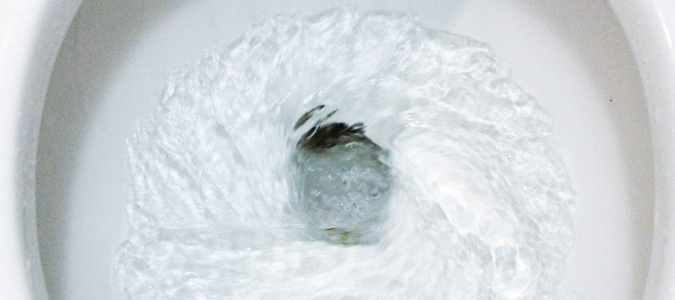
While toilets can vary based on the manufacturer and model, most toilet bowls should fill about halfway with water. Toilets have a built-in trap that connects to the water line and determines when to shut off the water once the toilet bowl is filled.
Signs Your Toilet Water Level Is Too Low
Weak flushes: without enough water, a toilet can’t fully flush
Frequent clogs: reduced water flow leads to more stoppages
Sewer odors: without enough water in the bowl, the toilet doesn’t provide a seal against sewer smells
Gurgling sounds: during or after a flush, low water can cause air to get trapped and create a gurgling sound
Incomplete waste removal: waste may require multiple flushes
7 Common Causes of Low Water in a Toilet Bowl
The most common causes of low water include:
- Partial toilet or drain clog
- Blocked plumbing vent pipe
- Cracked toilet bowl
- Problems with the fill tube or fill valve
- Sewer line problems
- Evaporation in rarely used toilets
- Toilet design or manufacturing issues
Let’s dive into each of these.
1. Partial Toilet or Drain Clog
With a partial toilet or drain clog, your toilet will still flush, but it will be weak. The restricted water flow causes the water to siphon incorrectly and prevents the bowl from properly refilling. There are a few common culprits that cause partial clogs, including “flushable” wipes, too much toilet paper, kids’ toys and other foreign objects.
2. Blocked Plumbing Vent Pipe
Your home’s plumbing system includes vent pipes that allow air into the drain pipes to assist the flow of wastewater. Vent pipes usually extend through your home’s roof and maintain the air pressure of your entire plumbing system.
If a vent pipe becomes clogged with debris, leaves, bird nests or other items, it will block airflow and interfere with the flow of water. The blockage will pull water out of the toilet bowl, leaving it less full and resulting in a weak flush.
Symptoms of a blocked vent include gurgling drains, slow sinks, a sewer smell and multiple plumbing fixtures in your home experiencing issues.
3. Cracked Toilet Bowl
Even a tiny hairline crack below your toilet bowl’s waterline can cause water to leak and lead to low water. You may not notice a difference right away since the water leaks out of the bowl slowly, but as the water disappears over a few hours, it will impact flush strength.
There are a few ways to check for hidden cracks. First, add a few drops of food coloring to your toilet bowl and watch to see if it leaks on the toilet’s exterior. You can also inspect the area around the toilet for moisture, staining or warped flooring.
If your toilet bowl is cracked, don’t wait to have it fixed. It can eventually cause more serious issues, like damaging your floors.
4. Problems With the Fill Tube or Fill Valve
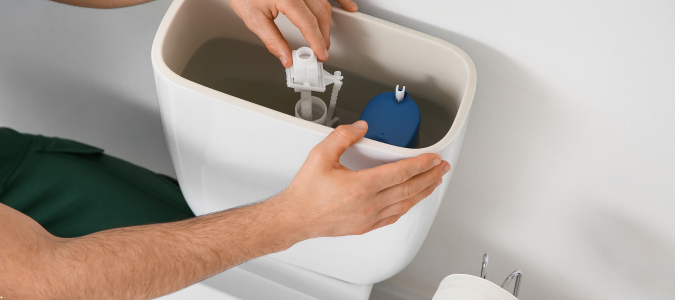
After a toilet is flushed, the fill valve immediately starts refilling both the toilet tank and bowl via a small refill tube. If the tube gets disconnected or the fill valve starts to wear out, the bowl will not get enough water.
If your tank refills slowly, your toilet makes strange noises or the bowl never fully refills, those are signs that the problem is inside the tank. Most likely, it’s an issue with the fill tube or valve.
5. Sewer Line Problems
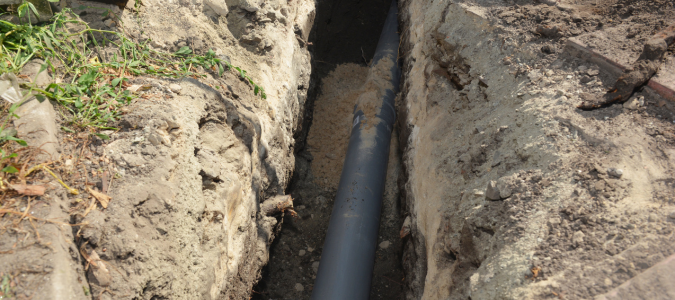
Several environmental factors can interfere with your home’s sewer line, including tree roots in your sewer line and clay soil movement, which is especially common in Texas. Bellied sewer lines and mainline clogs can also disrupt drainage and create pressure changes that make it difficult for your toilet bowl to refill.
If you notice multiple drains in your home backing up, a sewage smell or water around your floor drains, don’t hesitate to contact a plumber. Otherwise, it could turn into an emergency and cause your toilet to overflow and expose your home to sewage.
6. Evaporation in Rarely Used Toilets
Toilets that aren’t used often, such as toilets in guest bathrooms or vacation homes, lose water over time as it evaporates. It might sound like a minor issue, but it can eventually cause unpleasant sewer odors to seep into your home.
You can easily prevent this problem by flushing the toilet once a week or adding a small amount of mineral oil to the toilet bowl to slow evaporation.
7. Toilet Design or Manufacturing Issues
If your toilet won’t flush and it isn’t clogged, your toilet, not the plumbing, could be the cause of low water. For example, older low-flow toilets, improperly installed toilets or cheap builder-grade models may give you problems. In some cases, replacing the toilet may be the best and most cost-effective option, especially if your toilet has weak flushes and clogs frequently.
How to Fix Low Water in a Toilet Bowl
“If it’s due to an incomplete flush cycle, adjusting the water level in the tank or replacing worn-out parts usually solves the issue,” says Marugo. “If it’s due to a partial stoppage, clearing the drain will solve this issue.”
DIY Fixes Homeowners Can Try:
- Use a flange plunger correctly
- Check refill tube placement
- Inspect tank water level
- Pour water into bowl to test siphon
- Look for visible leaks
Fixes That Require a Licensed Plumber
If your plumbing system requires a sewer camera inspection, hydro jetting, vent stack clearing or sewer repair, work with a licensed plumber. Additionally, if your toilet needs to be completely replaced, don’t attempt to do it yourself. Hire an experienced plumber to get the job done right.
On a service call, a plumber will inspect your system’s wax ring, drain slope, venting and mainline blockage. They have the expertise and tools needed to get to the bottom of the problem.
When Low Toilet Bowl Water Means You Should Call a Plumber
Call a plumber if multiple drains in your home are backing up, you smell sewage or the toilet overflows immediately. You should also seek expert intervention if water disappears from the toilet bowl rapidly or you hear bubbling in nearby drains.
How Texas Plumbing Conditions Can Affect Toilet Water Levels
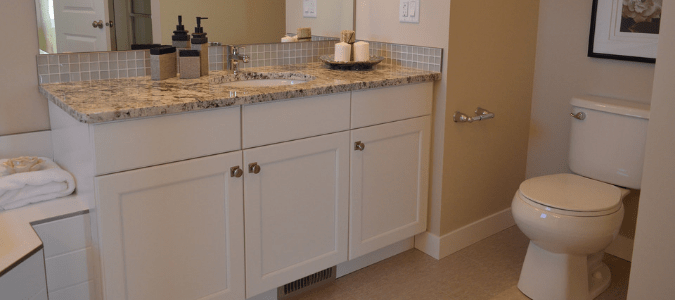
Most parts of Texas have hard water, which causes more mineral buildup in your home’s plumbing system. The minerals can accumulate inside the toilet’s rim jets, trap and other internal components, which restricts water flow and weakens flushes.
In some areas of Texas, homes are built on clay soil that expands and contracts with weather changes. The constant movement can stress plumbing lines and create drainage issues that lead to low toilet water. The clay soil can also cause foundation movement that interferes with your plumbing.
During the summer months in Texas, extreme heat can dry out the soil that surrounds your home’s underground plumbing system, which causes pipes to move and can disrupt water flow to your toilet.
Lastly, homes in older Texas neighborhoods have aged sewer infrastructures that run into regular issues, such as corrosion, pipe deterioration and recurring toilet blockages.
Preventing Low Water Levels in Your Toilet Bowl
- Don’t flush wipes, even if they’re labelled “flushable”
- Schedule drain inspections
- Address slow drains early rather than waiting
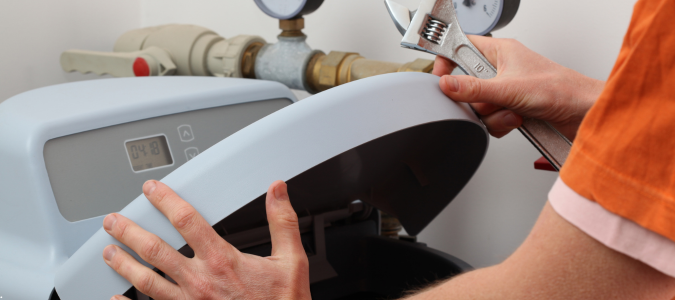
- Install a water softener if needed to minimize mineral buildup
- Flush unused toilets weekly
Frequently Asked Questions
Why is the water low in my toilet bowl but the tank is full?
Can a clogged vent cause low toilet water?
Why does toilet bowl water disappear overnight?
Will a toilet eventually unclog itself?
Can hard water affect toilet flushing?
Should I replace or repair my toilet?
Conclusion
Low water in your toilet bowl usually comes down to a handful of causes: a partial clog, a blocked vent, a cracked bowl, a worn fill valve, sewer line issues or simple evaporation in a toilet that doesn’t get much use. In Texas, hard water and shifting soil can make these problems more common and harder to shake.
Most of the time, a little troubleshooting on your own is enough to spot the fix. But if you’re seeing multiple drains back up, smelling sewage or watching water disappear fast, that’s your sign to stop DIYing it and call in a professional.
If your toilet bowl water stays low after basic troubleshooting, a professional inspection can help prevent larger sewer or plumbing problems. ABC Home & Commercial Services provides emergency plumbing diagnostics.
