In Texas homes, a sudden loss of hot water can stem from anything from a tripped breaker to hard water buildup to an aging unit. Here’s how to identify the problem, what you can check yourself and when to call in a plumber.
Few household problems are as frustrating as turning on the shower and not having hot water. Whether it happens first thing in the morning or after a long day, losing hot water can quickly disrupt your routine.
In Texas homes, the cause can range from a simple power interruption to hard water mineral buildup, storm-related outages or an aging water heater. Some problems are relatively easy to identify, while others require professional repair.
If you have no hot water and notice a gas smell, water leaking around the heater or signs of electrical damage, contact a plumber. Otherwise, there are several basic checks you can perform before scheduling service. In this guide, we’ll walk through the most common reasons homeowners suddenly lose hot water and what to do next.
Michael Marugo, Plumbing Operations Manager at ABC Home & Commercial Services, offers Texas-specific expertise to help homeowners identify why they’ve lost hot water and what to do about it.
Why Is There No Hot Water in My House?
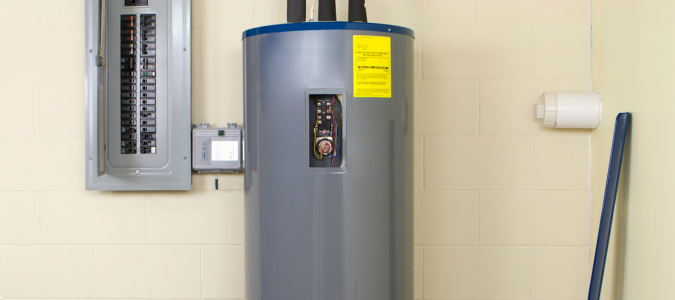
If there is no hot water in your house, the problem is usually tied to power, fuel supply or the water heater itself.
“A tripped breaker on an electric tank water heater, a pilot light out on a gas or LP tank water heater, or an obstruction in the heat exchanger on a tankless water heater are a few of the most common causes,” Marugo says.
Other common causes include sediment buildup inside the tank, a failed thermostat, a burned-out heating element, an aging water heater or a tankless system that’s being asked to heat more water than it can handle at once.
Before assuming the water heater has failed, check a few basics:
- Check the breaker panel to see if the water heater breaker has tripped
- Verify that the gas supply is on if you have a gas water heater
- Inspect the pilot light if your model has one
- Confirm there has not been a recent power or gas outage
- Test hot water at multiple faucets to see if the issue affects the whole house or just one fixture
10 Common Reasons You Have No Hot Water
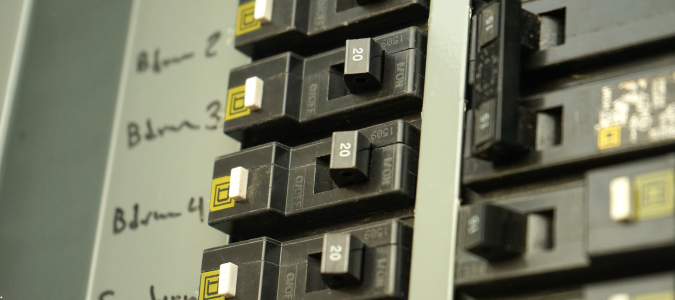
1. The Circuit Breaker Tripped
For electric water heaters, a tripped breaker can cut power to the unit and stop the water from heating. Check your breaker panel to see if the water heater breaker has flipped to the off position or is sitting between on and off.
To reset it, switch the breaker fully off, then turn it back on. If hot water returns and the breaker stays on, the issue may have been temporary. If the breaker trips again, leave it off and contact a professional. Repeated tripping can point to an electrical issue, a bad heating element or another problem inside the unit.
2. The Pilot Light Went Out (Gas Water Heaters)
If you have a gas water heater and suddenly have no hot water, a pilot light that has gone out may be the cause. The pilot light is a small flame that helps ignite the burner when the tank needs to heat water.
You can usually identify a pilot light failure by looking through the viewing window near the bottom of the unit. If the flame is not visible, follow the manufacturer’s instructions for relighting it. However, don’t attempt to relight the pilot if you smell gas, notice signs of damage or suspect a gas leak.
Safety Reminder
If you smell gas, leave the area immediately and contact your gas utility provider or emergency services.
3. Your Water Heater Thermostat Failed
A faulty thermostat can prevent your water heater from maintaining the correct temperature. Sometimes the result is lukewarm water. In other cases, you may have no hot water at all.
Thermostat problems often develop gradually. You might notice water temperatures fluctuating from day to day or running out of hot water faster than usual. Thermostats are connected to electrical components; diagnosis and replacement are best handled by a professional.
4. Burned-Out Heating Elements
Electric water heaters use heating elements inside the tank to warm the water. If one of these elements burns out, the system may struggle to keep up with demand or stop producing hot water altogether.
This issue is especially common in Texas areas with hard water. Over time, minerals can collect around the heating elements, forcing them to work harder and shortening their lifespan. In some cases, a failed upper element can leave you with little or no hot water. A failed lower element may result in short bursts of hot water that quickly turn cold.
Sediment buildup often accelerates element damage. This is another reason why routine maintenance is so important for long-term water heater performance.
5. Sediment Buildup in the Tank
Hard water contains dissolved minerals such as calcium and magnesium. As water is heated, those minerals settle to the bottom of the tank and gradually form a layer of sediment.
Over time, this buildup can make the water heater less efficient and reduce the amount of hot water available. Homeowners may also hear popping, rumbling or crackling sounds as water becomes trapped beneath the sediment layer and boils through it.
Many Texans deal with hard water conditions, which can make sediment accumulation a common water heater problem. If mineral buildup becomes severe enough, it can contribute to overheating, damaged heating elements and reduced system lifespan.
6. Tankless Water Heater Overload
A tankless water heater heats water on demand, but it still has limits. If multiple showers, appliances and faucets are running at the same time, the system may not be able to keep up with demand.
This is more common in larger Texas households where several people are using hot water at once. If your tankless water heater isn’t heating properly, try reducing the number of fixtures using hot water simultaneously to see if performance improves.
7. Gas Supply Problems
Gas water heaters rely on a steady fuel supply to operate. If the gas service has been interrupted, the shutoff valve has been closed or a storm has affected utility service, the water heater may stop producing hot water.
Before troubleshooting the unit itself, check whether other gas appliances in the home are working normally. If they aren’t, the issue may be related to the gas supply rather than the water heater.
8. Frozen or Damaged Pipes
Frozen pipes may not be the first thing homeowners think about in Texas, but they can happen during severe winter weather. A frozen pipe can restrict water flow and interfere with the delivery of hot water throughout the home.
Warning signs include reduced water pressure, frost on exposed pipes or visible leaks after temperatures rise. If you suspect a frozen or burst pipe, shut off the water supply and contact a plumbing professional. Water damage can escalate quickly once a frozen pipe thaws.
9. Your Water Heater Is Too Old
Like most household appliances, water heaters have a limited lifespan. Traditional tank water heaters typically last about 8 to 12 years, while tankless systems can often operate for 15 to 20 years with proper maintenance.
As water heaters age, corrosion, mineral buildup and worn components become more common. If you’re experiencing frequent repairs, inconsistent performance or recurring hot water problems, it may be time to consider when to replace your water heater.
Repair or Replace?
10. A Leaking Water Heater Triggered Safety Shutoffs
Many newer water heaters include safety features designed to reduce the risk of water damage. If a leak is detected, some systems may automatically shut down or restrict operation to prevent further problems.
Signs of a hidden leak can include moisture around the base of the tank, unexplained puddles, corrosion on fittings or a sudden loss of hot water. In some cases, the leak may be small enough that homeowners don’t notice it right away.
If you suspect a leaking water heater, don’t ignore the problem. Even a slow leak can lead to water damage, mildew growth and reduced equipment performance over time.
When No Hot Water Becomes an Emergency
Not every loss of hot water requires an emergency call, though some situations do.
“That depends on the situation,” Marugo says. “On the residential level, as long as the unit is not leaking and causing damage, it would be more of a high priority nuisance than an emergency.”
Seek professional help if you notice:
- A gas smell near the water heater
- Water leaking from the tank or surrounding connections
- Burning odors
- Rust-colored water coming from multiple fixtures
- Loud popping, banging or rumbling noises from the water heater
- An electrical burning smell near the unit
A gas odor may indicate a leak and should always be treated as an emergency. If you smell gas, leave the area and contact your gas utility provider or emergency services.
Water leaks can become urgent quickly, especially if the tank itself is leaking. A failing tank can cause significant water damage if it ruptures. Likewise, burning odors, electrical smells or unusual noises may signal a mechanical or electrical problem that requires professional attention.
What You Can Check Yourself
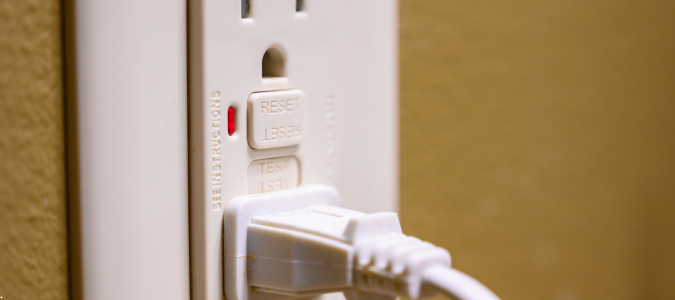
“Check whether there is power to the unit, whether the pilot light is on and whether a breaker or GFCI outlet has tripped,” Marugo says. “Sometimes it is as simple as resetting or relighting a water heater. If it continues to shut off, the cause of the issue needs to be determined and addressed.”
Before scheduling service, there are a few basic troubleshooting steps that homeowners can perform. However, repairs involving gas lines, electrical components or leaking water heaters should always be left to a professional.
If these simple checks don’t restore hot water, avoid taking the water heater apart or attempting repairs beyond basic troubleshooting. A plumber can test the unit and find the problem.

Why Water Heater Problems Are Common in Texas Homes
Texas homeowners face a few challenges that can put extra strain on water heaters. One of the biggest is hard water. Many areas of Texas have water with a high mineral content. This can lead to sediment buildup inside tanks and around heating elements over time.
Those minerals do more than reduce efficiency. They can shorten the lifespan of heating elements, increase energy use and contribute to issues like popping noises, inconsistent water temperatures and premature equipment wear. If you’ve ever wondered why water quality is important, protecting appliances like your water heater is one of the biggest reasons.
Texas weather can also be tough on plumbing systems. Long periods of heat force water heaters to work in warm environments year-round. Occasional winter freezes can damage pipes, valves and other plumbing components. Even coastal communities like Corpus Christi aren’t completely immune to cold-weather plumbing problems.
Rapid suburban growth has created another challenge. Many newer neighborhoods place increased demand on local infrastructure. Homes with larger families often place heavier demands on water heating systems. Combined with hard water and changing weather conditions, these factors help explain why water heater issues are so common across Texas.
What Our Customers Say
“After receiving a few extremely high repair quotes, I contacted ABC after a friend recommendation and found their repair cost very acceptable and reasonably priced. Technician is extremely knowledgeable walked me through every aspect of the repair. Repairs were completed quickly and professionally. Would recommend ABC to anyone looking for quality repair work.”
— Carl M.
How to Prevent Losing Hot Water Again
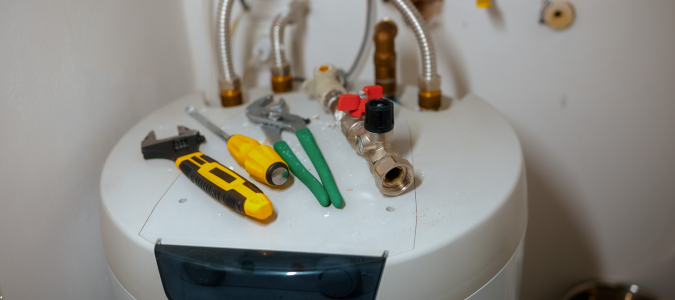
“Regular maintenance of both tank and tankless water heaters is the best way to avoid problems long term and prolong the life of your water heater,” Marugo says.
While some water heater failures happen without warning, many common problems can be prevented with routine maintenance. A little attention each year can help improve efficiency, extend equipment life and reduce the chances of suddenly finding no hot water in the house.
For traditional tank water heaters, annual flushing helps remove sediment that settles at the bottom of the tank. Tankless systems benefit from periodic descaling to remove mineral deposits that can affect performance. Regular inspections can also help catch small issues before they turn into costly repairs.
Use this simple maintenance checklist to help keep your water heater running smoothly:
-
Flush the tank once a year
-
Inspect for rust or corrosion every few months
-
Schedule an annual professional inspection
-
Test the pressure relief valve periodically
-
Check temperature settings to ensure they are appropriate for your household
-
Have the anode rod inspected and replaced when needed
-
Schedule tankless descaling according to the manufacturer’s recommendations
Look for signs of leaks around the tank, fittings and connections
These simple steps can help reduce wear and tear, improve efficiency and lower the risk of unexpected hot water problems.
Frequently Asked Questions About No Hot Water
Why do I suddenly have no hot water?
Can a water heater stop working overnight?
Should I repair or replace my water heater?
How long does it take to restore hot water?
Can hard water ruin a water heater?
Need Water Heater Repair?
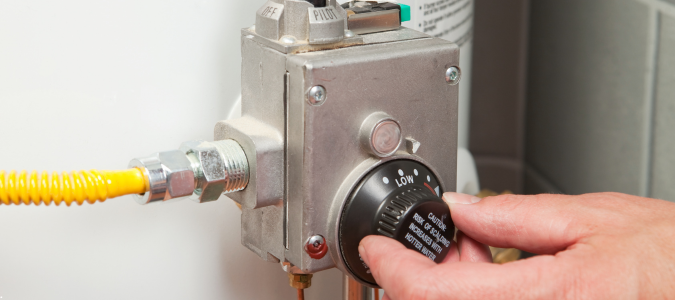
When there is no hot water in the house, it can disrupt everything from showers and laundry to cooking and cleaning. While some problems can be resolved with basic troubleshooting, others require professional diagnosis and repair.
ABC Home & Commercial Services has been helping Texas homeowners solve plumbing problems for more than 75 years. Our licensed technicians have experience repairing traditional tank water heaters, tankless systems and a wide range of hot water issues.
That experience goes beyond plumbing alone.
“We have almost 600 years of combined experience in the field and 16 Master Plumbers on staff,” Marugo says. “ABC is also fully equipped to assist with other trades that can be incidental to plumbing work such as repairing walls, floors, ceilings and tile, electrical work for new equipment installations or retrofits and landscaping work following excavation.”
Whether you’re dealing with a water heater that suddenly stopped working, recurring hot water problems or signs that the unit may be failing, our team can help. We proudly serve homeowners throughout Texas.
If you need assistance with a water heater problem, contact ABC to schedule an inspection and get your hot water restored.