ABC Blog

Toilet Tank Not Filling but Water Is Running

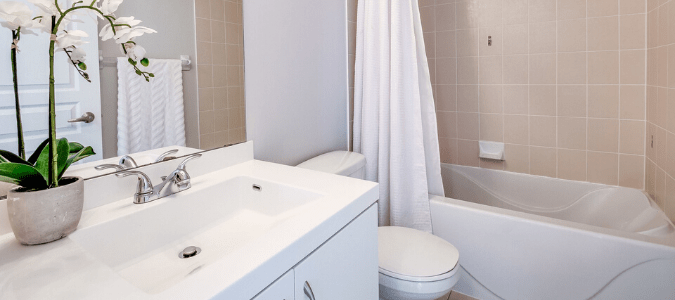
It can be confusing to find your toilet tank not filling but water is running. Why wouldn’t the tank fill up when the water is running like it’s supposed to? This is a problem because when the tank doesn’t fill, the toilet can’t flush. If you live in a house with other people, that’s a situation that needs fixing fast. Fortunately, it can be easy to diagnose this type of problem if you have basic plumbing knowledge.

This problem could involve one or several different components. Here are the different components of your toilet that could malfunction and cause this problem.

The Water Supply Line

If there’s a leak in the water supply line that runs to your toilet, the tank will still fill, just slowly. If the leak isn’t fixed, however, the tank will start filling more and more slowly over time. This is something that a plumber should look at as … Read Full Post »

Why Is My Water Softener Leaking?

A leaking water softener is an irritating problem to have in your home. Not only can the leak cause quite a mess, but it can also impact the appliance’s ability to do its job. Without a properly working water softener, you may start noticing signs of hard water again. For example, your home’s water might leave spots and residue on your glasses and faucets, and start to dry out your skin and hair. This is why it is important to identify the source of the leak before it becomes an even bigger problem.

As with any kind of appliance, water softeners only last for a certain amount of time. Their typical lifespan is around 10 to 15 years. At this point, the water softener can start to have issues like leaks or could stop working altogether. However, having a leak does not necessarily mean that it is time to buy a … Read Full Post »

Is a Water Softener Worth It?

Water softeners are valuable for many different reasons. They can lengthen the lifespan of your home’s appliances and prevent your family’s skin and hair from getting dry and itchy. Water softeners can also help prevent minerals from building up inside your pipes and water fixtures. Plus, they can reduce spots on glassware and soap scum in your sink and tub.

However, not everyone needs a water softener. You really only need one if you have hard water in your home. Otherwise, if your water is already soft, then using a water softener doesn’t have many benefits.

Water softeners work by removing unwanted minerals, such as magnesium and calcium, from the water in your home’s plumbing. Magnesium and calcium are both positive ions. The resin beads in a water softener hold negative sodium ions. As water flows through the softener, the resin beads in the water softener attract the minerals that need to … Read Full Post »

What if My Toilet Won’t Flush All the Way?

It’s annoying when your toilet won’t flush all the way. This problem is already bad enough if it’s just you in the house, but it’s especially frustrating if it happens when family is visiting or you’re hosting a gathering. Not only is it gross when the contents of your toilet bowl don’t completely empty when you flush, but it’s also concerning. This could be an initial sign of a larger issue that could lead to messy and expensive problems.

When you push the handle on your toilet, this should start a chain reaction. The handle should lift a stopper, which should then allow water to flow into the toilet bowl. Then, all the contents flow out through the drain in the bottom. However, this process doesn’t always work, which means that the contents in the bowl might get left behind. There are a few different reasons why you may be having … Read Full Post »

How Long Do Water Softeners Last?

Softening water can help prolong the life of your home’s pipes, water heater and other appliances. Plus, it can make your water easier on your skin and hair. This is because hard water not only dries out people’s skin, but the sediment in hard water can also build up in your plumbing.

Water softeners work for about 10 to 15 years, but a variety of factors can affect how long the equipment lasts. For one, the quality and type of water softener that you own matters. This is because some types of water softeners can degrade more quickly. For instance, water softeners that run on a timer system instead of on-demand may run through water and regenerate more often than needed. These systems replenish salt based on a set schedule, even if you haven’t been using much water. This can make the system work much harder than it needs to and … Read Full Post »

Tankless Water Heaters vs. Tank: Which is Best?

When your water heater starts making knocking noises or stops providing adequate hot water for your home—or, worse, it bursts—it’s time to decide on a replacement model that will best fit your needs. When you start looking into the options, however, you might feel overwhelmed by all the choices that are available. Which are better—tankless water heaters or tank water heaters? What are the advantages and disadvantages of each type, and which kind is right for your particular home?

If you’re considering making the switch from a traditional tank model to a tankless water heater, it could seem especially daunting to decide whether this is the right move. Tankless heaters typically have higher price tags than tank heaters, though their operating costs over time are lower. Even knowing they’ll likely save money over time, many people balk at the prospect of spending so much money up front.

Of course, there are other … Read Full Post »

Causes of Low Water Pressure in Kitchen Sink

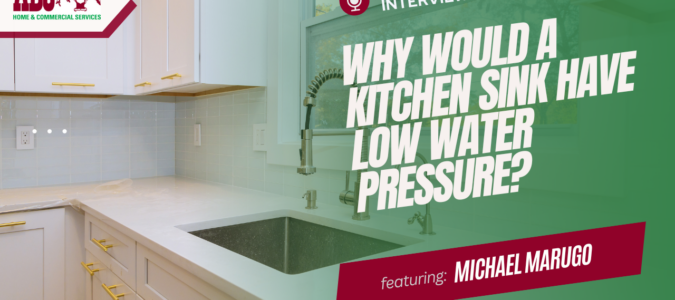
If you begin noticing that the water coming out of your kitchen faucet doesn’t have as much pressure as it should, the first thing to check is whether it’s a whole-house issue. Are all the taps affected, or only the kitchen sink? If the kitchen is the only tap with low pressure, it’s time to consider the potential causes of low water pressure in a kitchen sink so you can determine what might be causing it, and fix it. The next thing to look at is whether you only have low water pressure when the water is hot or cool, or if the water pressure is low no matter the temperature.

According to Michael Marugo, Plumbing Operations Manager at ABC Home & Commercial Services, the most common causes of low water pressure in a kitchen sink are a clogged aerator or a clogged cartridge. The aerator is the part of the … Read Full Post »

Why Clogged Drains From Washing Machines Occur

It’s frustrating to put a load of laundry in the washer and press start, only to wind up a half-hour later with a machine full of wet clothes and dirty water that won’t drain. When this happens, it’s most likely because your washing machine drain has a blockage that needs to be cleared before the water can properly exit the machine. The most common reason for a clogged drain from washing machine is an issue with the filter.

Appliance repair specialists find all sorts of items—most commonly, socks, underwear and baby clothes—that have gotten stuck in washing machine filters during the wash or spin cycle. This happens because it’s easy for small items to slip through, block the filter and prevent the washer from draining properly. If your washer isn’t a front-load type of washing machine, however, the problem is likely due to something else, as only front-loading machines are equipped … Read Full Post »

No Hot Water in House: What Can I Do?

When you turn on a faucet in your home, you expect water to come rushing out. When you turn it to hot, you expect the water to heat up—if not immediately, then within a reasonable period of time. That’s why, when there’s no hot water in your house, it’s not just annoying; it’s actually alarming. It can even be considered an urgent problem, especially if you’re turning on your shower to get ready for work. If there’s no hot water in your house, there are several different possibilities for why the water isn’t warming up. Let’s take a look at the various reasons why this can happen and what to do when it does.

The kitchen sink and the shower or tub are the two spots in a home where people most commonly use hot water for hand-washing dishes and for bathing. Many people also use hot water for washing their … Read Full Post »

Why Does My Water Smell Like Rotten Eggs?

Whether you turned on the sink to do dishes or started the shower to get ready for your day, if your water smells like rotten eggs, you’re probably concerned. Many questions may be running through your head, including: Is this water still safe to use? Can I fix this myself, or do I need to contact a plumber?

There are a few different reasons why your water smells like rotten eggs and depending on the cause, the water may or may not be safe to use, and you may or may not be able to fix this problem yourself. Generally speaking, water smells like rotten eggs when there is sulfur bacteria present. Paying attention to when you notice the foul smell can help you determine what exactly is wrong and whether the water is safe to consume.

If the smell is constant when you are using water from your tap, it is … Read Full Post »