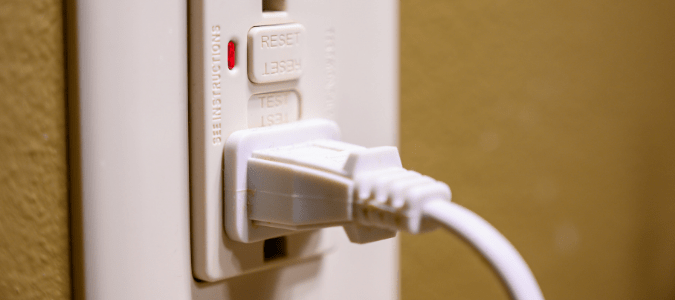
If an outlet in your bathroom, kitchen or garage suddenly stops working, a tripped GFCI is often the reason. Here’s what you need to know about how these outlets work, where they’re required and when to call an electrician.
You plug in your hair dryer and it suddenly stops running. A kitchen outlet goes dead in the middle of making coffee. After a rainstorm, your patio outlet will not work at all. It can feel random, but there is often a reason behind it. In many cases, a GFCI outlet has shut off power.
So, what is a GFCI outlet? A GFCI outlet, or ground fault circuit interrupter, is a special type of outlet designed to protect you from electrical shock and help prevent damage to your appliances. It monitors the flow of electricity and shuts off power if it senses that current is going somewhere it should not. These outlets are most important in areas where water and electricity may be close together.
For Texas homeowners, that matters. Between humidity, storms, outdoor kitchens, pool areas and busy family spaces, many homes have multiple spots where GFCI protection is needed. If you have ever wondered why one outlet suddenly “dies” while the breaker stays on, a GFCI may be the reason.
This blog also includes expert insights from Anthony Burks, Master Electrician, on why these outlets matter and how long they typically last.

What Does a GFCI Outlet Do?
A GFCI outlet is designed to shut off power when something isn’t right. In simple terms, this outlet watches the electricity moving through a circuit. If the amount of current going out doesn’t match the amount coming back, the outlet reacts fast and cuts power. That small difference can mean electricity is escaping the normal path. This is called a ground fault.
That quick shutoff is what sets a GFCI apart from a regular outlet. A standard outlet gives you power, but it doesn’t monitor for leakage current the same way a GFCI does. GFCIs were created to reduce risks, especially in areas where moisture is present. They have also helped reduce home electrocutions.
TEST and RESET Buttons
In many homes, a GFCI outlet is easy to spot because it usually has TEST and RESET buttons on the front. Those buttons are there so you can check that the outlet is working properly and restore power after it trips. If one of these outlets shuts off, it may be responding to a safety issue, not just acting up.

How Does a GFCI Outlet Work?
A GFCI outlet works by constantly watching the flow of electricity moving through a circuit. It compares the current going out to an appliance or device with the current coming back. Under normal conditions, those two amounts should match. When they don’t, even by a very small margin, the outlet assumes electricity may be escaping somewhere it should not, possibly through water, a damaged cord or even a person.
That is what makes a GFCI different from a regular outlet. It isn’t just there to provide power. It’s there to notice when the electrical path changes in a way that could become dangerous. If the outlet senses a current imbalance that crosses its trip threshold, it cuts power almost instantly.
Anthony Burks explains, “If the device senses a fault, it means electricity is escaping its intended path, a ‘ground fault’, possibly through a person or water.”
What Happens When It Trips
That fast response matters most in places where moisture is part of the picture. Bathrooms, garages and outdoor outlets are common examples. And when that happens, a GFCI is designed to react in a split second, often before a standard breaker would do anything at all.
Most GFCI outlets also have TEST and RESET buttons. The TEST button lets you check that the outlet is working the way it should. When you press it, the outlet should trip and shut off power. The RESET button turns the outlet back on after it trips. If the outlet won’t reset, that can point to a larger issue, like moisture inside the box, a wiring problem or a worn-out outlet.
Here’s the short version of what a GFCI outlet does:
- Detects leakage current
- Trips in about 1/30th of a second
- Protects against moisture-related risks
- Works even if the breaker does not trip
That last part throws a lot of homeowners off. If an outlet stops working, it’s easy to assume the breaker must have flipped. A GFCI can shut down on its own, even while the rest of the circuit still looks normal at the panel. That’s why one “dead” outlet doesn’t always mean you have a major electrical failure. Sometimes it means the safety feature did its job.

Where Are GFCI Outlets Required in Texas Homes?
Burks says, “GFCI protection is required anywhere water and electricity can mix, bathrooms, kitchens, outdoors, garages and accessory buildings, laundry and utility rooms, water sources, wet and damp locations.”
For Texas homeowners, that matters even more. Between long humid stretches, sudden storms, outdoor kitchens, covered patios and backyard pool areas, homes here often have more moisture-prone electrical zones than people realize. Even when an outlet looks fine from the outside, weather and humidity can create conditions where extra protection is important.
Here are some of the most common places where GFCI protection is typically required in a home.
The list doesn’t stop there. GFCI protection is also often needed in laundry rooms, unfinished basements, outlets near sinks and around pool or spa areas. In those spaces, the risk isn’t always standing water. It may be humidity, splashing, condensation or damp surfaces.
This is one reason GFCI installation matters so much in Texas. Outdoor living is a big part of life here. Patios get used year-round, outdoor kitchens are common and pool equipment often runs hard through long stretches of hot weather. Add in storm season and changing conditions, and it becomes easier to see why GFCI outlets are important.
If you are unsure whether a certain outlet in your home should have GFCI protection, especially in an older house or after a remodel, it’s worth calling in a licensed electrician. Sometimes the outlet itself is a GFCI. In other cases, a single GFCI outlet may protect additional outlets farther down the line. Either way, the goal is the same: reducing shock risk in the parts of your home where water and electricity are more likely to cross paths.

GFCI Outlet Versus Regular Outlet: What’s the Difference?
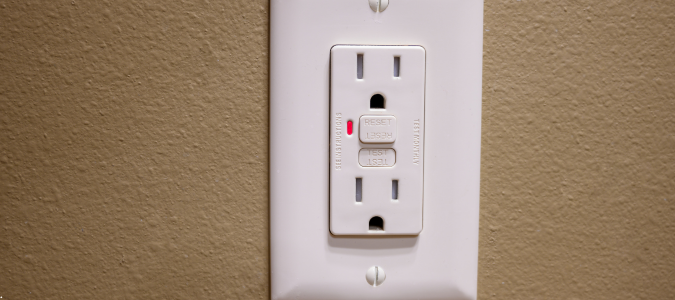
At a glance, a GFCI outlet and a regular outlet, pictured above, look similar. Both deliver power, but they don’t offer the same protection. You plug something in and expect it to work. But behind that simple job, they don’t offer the same level of protection.
A regular outlet gives electricity to whatever is plugged into it. A GFCI outlet does that too, but it also watches the flow of current and shuts power off if it senses an imbalance. That extra safety feature is what makes a GFCI outlet especially important in places where water, humidity or damp conditions could increase the risk of shock.
Here is the basic difference:
The biggest difference is safety. A standard outlet doesn’t react to small current leaks the way a GFCI does. If electricity starts going somewhere it shouldn’t, a regular outlet may keep feeding power unless the breaker trips. A GFCI is built to step in much sooner. That’s why it’s used in bathrooms, kitchens, garages, laundry areas, outdoor spaces and other parts of the home with more moisture.
Cost is another difference, though it should be looked at in context. A GFCI outlet usually costs more than a standard outlet because it has built-in safety components. Still, that added cost is often part of meeting modern electrical code and reducing risk in the right locations. In other words, it’s not just a pricier version of the same thing. It serves a different purpose.
As for code compliance, standard outlets are still perfectly acceptable in many dry areas of the home. Bedrooms, living rooms, dining rooms and other low-moisture spaces may not require GFCI protection in the same way. But in the areas where GFCI protection is required, a standard outlet is not an equal substitute. It may look fine, but it doesn’t provide the same protection.
So, are regular outlets still useful? Absolutely. They still make sense in the right places. But when you are dealing with bathrooms, countertops, garages, patios or anywhere moisture can enter the picture, a GFCI outlet is the better fit. It’s also often the required one.
How to Reset a GFCI Outlet
Resetting a GFCI outlet is usually simple, but it helps to slow down and do it in the right order. If the outlet tripped for a reason, rushing through it can lead to the same problem happening again a few minutes later.
Here is a step-by-step way to reset it:
Step 1: Unplug Connected Devices
Start by unplugging anything connected to the outlet. That includes appliances, chargers and anything else on that circuit. This helps you rule out whether something you plugged in caused the trip.
Step 2: Press the RESET Button Firmly
Find the RESET button on the outlet and press it in all the way. You should feel or hear a small click. If it doesn’t stay in, that usually means the outlet is still detecting a problem.
Step 3: Test the Outlet
Once it resets, plug in a simple device, like a lamp or phone charger, to make sure power is restored. You can also press the TEST button to confirm the outlet trips and resets properly.
Step 4: Check the Breaker Panel (If Needed)
If the outlet won’t reset at all, take a quick look at your breaker panel. Even though GFCIs often trip on their own, sometimes the breaker may have flipped too. Reset it if needed, then try the outlet again.
Step 5: Call an Electrician if it Won’t Reset
If the outlet still won’t reset, or if it trips again right away, there may be a deeper issue. That could be moisture inside the outlet, a wiring problem or a failing GFCI. At that point, it’s best to have a licensed electrician take a closer look.
Disclaimer
If you ever notice a burning smell, discoloration or heat coming from the outlet, skip the reset and have it checked. That is not something to troubleshoot on your own.

How Long Do GFCI Outlets Last?
GFCI outlets aren’t meant to last forever.
Burks says, “I would say typically 10 to 15 years, however they can last longer. The outlets do contain sensitive electronic circuitry and are frequently exposed to moisture. Frequent usage and power surges can shorten their lifespan.”
Sometimes they last longer, sometimes they don’t, depending on how much use they get and where they are installed. An outlet in a quiet guest bathroom may last a long time. One in a garage or on a back patio? That one tends to wear out faster.
Here are some common signs it may be time to replace a GFCI outlet:
- The outlet won’t reset
- It trips randomly or more often than usual
- You notice burn marks or discoloration
- Plugs feel loose or don’t stay in securely
- The test button doesn’t respond
If you are seeing one or more of these, it’s usually a sign that the outlet is no longer doing its job the way it should.
Factors in GFCI Longevity
The environment plays a bigger role than most people think. Heat, humidity and daily use all add up. In Texas, that combination can be tough on electrical components. Outdoor outlets deal with rain and temperature swings. Garage outlets face dust, moisture and heat. Even indoor outlets near sinks or laundry areas can break down sooner over time.
The tricky part is that a failing GFCI doesn’t always stop working all at once. Sometimes it still resets, but not consistently. Other times, it trips more often than it used to, even when nothing obvious has changed.
Frequently Asked Questions About GFCI Outlets
Do all bathrooms need GFCI outlets?
Can a GFCI outlet protect multiple outlets?
What happens when a GFCI trips?
Are GFCI breakers better than outlets?
Why is my GFCI outlet orange or red?
Can a refrigerator be plugged into a GFCI?

When to Call a Licensed Electrician
There are times when resetting a GFCI or unplugging a device isn’t enough. If the outlet keeps tripping without a clear reason, it’s usually a sign that something needs a closer look.
You should call a licensed electrician if you notice:
- Persistent or repeated tripping
- A burning smell or signs of heat
- An outlet that needs to be replaced
- Issues flagged during a home inspection
- Electrical updates as part of a remodeling project
These are not situations to guess your way through. Electrical problems can stay hidden until they suddenly are not, and that is when they tend to cause the most trouble.
Conclusion
Most homeowners only notice GFCI outlets when something stops working. In many cases, that shutdown is the outlet doing exactly what it was designed to do.
ABC’s electrical department sets itself apart by combining 24/7 availability, strict safety compliance, and a long-standing, trusted local presence. This makes them a strong choice for homeowners and for businesses needing reliable and timely electrical service.