ABC Blog

Tankless Water Heaters vs. Tank: Which is Best?
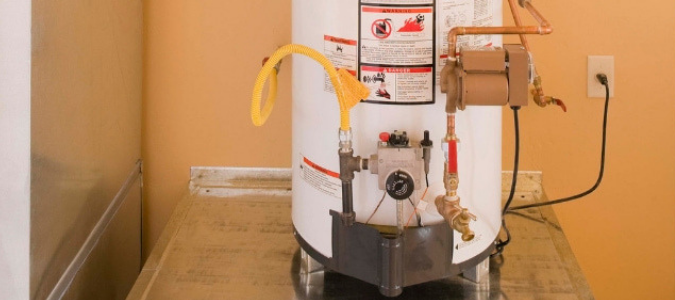
When your water heater starts making knocking noises or stops providing adequate hot water for your home—or, worse, it bursts—it’s time to decide on a replacement model that will best fit your needs. When you start looking into the options, however, you might feel overwhelmed by all the choices that are available. Which are better—tankless water heaters or tank water heaters? What are the advantages and disadvantages of each type, and which kind is right for your particular home?

If you’re considering making the switch from a traditional tank model to a tankless water heater, it could seem especially daunting to decide whether this is the right move. Tankless heaters typically have higher price tags than tank heaters, though their operating costs over time are lower. Even knowing they’ll likely save money over time, many people balk at the prospect of spending so much money up front.

Of course, there are other … Read Full Post »
Causes of Low Water Pressure in Kitchen Sink

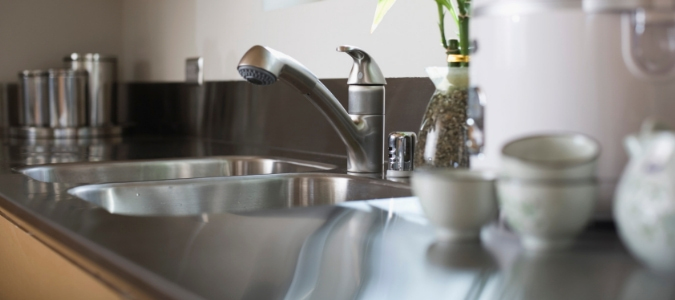
If you begin noticing that the water coming out of your kitchen faucet doesn’t have as much pressure as it should, the first thing to check is whether it’s a whole-house issue. Are all the taps affected, or only the kitchen sink? If the kitchen is the only tap with low pressure, it’s time to consider the potential causes of low water pressure in a kitchen sink so you can determine what might be causing it, and fix it. The next thing to look at is whether you only have low water pressure when the water is hot or cool, or if the water pressure is low no matter the temperature.

According to Michael Marugo, Plumbing Operations Manager at ABC Home & Commercial Services, the most common causes of low water pressure in a kitchen sink are a clogged aerator or a clogged cartridge. The aerator is the part of the … Read Full Post »

Why Clogged Drains From Washing Machines Occur

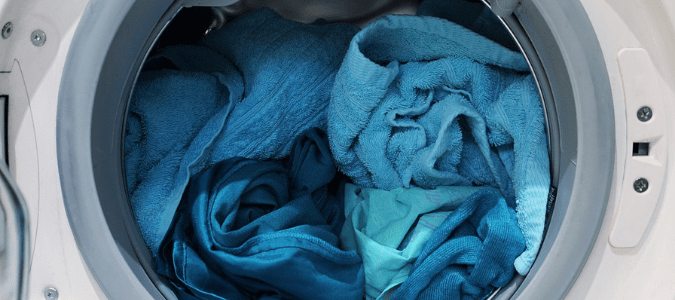
It’s frustrating to put a load of laundry in the washer and press start, only to wind up a half-hour later with a machine full of wet clothes and dirty water that won’t drain. When this happens, it’s most likely because your washing machine drain has a blockage that needs to be cleared before the water can properly exit the machine. The most common reason for a clogged drain from washing machine is an issue with the filter.

Appliance repair specialists find all sorts of items—most commonly, socks, underwear and baby clothes—that have gotten stuck in washing machine filters during the wash or spin cycle. This happens because it’s easy for small items to slip through, block the filter and prevent the washer from draining properly. If your washer isn’t a front-load type of washing machine, however, the problem is likely due to something else, as only front-loading machines are equipped … Read Full Post »

No Hot Water in House: What Can I Do?

When you turn on a faucet in your home, you expect water to come rushing out. When you turn it to hot, you expect the water to heat up—if not immediately, then within a reasonable period of time. That’s why, when there’s no hot water in your house, it’s not just annoying; it’s actually alarming. It can even be considered an urgent problem, especially if you’re turning on your shower to get ready for work. If there’s no hot water in your house, there are several different possibilities for why the water isn’t warming up. Let’s take a look at the various reasons why this can happen and what to do when it does.

The kitchen sink and the shower or tub are the two spots in a home where people most commonly use hot water for hand-washing dishes and for bathing. Many people also use hot water for washing their … Read Full Post »

My AC Won’t Run: How Can I Get My Unit Working?

As temperatures start to rise, most people count on having a working air conditioner. Having a fully functional AC system isn’t just a matter of simple comfort; it can actually be a real health issue, especially on the hottest days of summer. When you turn on the AC, you expect it to do its job quickly and efficiently, which is why if your AC won’t run, it’s a big and urgent problem. The cause of the problem might be as simple as a tripped circuit breaker or a blown fuse, but it could be something more complex and potentially costly to repair, such as a bad motor, burned wiring, a broken thermostat or a refrigerant leak.

The trouble is, most people have no idea their air conditioner is broken until they turn the thermostat down to cool down the house on a warm day and discover that it doesn’t run like … Read Full Post »

No Cold Air From AC: What Can You Do?

When you enter your home after spending time outside on a hot day, there’s nothing quite like the gust of cool air coming from your air conditioning vents. That’s why if you find yourself in a situation where you have no cold air coming from your AC, panic can quickly start to set in. Most likely, you switch into high gear, trying to determine what went wrong and what you can do to get your air conditioner working normally again.

There are several things that could be preventing your AC from blowing cold air, including a problem with your thermostat, dirty filters, a clogged condensate line, a blocked compressor or dirty coils. Your air conditioner is a machine with many parts that need to work together. If any one of these parts isn’t working correctly, you wind up with a system that doesn’t cool anything down or maybe doesn’t blow air … Read Full Post »

Why Does My Water Smell Like Rotten Eggs?

Whether you turned on the sink to do dishes or started the shower to get ready for your day, if your water smells like rotten eggs, you’re probably concerned. Many questions may be running through your head, including: Is this water still safe to use? Can I fix this myself, or do I need to contact a plumber?

There are a few different reasons why your water smells like rotten eggs and depending on the cause, the water may or may not be safe to use, and you may or may not be able to fix this problem yourself. Generally speaking, water smells like rotten eggs when there is sulfur bacteria present. Paying attention to when you notice the foul smell can help you determine what exactly is wrong and whether the water is safe to consume.

If the smell is constant when you are using water from your tap, it is … Read Full Post »

My Garbage Disposal Is Making Noise: How Can I Fix It?

As you’re wrapping up your dish cleaning duties for the night, you flip on the garbage disposal, only to hear a strange noise. It’s not the normal grinding noise that sends food, water and any other gunk right down the drain—it’s a sound that gives you a clear indication that something has gone wrong.

If this has happened to you, you likely heard either rattling, humming or squealing coming from your garbage disposal. Depending on the noise coming from your disposal, there are different solutions to the problem. Before getting started, it’s important to note that you don’t want to keep running your disposal to see if it will fix the problem, as this can lead to further damage.

Remove Any Foreign Objects

The most common cause of a garbage disposal that is making a rattling noise is that something is stuck in the unit. Items that may have gotten accidentally washed into … Read Full Post »

Why Does My Air Conditioner Keep Running When Turned Off?

You are pleasantly surprised that after a heatwave, the weather outside is nearly perfect. So, you turn off your air conditioner and head outside to take advantage of a beautiful afternoon. However, after coming back in a few hours later, you realize that your air conditioner is still running, even though you turned it off. While this is arguably a better situation than having an air conditioner that won’t turn on, it’s still wasting energy and money. So, what can you do to turn off your air conditioner? Or is this a problem that requires the help of a professional?

Electrical issues are the most common cause of an AC unit that won’t stop running and these types of problems typically need to be addressed by a licensed heating and cooling specialist. However, before contacting a professional, you can check your fan to make sure this isn’t the problem.

Sometimes, when cleaning … Read Full Post »

Signs Of Hard Water: Tips From The Experts

Water isn’t something homeowners typically think much about. Turn on a faucet, crank up the shower, push a button on the dishwasher or washing machine and the water flows. Depending on where you live, however, your home might have what’s commonly referred to as hard water, which means that you have dissolved magnesium and calcium compounds and possibly other metallic elements in your running water. If your pipes or appliances are showing signs of hard water, it might be time to take action.

Homes get their water from different naturally occurring sources. Groundwater, a common source, flows through limestone or other rocks, absorbing the minerals contained inside of them. Over time, those minerals build up in a home’s plumbing system. According to the U.S. Geological Survey, 85% of homes in the United States have some level of hard water.

Your water would be labeled “hard” if it contains more than 61 milligrams … Read Full Post »