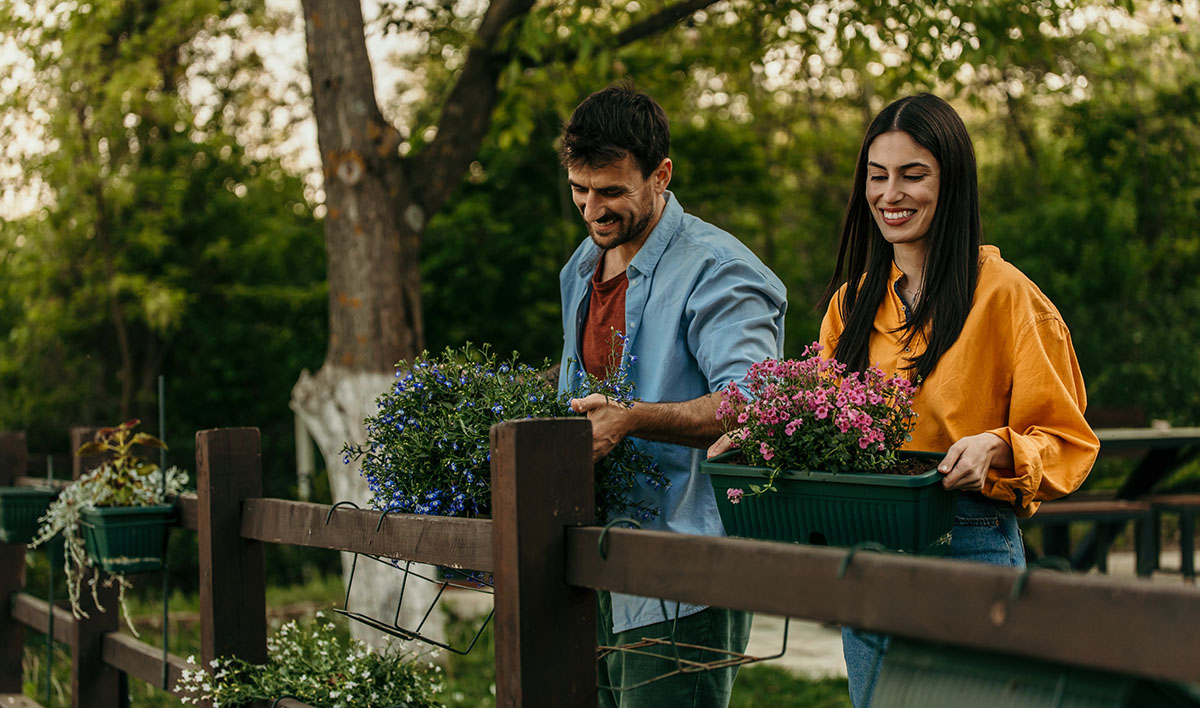
You bring a young oak home in the trunk on a Saturday, already picturing where the shade will fall in ten years. Choosing, planting, and caring for trees and shrubs in your yard starts well before anything goes in the ground. Match the plant to your soil, sun exposure, and available space first. Do that before you match it to how it looks in the nursery. Planting it correctly matters just as much as the species you pick. So does watering it consistently through the first year or two, especially in Texas heat and clay soils. If you’d rather have a second set of eyes on your yard first, our Houston Lawn & Tree team can walk the property with you. Here’s what actually determines whether a new planting establishes well or struggles from the start.
Start With the Site, Not the Plant
It’s tempting to fall for a tree or shrub at the nursery and figure out where it goes later. That order of operations is a common reason new plantings struggle. Texas clay doesn’t forgive a bad planting decision. Neither does a Houston summer. The site should be the starting point instead: how much direct sun it gets, how the soil drains, how much room the plant will have at full size. That narrows your options to what will actually thrive there, not just what might survive there.
Texas properties vary a lot from lot to lot, even within the same neighborhood. Clay soil that holds water in one bed can sit right next to sandy fill that drains fast a few feet away. A spot that gets full sun in winter can fall into shade once a neighboring tree leafs out in spring. Walking your property at different times of day, and ideally across a couple of seasons, gives you a much more accurate picture than a single afternoon assessment.
Matching Species to Texas Conditions
Once you know the site, plant selection gets more straightforward. Texas summers put real stress on anything not suited to the heat. Long dry stretches punish species that need consistent moisture. Native and well-adapted regional species generally handle both better than plants bred for cooler, wetter climates. So it’s no surprise so many long-established yards here lean on the same handful of proven trees and shrubs.
If you’re deciding between species, our guide to Texas native trees is a good starting point. Those options are already suited to local rainfall patterns and soil types, not needing constant intervention to survive here. Texas A&M AgriLife Extension’s plant guidance is a solid independent reference for confirming a species’ regional fit before you commit to it. For a specific and popular choice in this region, our palm tree care guide covers what that species needs specifically. Palms have different water and soil requirements than most shade trees.
What’s Different About a Shrub for a Full-Sun Spot
Full sun is one of the more demanding placements for a shrub. It means consistent heat and moisture loss with little relief during the hottest parts of the day. A shrub chosen for a shaded bed and planted in full sun instead will often show it within the first season: scorched leaf edges, slower growth, more frequent wilting between waterings. Wrong spot, wrong result. Every time.
The shrubs that hold up best in full-sun Texas spots tend to share a few traits. Deeper or more extensive root systems once established. Some natural drought tolerance. Foliage that’s adapted to handle direct light without burning. What most homeowners don’t realize is that a plant tag’s “sun to partial shade” label covers a wide range of actual tolerance. When you’re shopping for a full-sun spot specifically, ask directly whether a variety is suited to full, all-day sun exposure in your region, not just the general label on the tag.
When to Plant a Tree in Texas
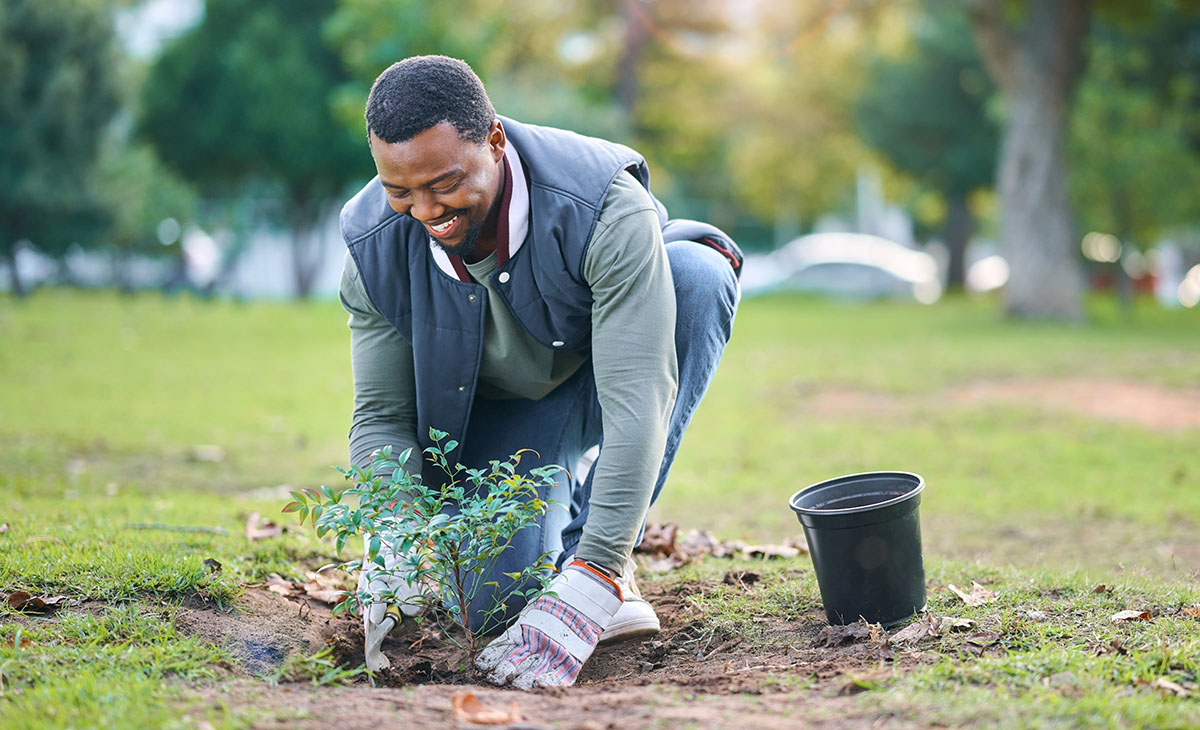
Timing affects how well a new tree establishes. In Texas, that timing runs a little differently than the spring-planting advice written for cooler climates. Fall and winter, when the tree is dormant and the ground is workable but summer heat isn’t yet stressing the root system, is generally the better window for planting here. A tree given a full cool season to establish roots before the following summer has a real head start over one planted right as the heat sets in.
That doesn’t mean the first warm week of spring is off the table. It’s done successfully all the time. It just means a spring-planted tree is working with a shorter runway before its first real Texas summer. Extra attention to watering in that first year becomes more important, not less.
Watering a New Tree Through Its First Year
New trees need considerably more water than established ones. Their root system hasn’t yet spread out enough to pull moisture from a wide area on its own. Most newly planted trees benefit from deep, consistent watering: soaking the root zone thoroughly rather than a quick daily sprinkle that only wets the surface. The frequency should taper as the tree settles in and root growth expands.
The exact schedule depends on the species, the season, and your soil’s drainage. That’s part of why a blanket “water twice a week” rule doesn’t hold up equally well everywhere. Our guide to watering a new tree breaks down how that schedule should shift over the first year as the tree establishes. It’s worth reading in full if you’ve just planted.
How Far Trees and Shrubs Should Be From Your House
Planting distance from a structure matters for more than looks. Root systems can eventually affect foundations, plumbing, and hardscaping if a large tree is placed too close. Branches that overhang a roofline create their own maintenance considerations over time.
The right distance depends heavily on the mature size of the species. A large shade tree needs considerably more clearance than a compact ornamental shrub, which is why “how far” doesn’t have one universal answer. Our guide on how far tree branches should be from a house goes through the specific distance considerations by tree type and mature canopy size. It’s worth checking before you plant anything with real long-term size potential.
Ongoing Care Beyond the First Year
Once a tree or shrub is established, typically after that first full year or two of consistent watering, the maintenance load generally drops. It doesn’t disappear, though. Established plantings still benefit from periodic checks: mulching to regulate soil moisture and temperature, occasional pruning for structure and airflow, and simple observation for anything that looks off. That could be a change in leaf color, unusual dieback, or slower growth than expected for the season.
Some species need more of this ongoing attention than others. Oak trees, for instance, are typically low-maintenance once mature. But they’re long-lived enough that early structural pruning decisions matter for decades. Our guide to oak tree lifespan gets into how long a well-established oak can realistically serve a property. That’s useful context when you’re deciding how much to invest in one early on. We’ve walked Houston yards since 1949, three generations of the same eye for what actually holds up here, and a well-placed oak still outlives everyone who plants it. AgriLife’s Earth-Kind landscaping program is a useful ongoing reference for the region-specific maintenance practices that keep an established planting healthy for the long haul.
FAQ
What’s the best time of year to plant a tree in Texas?
Fall and winter, while the tree is dormant and the ground is workable but before summer heat sets in, generally give a new tree the best head start. Spring planting works too, but the tree has a shorter window to establish roots before its first Texas summer, so consistent watering matters even more in that scenario.
How do I choose the right shrub for a spot in full sun?
Look for species with some natural drought tolerance, deeper or more established root systems, and foliage suited to direct, all-day sun rather than a general “sun to partial shade” label. Full sun in Texas is a demanding placement, and a shrub not suited to it will often show scorching or slow growth within the first season.
How often should a new tree be watered in its first year?
New trees generally need deep, consistent watering rather than light daily sprinkling, with the frequency gradually decreasing as the root system establishes. The exact schedule depends on species, season, and soil drainage. Our dedicated watering guide covers how that timeline should shift.
Should trees and shrubs be planted a certain distance from the house?
Yes. The right distance depends on the plant’s mature size, since a large shade tree needs more clearance from foundations and rooflines than a compact shrub. Planning for the plant’s full-grown size at planting time avoids costly relocation or removal later.
Getting a new planting matched to your site and off to a strong start makes a real difference in how it looks and performs for years afterward. Call us at (281) 730-9500, or reach out through our Houston Lawn & Tree team page, and we’ll walk your property with you.