
The parts of a home that cause the biggest repair bills are usually the ones nobody’s looking at on a regular basis: gutters, weatherstripping, dryer vents, and the exterior surfaces that quietly take on wear all year. An everyday home maintenance checklist that covers these areas a few times a year catches small issues while they’re still small. Here’s what’s worth putting on that list and how often to actually look.
The Small Stuff That Turns Into Big Repairs
Most homeowners have a mental list of the obvious maintenance items: mowing, HVAC filters, maybe gutters if a storm just came through. What tends to fall off that list are the tasks that don’t have an obvious trigger: checking caulk around windows before it cracks, testing GFCI outlets that never get used, or noticing that a bathroom fan has been running quieter than it should for months.
None of these are urgent on any given day, which is exactly why they get skipped. A little bit of cracked caulk doesn’t look like a problem until water’s been getting behind a window frame for a season. A slow drain doesn’t look like a plumbing issue until it’s a backed-up one. The pattern across almost every “surprise” repair call is the same: something was quietly getting worse for a while before it became visible.
Exterior Checks Worth Doing Between Professional Cleanings
The exterior of a home takes the brunt of Texas weather, and it’s easy to assume everything’s fine between scheduled cleanings if nothing looks obviously wrong from the street. A closer look tells a different story more often than not. Gutters that are pulling slightly away from the fascia, small gaps in caulking around trim, or a section of siding that’s started to hold moisture longer than the rest of the house are all things a homeowner can spot with a five-minute walk around the property.
Our guide to maintaining your home’s exterior between professional cleanings covers a more complete list of what to check and roughly how often, which is worth a look if exterior upkeep tends to fall to the bottom of your list. The short version is that a quick visual pass every couple of months catches most of what would otherwise wait until the next scheduled service to get noticed.
Indoor Air and Dust: An Easy-to-Ignore Warning Sign
Dust that seems heavier than usual, or that comes back quickly after cleaning, is one of the more overlooked signals in a home. It’s easy to chalk up to the season or to not vacuuming often enough, but persistent, heavy dust can also point to something mechanical: a failing air filter, ductwork that needs attention, or gaps somewhere that are letting in more outside air and particulates than the house was designed for.
If dust has become a recurring frustration rather than an occasional annoyance, our breakdown of what causes excessive dust in a house walks through the most common underlying causes. It’s a good example of a maintenance issue that looks cosmetic on the surface but is often a symptom of something else worth checking. Texas’s long pollen season and the amount of time HVAC systems run here, cooling for months on end rather than cycling on and off with mild weather, both put more strain on filters and ductwork than a shorter, milder season would. The EPA’s indoor air quality guidance covers the broader mechanics of what drives indoor dust and air quality if you want the fuller picture.
A Simple Seasonal Home Maintenance Routine
A routine doesn’t need to be complicated to be effective. Breaking maintenance into a few checks per season, rather than one long list once a year, spreads the work out and makes it far more likely to actually happen.
Late winter into spring is a good time to check exterior caulking and weatherstripping after a season of temperature swings, inspect the roof and gutters for anything winter storms may have loosened, and test smoke and carbon monoxide detectors.
Summer is when Texas heat and humidity put the most strain on a home, so this is the window to check attic ventilation, look at exterior paint and siding for early signs of sun damage, and confirm that bathroom and kitchen exhaust fans are actually venting outside rather than just running.
Fall is worth using to clear gutters and downspouts before the next round of storms, check exterior doors and windows for drafts before cooler weather sets in, and look over any wood surfaces — decks, fences, trim — for the kind of wear that shows up after a full summer of sun exposure.
Winter, even in a mild Texas climate, is a reasonable time to check for drafts around doors and windows, test outdoor faucets and irrigation lines for any freeze-related issues, and take stock of anything flagged earlier in the year that hasn’t been addressed yet.
Why Regular Exterior Cleaning Belongs on the List
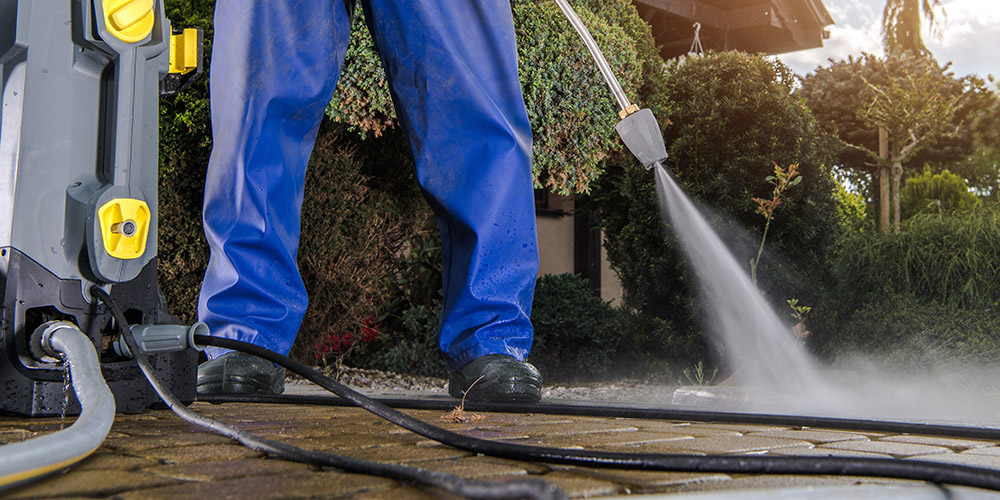
Cleaning gets treated as cosmetic more often than it should. Built-up grime, pollen, and organic growth on siding and hardscapes aren’t just an appearance issue; left long enough, they can hold moisture against surfaces that weren’t built to stay damp, which speeds up wear in ways that aren’t obvious until a repair is needed. Our piece on the role regular exterior cleaning plays in overall home maintenance goes into more detail on that connection, and it’s a useful read if cleaning has always felt like a separate task from “real” maintenance.
Building a Maintenance Habit That Actually Sticks
The biggest reason maintenance checklists don’t get followed isn’t a lack of information, it’s a lack of a trigger. Putting a reminder on a calendar tied to something that already happens each season, like changing HVAC filters or checking detector batteries, makes it much easier to fold the smaller checks in at the same time rather than needing a separate mental note.
It also helps to keep a short running list somewhere visible, even a note on the fridge, of anything noticed in passing that isn’t urgent enough to address the same day. A slightly sticky door, a faint drip under a sink, a gutter downspout that seems to run slower than the others: these are exactly the kind of small observations that get forgotten by the time a free weekend rolls around, unless they’re written down when they’re noticed.
When a Task Is Bigger Than a Weekend Project
Some items on a maintenance list are well within reach for most homeowners: caulking a window, testing a detector, clearing debris from a gutter. Others, especially anything involving rooflines, electrical work, or structural components, are worth a trained set of hands rather than a first attempt with a ladder and a Saturday afternoon. Knowing which category a task falls into before starting is often the difference between a maintenance job and an unplanned repair, and that’s usually the moment to hand the rest of the list to a professional rather than push through it alone.
FAQ
What home maintenance tasks get skipped most often?
Tasks without an obvious trigger tend to get skipped the most: caulking around windows, testing GFCI outlets, checking dryer vent airflow, and inspecting exterior surfaces between scheduled cleanings. None of these look urgent on any given day, which is exactly why they’re the ones that get put off until they turn into a repair.
How often should I check the small, easy-to-forget parts of my home?
A quick visual check every couple of months, paired with a more thorough seasonal pass four times a year, catches most issues while they’re still minor. Tying these checks to something you already do seasonally, like changing HVAC filters, makes the habit far easier to keep.
What does a simple seasonal home maintenance routine look like?
It generally breaks into caulking and detector checks in late winter, ventilation and sun-damage checks in summer, gutter and draft checks in fall, and freeze-related checks in winter. Spreading the work across the year, rather than tackling it all at once, is what makes a routine realistic to actually follow.
A lot of these checks are simple enough to handle yourself, but the tasks that involve rooflines, electrical components, or anything structural are worth having a trained hand look at before they become bigger repairs. If you’re in the Austin area, ABC’s handyman team can take on the parts of the list that are better left to a professional.