
When a kitchen appliance is not working the way it should, it rarely means the same thing twice. A refrigerator that runs but won’t get cold, a dishwasher that finishes a cycle but leaves dishes dirty, and a gas stove igniter that clicks without ever lighting are three different mechanical problems with three different likely causes. The fastest way to figure out what’s actually wrong is to match the symptom you’re seeing to the part behind it, then decide whether it’s something worth checking yourself or a job for a technician.
Start With the Symptom, Not the Appliance
It’s tempting to think of a “broken fridge” or a “broken dishwasher” as one problem, but each appliance has several systems that can fail independently, and each failure looks a little different. A fridge that’s warm but silent points somewhere different than a fridge that’s running loudly but still warm. A dishwasher that won’t fill points somewhere different than one that fills, runs, and still leaves food on the plates. Before you assume the whole unit needs replacing, it helps to walk through what the specific symptom usually means.
That’s the purpose of this guide: a starting point that helps you sort a kitchen appliance complaint into the right category, with links to a deeper breakdown for each specific symptom once you know which one you’re dealing with.
Why Your Refrigerator Runs But Won’t Get Cold
This is one of the most common refrigerator complaints, and it has a handful of usual suspects. If the fridge is running (you can hear the compressor humming) but the inside temperature is climbing, start with the basics: the condenser coils on the back or underneath the unit collecting dust, a door seal that’s no longer sealing tightly, or a defrost drain that’s iced over and blocking airflow to the evaporator coils. A fridge packed too full can also block the internal vents that circulate cold air, which mimics a mechanical problem when the real issue is just airflow.
If the fridge isn’t running at all, the list shifts toward electrical: a tripped breaker, a bad start relay, or a compressor that’s failed outright. A refrigerator that’s warm and silent is a different repair than one that’s warm and running hard, so noting which one you’re hearing is useful information before anyone opens the unit.
Either way, a warm refrigerator is worth acting on sooner rather than later, since food safety is on the clock the moment the internal temperature climbs out of the safe range. That clock moves faster in a Texas summer kitchen, where a refrigerator is already working against higher ambient heat just to hold its normal temperature, so a coil or seal problem that would be a slow leak in a cooler month can push interior temperature out of range noticeably faster in July or August.
Why Your Dishwasher Isn’t Cleaning Dishes Properly
A dishwasher that runs a normal cycle and still leaves cloudy glasses, gritty plates, or food residue behind is almost never a sign the whole machine has failed. More often it’s one of a small set of issues: a clogged spray arm with blocked holes, a filter basket that hasn’t been cleaned out in a while, water that isn’t reaching a high enough temperature to break down grease, or a detergent dispenser that isn’t opening at the right point in the cycle.
Our guide on the signs of a malfunctioning dishwasher breaks down the specific symptoms worth watching for and what each one usually points to, and this piece on common dishwasher problems goes deeper into troubleshooting steps before you call for repair. Worth noting: certain household cleaning products should never go anywhere near a dishwasher’s wash cycle, since the wrong compound can damage seals and components rather than help them. That’s a separate rabbit hole, but one worth avoiding if you’re troubleshooting on your own.
Why Your Gas Stove Igniter Clicks But Won’t Light
This is one of the more recognizable appliance complaints because the sound is so specific: a rapid clicking that continues but no flame appears. It usually comes down to one of a few culprits — a burner cap or igniter that’s collected food debris or moisture, a burner that isn’t seated correctly after cleaning, or an igniter component itself that’s reaching the end of its life. In many cases, this is a symptom you can address yourself with a thorough cleaning of the burner assembly, but a persistent click with never a flame can also mean gas isn’t reaching the burner, which is worth having checked rather than living with. For a full walkthrough of causes and fixes, see our dedicated guide on a gas stove igniter that keeps clicking.
When the Oven Doesn’t Heat but the Stovetop Still Works
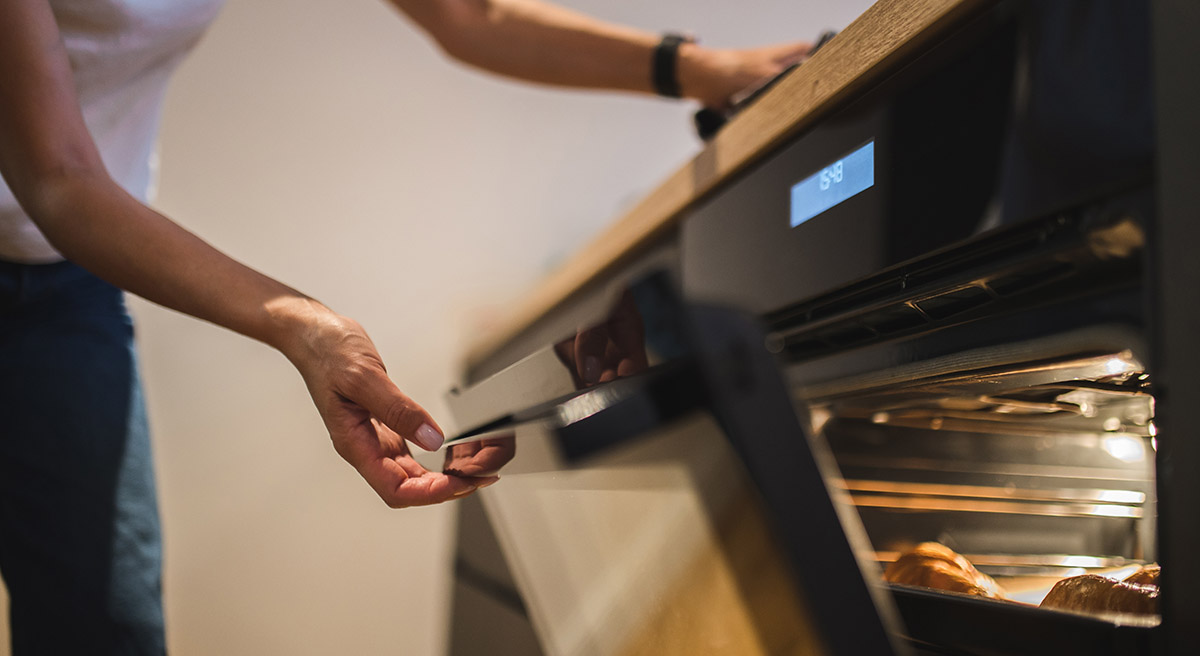
A related but separate complaint: the burners on top light and heat normally, but the oven itself won’t come up to temperature. Since the stovetop and oven are largely independent systems sharing one gas or electric supply, this usually points to something specific to the oven cavity — an igniter, a heating element, or a control board issue — rather than anything affecting the whole appliance. Our guide on an oven that won’t heat up while the stove still works covers this symptom in detail, including which causes are worth a DIY check first.
When It’s a Simple Fix and When to Call a Technician
A useful rule of thumb: if the fix involves cleaning something (coils, filters, spray arms, burner caps) or resetting something (a breaker, a control panel), it’s reasonable to try that yourself first. If the fix involves gas lines, electrical components inside the appliance housing, or refrigerant, that’s the point to bring in someone trained to work on it safely. Beyond the safety question, appliances under manufacturer warranty can lose that coverage if they’re opened up by someone other than an authorized technician, so it’s worth checking your warranty terms before you start disassembling anything. ENERGY STAR’s appliance efficiency resources are a useful outside reference for how these systems are designed to run when everything’s working properly.
If you’ve gone through the basic checks for your specific symptom and the appliance still isn’t behaving, that’s the point where ABC’s appliance repair technicians can usually diagnose the real cause faster than continued guesswork, especially for anything involving gas, electrical components, or refrigerant that shouldn’t be a DIY project in the first place.
FAQ
Why is my fridge running but not staying cold?
This usually points to restricted airflow or a seal problem rather than a failed compressor. Check the condenser coils for dust buildup, make sure the door gasket is sealing all the way around, and confirm the interior vents aren’t blocked by food. If the fridge is running hard but still warm after those checks, the compressor or a refrigerant issue is more likely and worth having inspected.
Why won’t my dishwasher clean dishes properly?
Cloudy glasses or leftover food residue are most often caused by a clogged spray arm, a dirty filter basket, or water that isn’t reaching the temperature needed to break down grease. Clean the filter and spray arm holes first, then check your water heater setting, since dishwashers rely on incoming hot water to get dishes truly clean.
Why does my gas stove igniter keep clicking without lighting?
A continuous click with no flame usually means the igniter or burner cap has collected moisture or food debris, or the burner isn’t seated correctly after cleaning. A thorough cleaning solves it in many cases. If the clicking continues with no flame at all after cleaning, gas may not be reaching the burner, which is worth having checked rather than continuing to try to light it manually.
Whatever the specific symptom, a kitchen appliance that isn’t behaving the way it should is worth diagnosing properly rather than guessing your way through a repair. If you’ve gone through the checks above and things still aren’t adding up, ABC’s appliance repair team for the Austin area can take a look and tell you exactly what’s going on before any work begins.