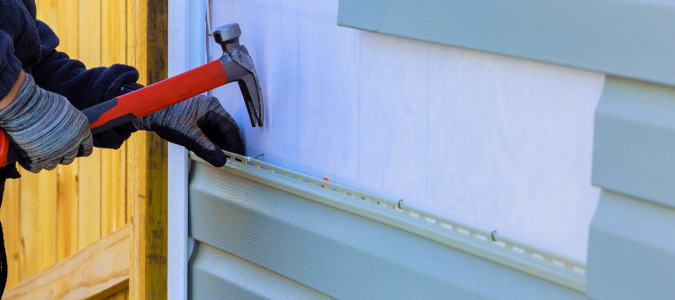
Whether to repair or replace siding depends on the extent of the damage. Small, isolated issues like a single damaged section or a small crack can usually be repaired. But problems like rot behind the walls, hail damage across multiple elevations or siding nearing the end of its typical lifespan usually call for a full replacement.
What does it mean to replace the siding on your house? Put simply, it means removing existing exterior siding and installing new siding. There are two main reasons homeowners do this: to protect their home from the elements and to improve the appearance of their home’s exterior.
If your current siding shows signs of moisture damage or requires frequent maintenance, replacing it may be the best option. The average lifespan of siding depends on the type of siding material you use and how well you maintain it.
For example, vinyl and wood siding can last between 20 and 40 years, while fiber cement siding lasts 30 to 50 years and metal siding lasts 50 to 70 years. Weather damage, how the siding was installed and climate also impact the lifespan of siding.
If you’re considering replacing the siding on your Texas home, this comprehensive article will tell you everything you need to know. Keep reading to learn if replacing siding is worth it, signs it’s time to replace your siding, the best types of siding for Texas homes and more.
Is Replacing Siding Worth It?
Use the following table to determine if you should repair or replace your siding.
Why Homeowners Replace Their Siding
The main reasons homeowners replace their siding are age, weather damage, moisture problems, energy efficiency and curb appeal.
Age
Siding will begin showing signs of wear and tear toward the end of its lifespan. However, the lifespan of siding depends on the material it’s made from.
- Vinyl siding: 20 to 40 years
- Fiber cement siding: 30 to 50 years or more
- Wood siding: 20 to 40 years with proper maintenance
- Engineered wood siding: 20 to 30 years
- Stucco: 50 to 80 years or more when properly installed and maintained
- Aluminum siding: 30 to 50 years
Keep in mind that these are ranges and that other factors impact the lifespan of siding, including climate, weather damage, maintenance and installation.
Weather Damage
Texas homeowners deal with the threat of hail, high winds, UV exposure, heavy rain and humidity, and each of these weather events can damage exterior siding.
For example, hail can crack siding while high winds can tear it away from the house. Over time, UV exposure can cause siding to fade and deteriorate, while heavy rain and humidity can create moisture problems.
Moisture Problems
Persistent moisture on your siding can cause rot, mildew, water intrusion and even hidden structural damage to your home. The real damage occurs when moisture gets trapped behind your siding. If you notice that your siding feels soft or swollen, the paint is peeling or it gives off a musty smell, moisture issues are likely the culprit.
Since moisture issues are often unseen, replacing the siding is the best way to find the source of the problem.
Energy Efficiency
Weak or damaged siding can cause air and heat to leak from your home, leading to higher energy bills. Replacing your siding can solve these issues and make your home feel more comfortable.
With a better exterior seal, your home’s heating and cooling system won’t have to work so hard, which will also help bring your bills down.
Curb Appeal
Want to give your home a fresh look? Replacing exterior siding is an easy way to make a big improvement to your home’s curb appeal.
Signs It’s Time to Replace Your House Siding
There are several signs that it’s time to replace your siding, including warping, loose panels, mildew and more. Keep reading to understand what each sign looks like, why they matter and if replacement is completely necessary.
Warping
Warped siding appears bent, buckled, wavy or pulled away from the wall rather than lying flat. It’s important to pay attention to signs of warping because severely warped siding can no longer protect your home from the elements.
In most cases, you can simply replace the siding that’s warped rather than replacing the siding on your entire house. However, in more advanced cases of warping, total replacement may be necessary.
Rot
Rotted wood siding looks discolored, crumbly, split or deteriorated. It often appears near areas exposed to moisture, such as around windows and doors.
Replacing rotted siding matters because the moisture can affect the materials beneath the siding, causing further damage to your home. You can likely replace only the rotted portions of siding rather than replacing all your siding.
Soft Spots
If your siding has soft spots, it will feel weak or spongy when you touch it. Soft spots often indicate moisture damage and require immediate attention. If the problem is advanced, you may need to replace the siding around your entire home. However, in most cases, you can simply replace the affected siding.
Cracks
Visible cracks, holes and broken sections of your siding panels should not be ignored, as they can allow water and pests to get behind your siding. Cracked siding needs to be replaced, not repaired, to restore your home’s seal.
Loose Panels
Loose panels look like your siding is pulling away from your home’s exterior, and they may even move in the wind. Like with cracks, loose panels can allow moisture to get behind your siding and cause extensive damage.
It’s possible to repair loose panels by securing them to your home. However, if the panels are damaged, replacement is the better route.
Mildew
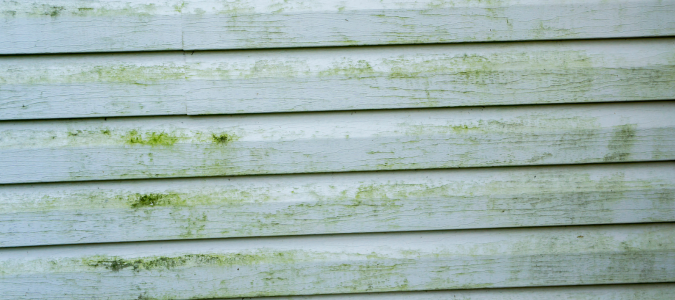
Mildew on your siding looks like dark growth, and it likely appears in shaded or damp areas of your home’s exterior. Persistent mildew can lead to moisture damage, so it’s important not to ignore any growth.
Surface mildew alone doesn’t require siding replacement. Oftentimes, you can simply clean it off your siding. However, if soft spots, moisture damage or rot are also present, replacement is needed.
Interior Water Damage
If you notice water stains, peeling paint or bubbling drywall on your interior walls, your siding may have interior water damage. Water damage can cause severe structural damage to your home, so it’s important to act fast when you notice it.
Before replacing your siding, find the source of the water damage, such as a leak, and fix it. Then, inspect your siding to determine if any parts need to be replaced.
High Energy Bills
If your energy bills have spiked despite maintaining the same usage, leaking air and heat could be the problem. Your home’s exterior could be the cause, so it’s important to inspect your siding for damage. A contractor can tell you if repairing or replacing your siding will improve insulation.
Faded Appearance
If your siding has faded over time, replacing it will give your home a fresh look and increase your curb appeal. New siding is a great option for homeowners planning to put their home on the market.
Frequent Repairs
If you find yourself frequently repairing your siding, it may be time to replace it. It’s possible that your siding is at the end of its lifespan, and replacing it could be more cost-effective than constant repairs.
Repair Versus Replace: How Do You Decide?
Ask yourself these questions to decide whether you should replace or repair your siding:
- Is the damage localized?
- Is the siding discontinued?
- Is there moisture behind the siding?
- Is the color faded?
- How old is the siding?
Best Types of Siding for Texas Homes
Texas homes face humidity, heavy rain and high temperatures, so it’s important to choose a siding material that’s durable.
Vinyl
Pros:
- Affordable
- Low maintenance
- Available in many colors and styles
- Moisture resistant
- Easy to install
Cons:
- Can crack or become brittle
- Darker colors fade due to sun exposure
- Hail causes severe damage
Vinyl siding is best for homeowners looking for a budget-friendly, low-maintenance option with multiple design choices.
Fiber Cement
Pros:
- Resistant to rot, insects and moisture
- Mimics the style of wood
- Durable to weather exposure
Cons:
- More expensive than vinyl
- Harder to install
- Paint finish requires more maintenance
Fiber cement siding holds up well against the Texas climate and is fire-resistant.
Engineered Wood
Pros:
- Wood-like appearance
- Easier to install than fiber cement
- Available in a variety of colors and styles
- Durable
- More cost-effective than wood
Cons:
- Vulnerable to moisture if not installed correctly
- Damaged by impact (such as hail)
- Requires more maintenance than vinyl
Engineered wood offers the look of wood at a friendlier price, but it’s important to note that it often requires more maintenance than vinyl siding to ensure that it stays in good condition.
Natural Wood
Pros:
- Natural and authentic appearance
- Can be painted or stained
- Easy to replace or repair individual boards
Cons:
- Requires the most maintenance
- Vulnerable to rot and moisture damage
- Can crack or fade
- Requires periodic painting or staining
Wood siding requires more maintenance than synthetic types to maintain its appearance and condition. In Texas, high humidity can be extremely damaging to wood siding.
Metal
Pros:
- Durable against rot
- Very low maintenance
- Offers an industrial appearance
- Weather-resistant
Cons:
- Can be dented by hail or other damage
- Scratches and dents can cause corrosion
- More expensive than vinyl
If you prefer a modern look, metal is a good choice. It’s durable and low-maintenance; however, it can become damaged by weather issues.
What Happens During a Siding Replacement Project?
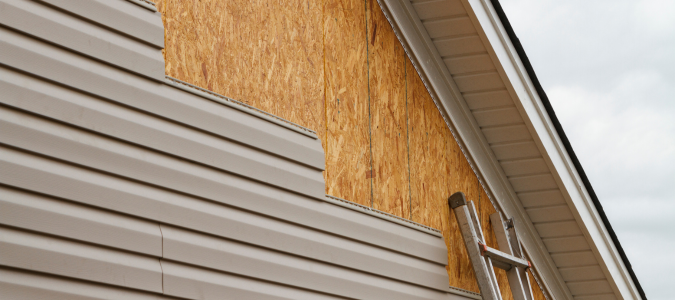
There are ten steps to replacing siding:
- Inspection
- Taking measurements
- Ordering the materials
- Removing old siding
- Inspecting sheathing
- Moisture barrier installation
- Installing new siding
- Trimming and caulking
- Cleanup
- Final walkthrough
Can You Stay in Your Home During Siding Replacement?
It’s up to you whether you want to stay in your home during siding replacement or not. While it’s technically an option since the work is done outside, there will be lots of dust and noise.
Common Mistakes Homeowners Make
The most common mistakes homeowners make when it comes to installing new siding are choosing cheap materials and using uninsured contractors to install it. Additionally, choosing appearance over climate durability can cause major headaches down the road.
How to Maintain Your New Siding
Follow these tips to maintain your new siding:
- Create a regular cleaning and inspection routine
- Pressure wash your home when needed
- Keep your gutters clean
- Repair caulking damage when needed
- Repaint when needed
Frequently Asked Questions
How often should siding be replaced?
Can siding be replaced one wall at a time?
Can siding be installed over old siding?
How long does fiber cement last?
What siding increases home value the most?
Does new siding lower energy bills?
Contact the Pros to Replace Your Siding
Texas homeowners need to understand the warning signs when it comes to damaged or old siding. When it’s time to replace it, make sure you choose the best material that will hold up in the hot Texas climate.
If you aren’t sure whether you should repair or replace your siding, contact a professional contractor for an inspection and guidance.
