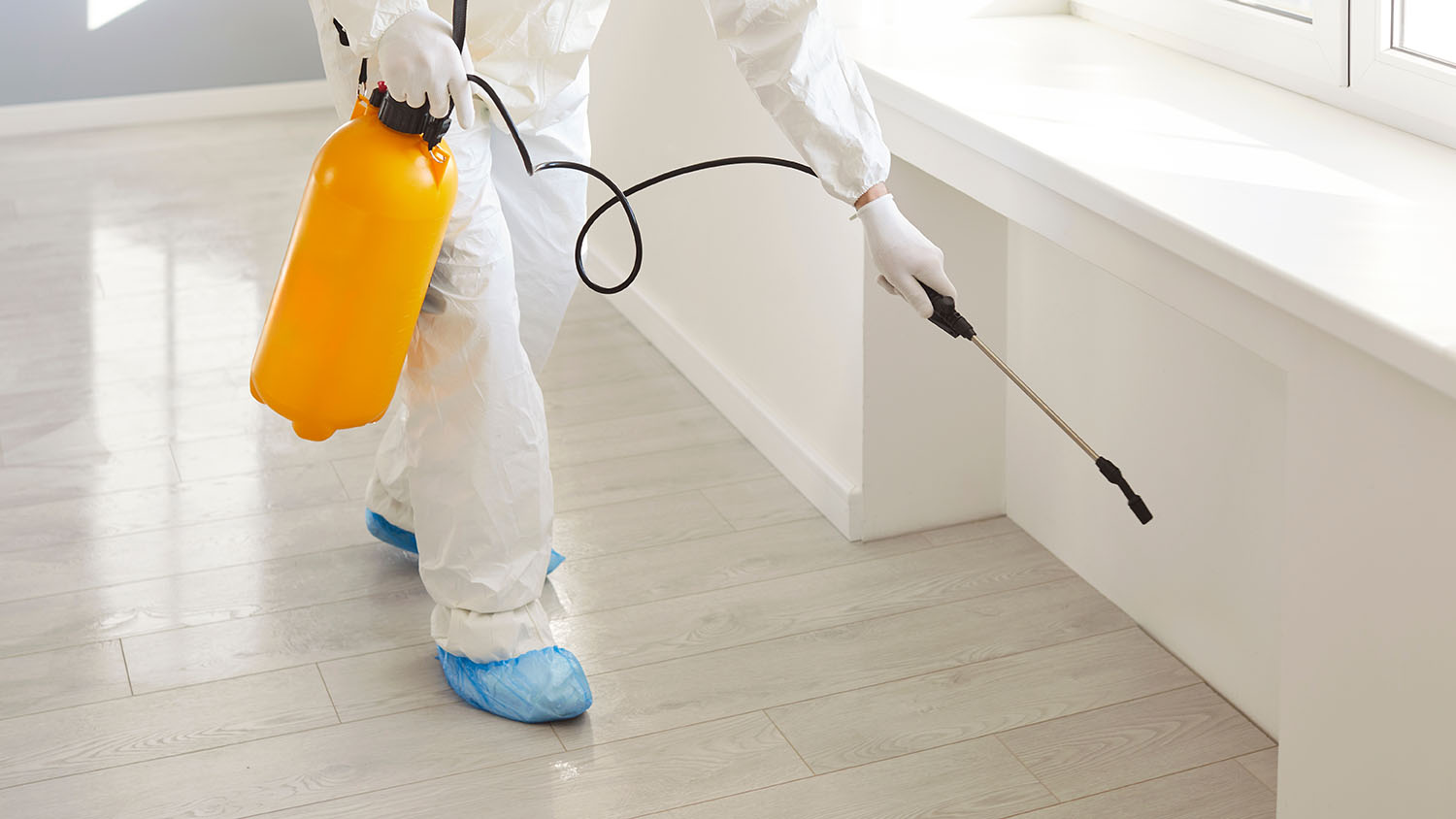
You call three companies in one afternoon, and by the third one, they all start to sound the same. Same script. Same “we’ll take care of it.” The best pest control company can tell you exactly how they’ll handle your problem. They’ll tell you who’s doing the work. They’ll tell you what happens if the pest comes back. That’s how you judge professional pest control in Houston, not by lining up quotes side by side. Houston doesn’t make this easy on anybody — there’s a reason people call it the bug capital of the world — so the person standing on your porch needs real training behind them, not just a truck and a can of something. Ask these seven questions before you sign anything. You’ll learn more in five minutes than any ad or star rating will tell you.
1. Who Is Actually Doing the Work, and What’s Their Training?
Anyone can hold a can of product. What separates a trained pest professional from a warm body with a truck is ongoing education. A good technician knows why a pest showed up. They know where it’s probably nesting. And they know how to get rid of the conditions that invited it in, not just the bug you can see today. That’s the difference training actually makes. It shows up in the visit, not on a résumé.
Ask how often technicians get continuing training. Ask if any of it goes beyond the state minimum. Specifics are the tell. “Quarterly.” “In-house sessions led by an entomologist.” A named certification track. Vague reassurance measures nothing. Years on the job is one thing. Ongoing education is another. Only one of them tells you whether a technician’s knowledge is actually current.
Here’s the thing: if you’re dealing with something identifiable, like big black ants trailing across a patio or roach eggs tucked behind a cabinet, a well-trained technician should name the species on sight. They should explain the likely entry point. They should describe the pest’s full life cycle before they ever open a toolbox. If a technician can’t do that on the spot, that tells you something too. The visit is going to be guesswork, not diagnosis.
2. What Does a Standard Visit Actually Include?
“We’ll take care of it” isn’t an answer. A real answer describes a process. A process, not a promise. An inspection, inside and out. Treatment of the problem areas you actually have. A written summary of what they found and what they did.
Ask what a first visit looks like compared to a routine visit later on. Some pests need more than one type of visit before they’re fully handled. A company dealing with something like bed bugs should walk you through inspection, treatment, and a follow-up check. Not one stop-and-go appointment. If the answer sounds rushed, that’s often a preview of how the actual service will go.
A strong answer also names a timeframe. How long does a typical visit take for a property your size? What should the technician be doing, room by room inside or zone by zone outside? A company that can walk you through the shape of a visit before it happens has a real process. One that can’t is improvising as they go.
3. How Do They Track What’s Happening Between Visits?
This is where a lot of companies quietly fall short. Pest activity changes between visits. A company that shows up, treats, and leaves has no record of whether things are getting better, worse, or staying the same. So ask whether they log activity at each visit. Ask whether you can actually see that history.
Some companies now offer customer-accessible trending data. That’s a record of what was found, visit by visit, so you can see a pattern instead of guessing. It’s a real differentiator worth asking about directly, because most companies in this space don’t offer it. If a company can show you what that record actually looks like, not just describe it, that’s a far stronger answer than a general “we keep notes.”
4. Are They Licensed, Insured, and Willing to Prove It?
This should be a simple yes with a number attached, not a pause. In Texas, structural pest control businesses and the technicians who apply treatments are licensed through the Texas Department of Agriculture’s Structural Pest Control Service. That license is public record. You can look up a company’s status before you ever let anyone into your home. Ask for the license number directly, and check it yourself if you’d like.
And insurance matters too, separate from licensing. A company should carry general liability coverage in case something goes wrong on your property. A reputable one will tell you that without hesitating. A weak answer sounds like hesitation. Or a promise to “email it over” that never shows up. Or a redirect to “we’re fully insured, don’t worry about it” with no number and no carrier named.
5. How Do They Communicate and Document Their Work?
Ask what you’ll actually get after a visit. A written summary. A service report. An emailed receipt showing what was applied and where. That’s the difference between a company you can hold accountable and one you’re just trusting on faith. If you ever need documentation for a landlord, an insurer, or a home sale down the road, you’ll want a company that already keeps records like this as a matter of course.
Same-day availability is worth asking about too. Especially with something urgent, like fleas tracked in by a pet or a mosquito problem that’s making the backyard unusable. Some companies can get a technician out the same day if you call before a set cutoff on weekdays. Ask what that cutoff is, and whether it applies in your service area.
6. What Happens If the Pest Comes Back?
No company can promise a pest will never return. Pests move in from outside, and conditions change season to season. What a reputable company can tell you is what happens if activity comes back between scheduled visits. Is there a follow-up included? Under what terms?
Ask this plainly, and listen for how specific the answer is. A company that names a re-service window and explains what triggers it is giving you a real policy. A company that leans on a blanket promise, with no mention of ongoing conditions, is usually selling you a marketing line instead. Be skeptical of that second kind. Pest pressure changes with weather, landscaping, and what’s happening on the neighbor’s property. No honest company controls all of that.
7. What Do Their Reviews Actually Say, Not Just How Many Stars?
A star average tells you almost nothing on its own. Read a handful of recent reviews and look for specifics. Did the technician show up on time? Did they explain what they found? Did they follow up when asked? Consistent, detailed reviews about the actual service experience are worth far more than a high number with no substance behind it.
Pay attention, too, to how a company responds to a critical review. A thoughtful, specific reply says something about how seriously they take feedback. A copy-pasted response on every negative review says the opposite.
What This Means for Choosing a Pest Control Company
Put together, these seven questions aren’t really about pest control at all. They’re about whether a company can show its work. Training you can verify. A visit process you can predict. Tracking you can see. Licensing you can confirm. Documentation you can keep. A return-visit policy you can hold them to. And reviews that describe a real experience instead of just a number.
Missing any one of those on its own isn’t necessarily a dealbreaker. A newer company might not have years of reviews yet. A smaller outfit might not have built a customer portal. But a pattern of vague answers across several of these questions is the real signal. More often than not, it means the company hasn’t had to answer them carefully before. And that tells you something about how they’ll treat your problem once you’re under contract.
Here’s a way to run this in practice: pick three companies, and ask all seven questions of each. Write the answers down side by side instead of trying to remember them an hour later. The company that answers plainly, with specifics you could verify, is usually the one that treats the actual visit the same way. Plainly. With specifics. Not as a sales moment to get through.
We’ve been answering these same kinds of questions in Houston since 1949, three generations in, and the expectation hasn’t moved. Houston’s been good to us for a long time. This list is really just how we try to keep earning that.
Red Flags Worth Walking Away From
A few signals are worth treating as dealbreakers on their own. Watch for high-pressure tactics pushing you to sign a long-term contract on the spot. Watch for a refusal to put a quote or a service summary in writing. Watch for a company that can’t answer what license they hold. Or one that promises a pest problem is gone for good with no mention of ongoing conditions. None of that matches how a professional operation actually works. For a broader baseline on what a pest control service should include, the EPA’s guidance on hiring a pest control service is a useful read alongside these seven questions.
FAQ
How much should I expect to pay for pest control service?
Cost depends on your home’s size, the type and severity of the problem, and whether you need a one-time visit or ongoing service. Skip trying to find a single number. Ask each company for a written quote based on a walkthrough of your property. That way you’re comparing the same scope of work instead of guessing.
What certifications should a pest control company have?
At minimum, technicians should hold the state license required to apply pest control treatments in Texas. Beyond that, look for companies that invest in extra training or industry accreditation, like QualityPro. That’s a sign they’re going past the state minimum, not just meeting it.
How is a pest control company different from a handyman doing pest work?
A licensed pest control company carries specific training in pest biology, application methods, and product handling. They also carry the liability insurance and state licensing that come with the work. A handyman might seal a gap or patch an entry point, but identifying a pest correctly and managing its removal is a different skill set, with different legal requirements behind it.
What should happen during a first pest control visit?
Expect a full inspection of the interior and exterior. Identification of the pest and its likely entry points comes next, along with a written summary of what was found. Treatment of the problem areas usually follows, along with an explanation of what to expect next and whether a follow-up visit is needed.
How do I confirm a pest control company is licensed in Texas?
Structural pest control companies and applicators in Texas are licensed through the Texas Department of Agriculture, and that status is public information. Ask the company for their license number directly. You can verify it yourself before you schedule anything.
If you’re comparing pest control companies in the Houston area, call us at (281) 730-9500. Call before 1pm Monday through Friday and we can often get a technician out the same day. Or take a look at our Houston pest control services page to see how we handle training, documentation, and every question above.