Houston, prepare for the inevitable return of mosquito season! These tiny, persistent pests can quickly take the fun out of outdoor activities with one bite. However, armed with knowledge and proactiv...
Houston Wildlife Removal: Rodent Control Services
Finding a rodent or wild animal on your property is alarming for most homeowners. As Houston's leading wildlife removal company, ABC pest control services help residential home and commercial business owners deal with nuisance animals. Small animals are often responsible for many problems, as they can knock over trash cans, spread diseases, and even cause fires by chewing through electrical wiring. If you've spotted these unwanted guests around your home or have seen signs of wildlife activity, you should know you can rely on ABC Home and Commercial for wildlife removal and rodent control in Houston.
Wildlife Removal Experts You Can Trust
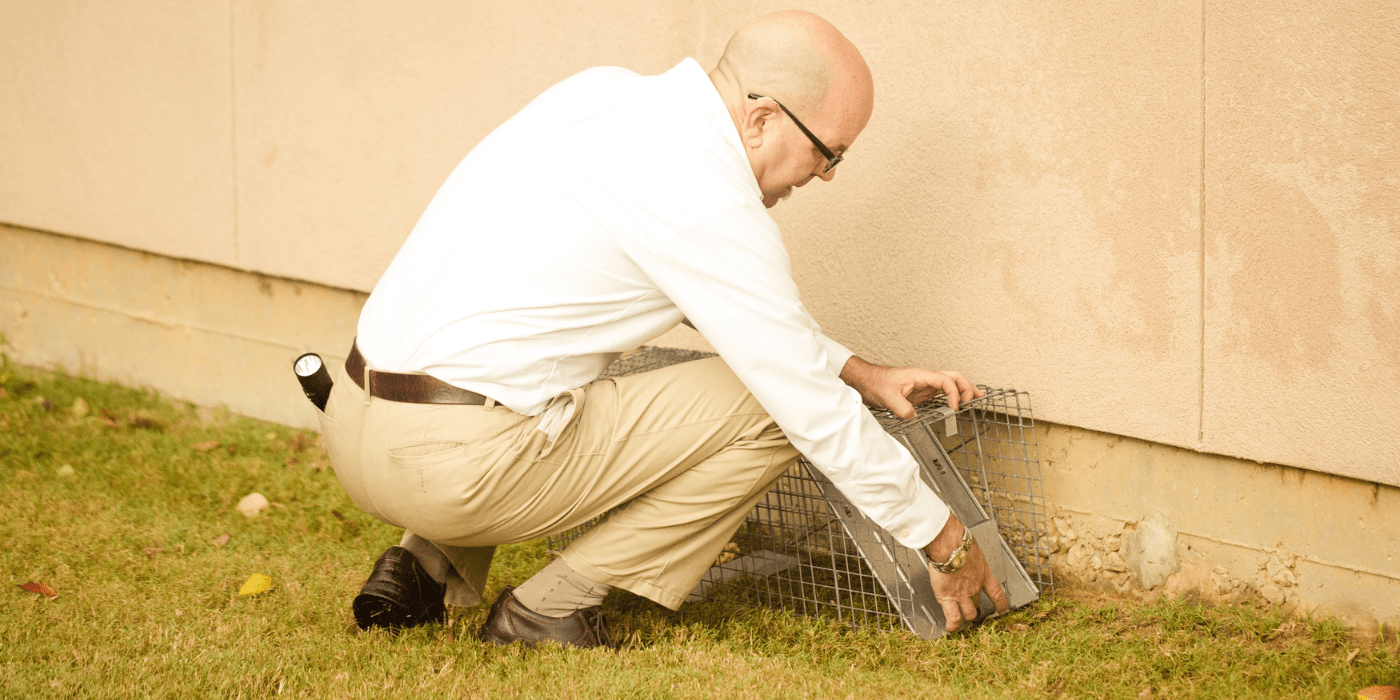
ABC is happy to help homeowners with any problem with rodents or other animals on residential properties. Our wildlife control specialists know exactly where these animals like to hide and can develop a comprehensive plan to remove them from your property and prevent them from gaining future entry into your home.
Our most common wildlife removals are for small animal pests:
- Rats
- Mice
- Bats
- Raccoons
- Opossums
- Squirrels
- Skunks
- Birds
An ABC small animal control specialist will determine where these creatures live and nest, then set traps to remove them from your property. When all these creatures are out of your attic, crawl spaces, garage, sheds, and living spaces, we will seal off entry points that wildlife could use to gain entry to your home in the future and set up barriers in areas that can not be sealed off, including vents and chimneys.
Signs of larger pests in and around your home
A large creature greeting you at your trash cans is scary, but the thought that these uninvited guests may have entered your home is more than enough to seek wildlife control services.
There are several signs a small animal or rodent has visited you:
- Droppings can vary in size from a grain of rice to a much larger size.
- Burrows or nesting sites could be in the dirt in and around your home, providing shelter for rodents.
Gnaw marks on wood, wires, and other household items. - Noises come from your attic, chimney, within your walls, or under your deck or patio.
- Overturned trash cans or damage to pet food or bird seed containers.
Wildlife removal technicians can advise you on how to make your property less attractive to animals. Advice may include:
- Bringing pet food and water bowls inside at night.
- Removing food and moisture sources in your outdoor spaces.
- Cutting back vegetation around your home’s perimeter can provide a refuge for unwelcome visitors.
If these signs seem familiar, contact us today for a free consultation.
The ABC Process

Step 1: Contact ABC
When you contact us, we will schedule an inspection to get an understanding of the problem. In some cases, we can give you a quote over the phone.

Step 2: Get An Estimate
If you have an inspection, we will send you a custom treatment plan and estimate afterward. Once we get your approval, we will schedule your treatment.

Step 3: Treatment
We will come to your property and treat for pests in common hiding and nesting areas. Over time, you will start seeing less and less pest activity.

Step 4: Prevention
Customers with our ongoing pest management services will receive periodic retreatments to prevent the return of the most common pests in our area.
If you have any type of pest control problem, get started on the path to a solution by contacting us for your free inspection. During the inspection, an ABC pest control expert will come to your property, learn more about your problem and conduct a thorough evaluation of your home and its surroundings.
After gathering information, along with having a better understanding of any needed repairs, they will present you with a no-obligation treatment plan. As soon as you approve the treatment plan, we can schedule your first appointment. We will work quickly to remove any pests, make any necessary repairs and get you back to enjoying your home, inside and out.
Get Started
We offer a full range of pest control services.
At ABC Home & Commercial Services, the well-being of your family and pets is our top priority. We work with our customers to develop effective treatments which minimize the use of chemicals, and our specialists apply treatments with the utmost concern for the safety of you, your children, and your pets. Customers can also request Material Safety Data Sheets on all the products we use. These documents provide detailed information about any potential risks.
Frequently Asked Questions
How soon can you come out?
We understand that once you see signs a mouse, rat or another pest has been on your property, you want to find a solution—fast. Give us a call and we will send a pest control expert to your home as soon as possible to inspect your property and recommend a course of action.
What does your rodent exclusion warranty cover?
ABC customers who sign up for our Rodent Exclusion service gain peace of mind knowing that our technicians will come back regularly to check traps. If you see a rat or mouse between these service calls, let us know. We will return to your property in between scheduled visits, at no additional cost to you.
Unfortunately, some properties are more susceptible to rodent re-infestations than others. For example, spaces between Spanish tiles make it easy for rodents to nest and find their way inside. Likewise, pier and beam structures are vulnerable to rodent activity because they have large crawl spaces underneath that can’t be completely sealed off. Since we cannot guarantee results in these cases, our traditional warranty does not extend to these types of properties. When we have our initial conversation with you about your rodent problem, we will go over the treatment plan we’d recommend to best meet your needs, given the unique characteristics of your property and your particular infestation.
How can I prevent a rodent or another type of wildlife from making my property its home?
It’s much easier to prevent rodents and other pests from entering your property than to deal with them once they are there. Homeowners can take the following preventative measures to help guard against these pests:
- Seal cracks, gaps and holes along your home’s exterior. Although it’s unlikely you have any spaces for raccoons to enter your home, keep in mind that mice can squeeze through holes the size of a nickel, while rats can find their way inside through gaps the size of a half dollar.
- Remove potential food sources. Make sure you seal pet or birdseed tightly and that your trash cans are closed securely. Inside your home, clean up spills quickly, keep your food stored in containers with lids and put your dishes in the dishwasher after you conclude your meals.
Make your yard less hospitable for pests. Keep your outdoor spaces neat and tidy by keeping up with mowing, pruning and trimming, so there are fewer places for these animals to hide. Keep wood piles away from your home and remove possible nesting sites, like old tires.

Get Started
We offer a full range of pest control services.
More Pest Control Solutions in Houston
Termite Control
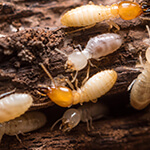
Termites can cause extensive damage to your biggest investment. We use scientifically proven termite control to eliminate the entire colony.
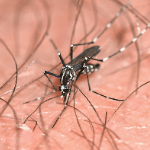
Mosquito Control
Mosquitoes can make spending time in your home and yard miserable. With our approach to mosquito control, you can feel comfortable again.
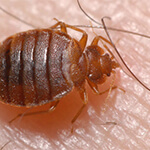
Bed Bug Exterminator
Bed bug problems can cause a huge emotional toll. We will create a custom treatment plan to resolve your infestation so you can rest easy again.
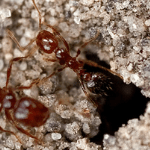
Ant Control
These tiny pests can cause large disruptions. We can identify the ant species you’re dealing with and create a custom treatment plan.
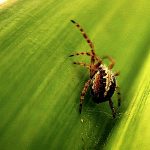
Spider Control
Seeing a spider is enough to send a shiver down your spine. We can create a custom treatment plan to reduce your likelihood of future run-ins.
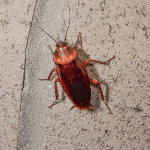
Cockroach Exterminator
Dealing with roaches can feel like a never-ending battle. We can create a custom cockroach control treatment plan that targets these pests so that you can have peace of mind.
Tick & Flea Control
Fleas can make you and your family members uncomfortably itchy and ticks can transmit disease. We can treat these parasitic pests.
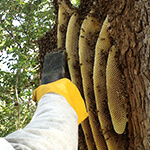
Wasp & Bee Removal
Stinging insects on your property can lead to painful bites or stings. We can remove, relocate or treat the hive based on your preferences.
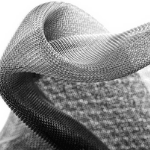
Pre-Construction Termite Control
We can protect new homes with Termimesh termite control. This product guarantees that homeowners will never have to worry about a termite problem.
What Our Customers Are Saying
Toni Covarrubias
12/8/2023
“So far the service we've been getting is as scheduled. However, this time I was not notified 30 minutes prior to arrival as originally told. The front looks great as usual. The backyard wasn't edged as nice as the front (or at all?), and I really would have appreciated deep edging around our firepit. Addendum 12/8/23: Changed 3 stars to 5 stars for follow-up service! After the above review, I was contacted by ABC in regards to my initial review. Anne was very courteous and eager to send someone out to follow up on my concerns. Arrangements were made that met my schedule, and the crew was very prompt in their arrival on said scheduled date. Our backyard is now 10 times better. Granted, there is still clean up to do on our part, but now it will be so much easier. Certainly worth the subscription price based on customer service alone! Photos depict final work first vs initial service.”
Dorothy Jiang
4/16/2024
“I hired ABC Lawn Care for my landscaping work and was offered a very reasonable price along with an impressive design by the manager, Eric. Eric demonstrated remarkable patience as he walked through my yard with me, crafting a plan that blended my personal needs with his professional expertise. Today, the landscaping team arrived and completed the project. The result was so outstanding that I had a lot of jaw-dropping moments. The work exceeded my expectations, which were already high based on what I anticipated from Polo, Marco, and Isaac. They went above and beyond what was requested to ensure my yard looked exceptional. Their true craftsmanship is evident. I highly recommend ABC Lawn Care to anyone in need of landscaping services.”
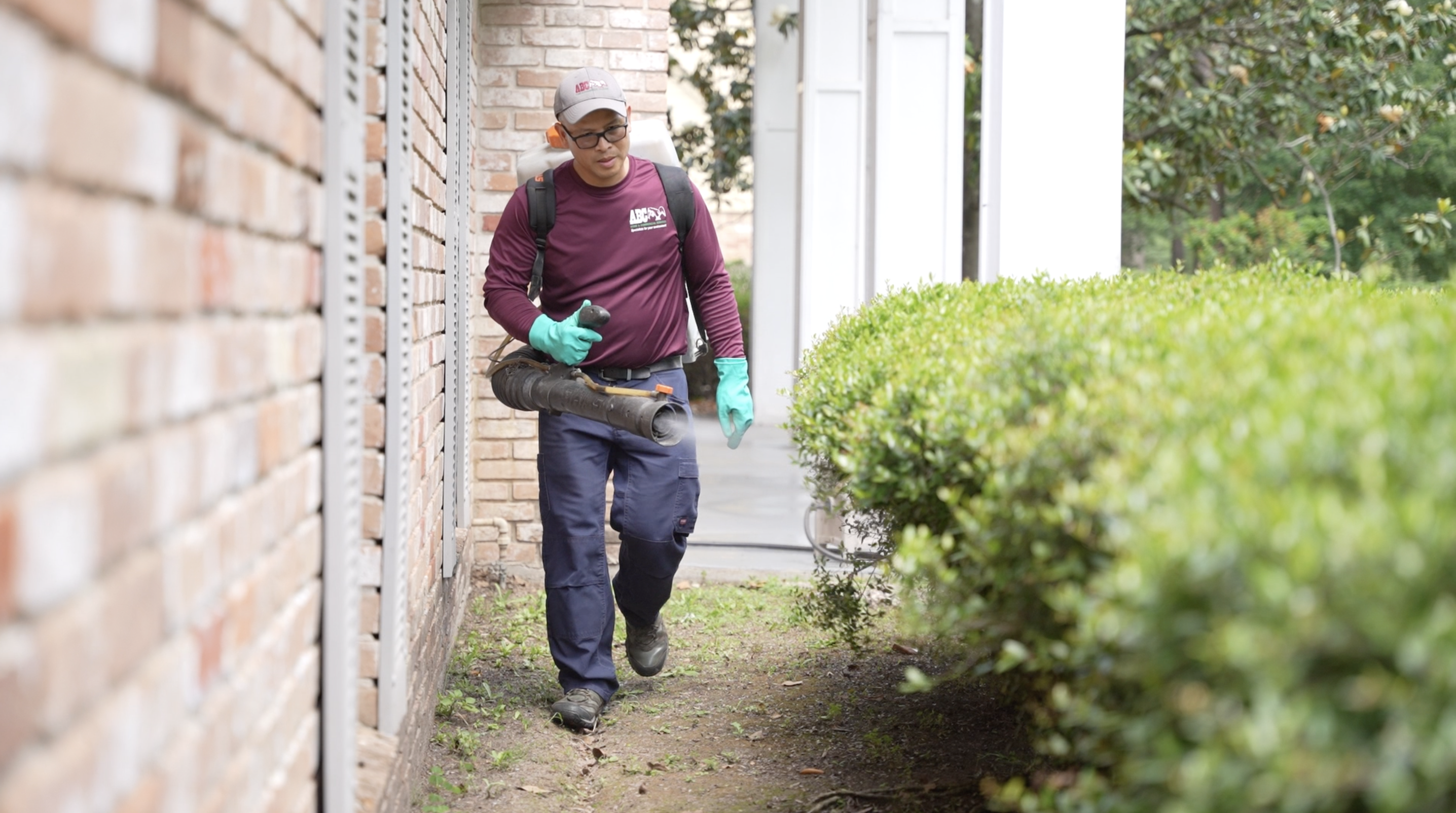
Navigating Mosquito Season: Insights and Strategies for Houston Residents
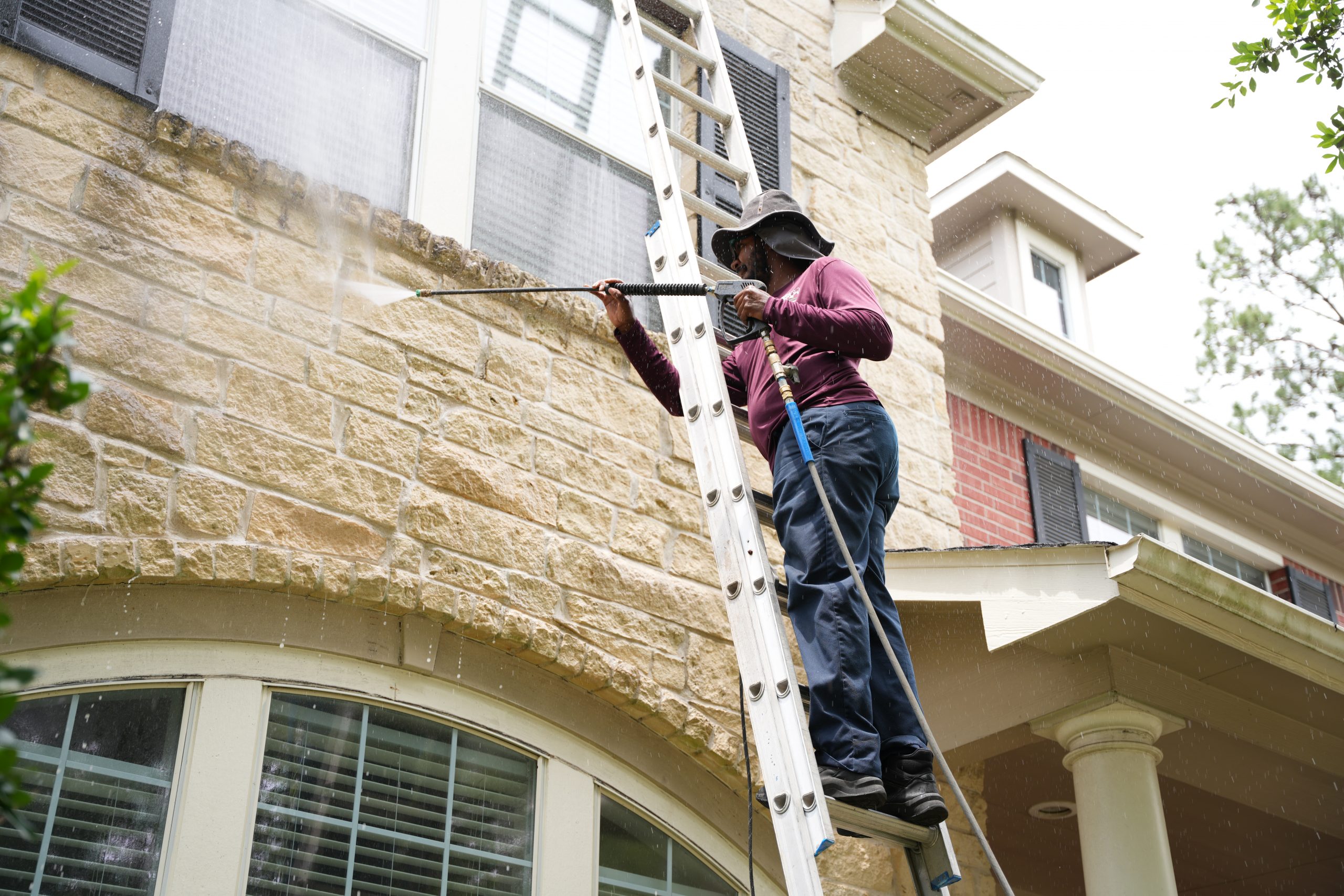
A Comprehensive Guide to Home Maintenance
Hello, Houston homeowners! Have you ever found yourself pondering the best ways to keep your abode shining, especially when the rain decides to make an appearance? Well, you’re in for a treat! T...
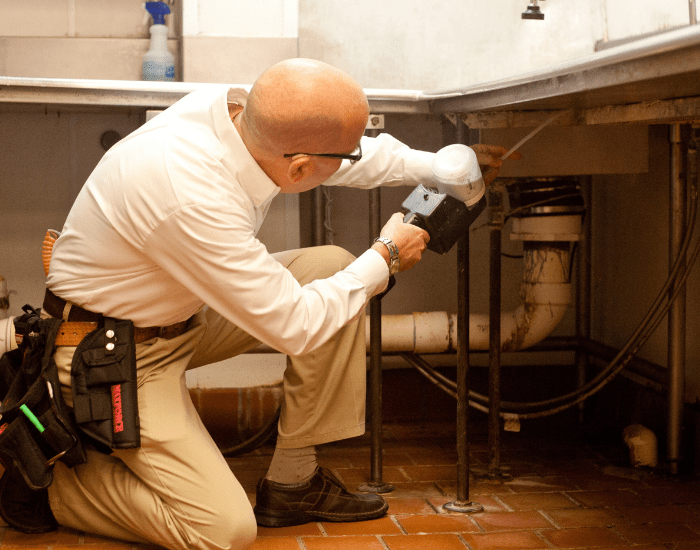
Need Pest Control For Your Business?
We understand that businesses have different needs than residences. That’s why we have specially trained technicians who can service your business.